








Top-rated lawn irrigation specialists.

Get matched with top lawn irrigation specialists in Elsmere, DE

Enter your zip and get matched with up to 5 pros

Find Lawn irrigation specialists in Elsmere

Mainline Irrigation Systems
5.0(
10
)
Lawn and Garden Sprinkler System - InstallLawn and Garden Sprinkler System - Install - For BusinessLawn and Garden Sprinkler System - Repair+2 more

Serving Elsmere, DE and surrounding areas

In business since 2005

Free estimates

Warranties offered

"Brian was great. I thought I had some buried sprinkler heads that weren't popping up but it turns out the water line had been punctured. He quickly isolated the leak and fixed it. He then found the sprinkler heads, determined that they were not right for that area of my lawn, and replaced all 5 with what he had with him. He will be returning in a couple days with the best option. He finished in less than 90 minutes and his price was very reasonable. I plan on using Mainline Irrigation for all my future sprinkler needs and have asked Brian to provide an estimate on a drainage job. I would definitely recommend him."
new castle delaware
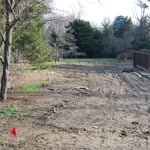
back yard of system
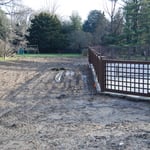
drip vegtible garden
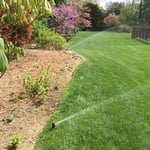
main flower garden
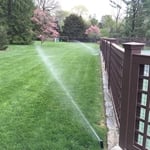
FRONT

+38

Recommended by100%of homeowners

Avatar for Brison Landscaping
Brison Landscaping
4.7(
199
)
Lawn and Garden Sprinkler System - InstallLawn and Garden Sprinkler System - Install - For BusinessLawn and Garden Sprinkler System - Repair+2 more

Serving Elsmere, DE and surrounding areas

In business since 1998

Free estimates

Credit card accepted

"The guys from Brison (3 of them) exceeded my requirements, not only did they level the lawn, they removed all the vines from the house, fence and trees as well as mowing the backyard and bagged and removed ALL the debris. I give them my highest recommendation and my greatest thanks."
Recommended by89%of homeowners

Showing 1-10 of 48
Lawn Irrigation questions, answered by experts

Too much clover in your lawn can indicate several issues with your soil. Clover can thrive in soils with abnormally high pH, low-cut grass, and low nitrogen. Amending these issues can push clover out for good.

Hardy perennial clover loves the low nitrogen and compact conditions that often come with poor, infertile soils. But other factors also contribute to a clover explosion, including drought conditions, cool temperatures, under fertilization, and over-irrigation. You’ll need to evaluate all these elements when planning to kill off the clover.

Depending on the lawn treatments, the best times of the year to redo your lawn are between mid-August and mid-September for overseeding and renovation treatments. For areas such as the southern United States, lawn aeration works best during the fall, when the temperatures begin to drop. Otherwise, early spring is your next best bet because the grass is fresh and ready to absorb nutrients, and the temperature isn’t hot enough to fry the grass and the renovation materials.

Power seeding and aeration are both excellent ways to improve lawn health, but they serve different functions. Aeration focuses on improving soil health by creating channels that allow more water, oxygen, and carbon dioxide to reach the roots. In contrast, power seeding is a method of planting grass seeds, often by creating narrow trenches in the soil. One service isn't better than the other; they are complementary. It is beneficial to aerate your lawn before power seeding, as this makes the seeding more effective by helping the germinating seeds access the resources they need. It's a good practice to aerate your lawn once or twice a year, regardless of whether you plan to power seed.

First, you should figure out whether you have dormant or dead grass. Dead grass won’t come back, so you’ll have to reseed if you’re hoping for a lush lawn. However, grass can go dormant if it hasn’t received enough water or if temperatures are too cold. If it’s still decently warm outside, you can revive dormant grass by watering it. But if it’s mid-January in New England, for example, you’ll need to wait until the weather warms up again. If you want to keep grass green in winter, consider a grass like Kentucky bluegrass, which maintains its color year-round.

If maintained correctly, natural grass should last between five and 15 years, or up to several decades, depending on your home’s climate conditions. You can extend your grass’ lifespan by treating it well, including regular mowing, weeding, watering, and preventative pest control. Consider hiring a local lawn care service to provide everything your grass needs to live a long, healthy life.

The Elsmere, DE homeowners’ guide to lawn irrigation services

From average costs to expert advice, get all the answers you need to get your job done.