



Top-rated arborists.

Get matched with top arborists in Stonington, CT

Enter your zip and get matched with up to 5 pros

Need a pro for your arboricultural service project in Stonington, CT?

Select your specific project to find the pro for you.

TRUSTED BY STONINGTON, CT HOMEOWNERS

  • Average homeowner rating star icon4.6
    Average homeowner rating
  • Verified reviews icon449
    Verified arboricultural services reviews

Find Arborists in Stonington

Avatar for Dynamic tree works
Dynamic tree works
4.6(
23
)
Tree RemovalTree Removal - For Business

Serving Stonington, CT and surrounding areas

Approved

In business since 2024

Free estimates

Emergency services offered

"They were great guys. They called me back within minutes and then showed up and did the job 2 hours after I made the call. They clean up everything great and did the job super safe. I would highly recommended them for any tree service you need"
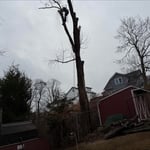
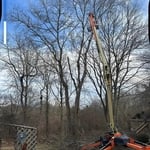
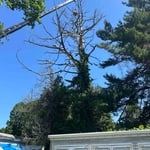
Tree removal
Tree removal
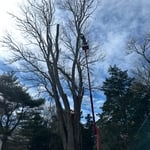
Tree removal crane day
Full removal
30 neighbors recently requested a quote
Recommended by60%of homeowners
Divine Edges Landscaping
New to Angi
Tree RemovalTree Stump - Remove

Serving Stonington, CT and surrounding areas

Approved

Hello, my name is Karlos Rivera, owner of Divine Edges Landscaping. We provide reliable lawn care services with a focus on professional mowing and general yard maintenance for residential and commercial properties.\n\nWe take pride in delivering consistent, clean results with attention to detail. Our goal is to keep your lawn looking neat, healthy, and well-maintained throughout the season.\n\nWe value punctuality, clear communication, and quality work on every visit. Each property is treated with care, and we make sure the job is done right from start to finish.\n\nCustomer satisfaction is important to us, and we aim to build long-term relationships through dependable service you can trust.\n\nThank you for considering Divine Edges Landscaping. We look forward to serving you.

...
Showing 1-10 of 71
Arborists questions, answered by experts

A tree growing close to a house can pose several risks, but removal isn't always the only or best solution. Potential problems include roots growing into the foundation and causing structural cracks, branches damaging the roof or promoting moss growth, and debris clogging gutters, which can lead to water damage. Trees can also provide access for pests and encourage mold. However, a small, healthy tree may not be a problem, and for larger, established trees, strategic trimming can be a cheaper and more beneficial alternative to removal. It is generally recommended to take action for trees within 10 to 20 feet of your home, especially if they are unhealthy or encroaching. Your best bet is to consult a professional arborist who can assess the specific situation and provide expert advice.

You’ll want to have your palm trees trimmed during the spring, ideally in May, before hurricane season sets in, which generally takes place during the late summer. Palm trees grow fastest over the summer months. You’ll also want to trim your palm trees when you notice:

  • Brown fronds 

  • Dry leaves

  • Flower pods

  • Fruit

  • Fronds overgrown in power lines

  • Frond encroaching upon your neighbor’s home or yard 

  • Visible damage from a storm

The shepherd’s tree, native to the Kalahari Desert in Africa, holds the record for the deepest known tree roots at over 230 feet deep. Some African communities refer to it as the “Tree of Life” since it provides food, shade, and medicinal properties to the surrounding community.

Palm trees are unique in that their roots don't grow straight down; they grow horizontally. Typically, palm tree roots go down between 12 and 36 inches deep. The roots grow far and wide from the base of the palm tree to absorb as much water and soil nutrients as possible. In addition, the horizontal roots are also very strong—keeping palm trees stable and helping them sway during storms.

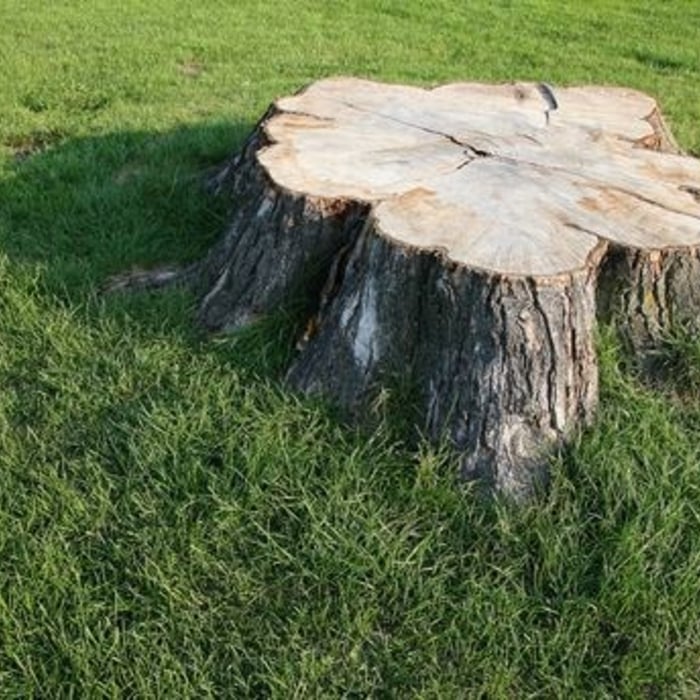
It is possible to burn out a tree stump if it is dried out and in an area of your property with a large buffer. Drill holes in the stump and dig around the base so it burns more easily. Then, build a small campfire on top using kindling and firewood. You’ll need enough to keep the fire going for many hours to completely burn out the stump, especially if it’s large. 

Monitor the fire closely to ensure it doesn’t spread, and have a hose on hand if it starts to get out of control. When the fire is out, break apart the burned stump and dig out what’s left of it.  

If this sounds like a good option, learn more about how to burn a tree stump before attempting it, as it does come with risks.

The Stonington, CT homeowners’ guide to arboricultural services

From average costs to expert advice, get all the answers you need to get your job done.