







Top-rated arborists.

Get matched with top arborists in Bradford, RI

Enter your zip and get matched with up to 5 pros

Need a pro for your arboricultural service project in Bradford, RI?

Select your specific project to find the pro for you.

TRUSTED BY BRADFORD, RI HOMEOWNERS

  • Average homeowner rating star icon4.6
    Average homeowner rating
  • Verified reviews icon253
    Verified arboricultural services reviews

Find Arborists in Bradford

Avatar for SID Professional Tree Service LLC
SID Professional Tree Service LLC
5.0(
61
)
Tree RemovalTree TrimmingTree Removal - For Business+2 more

Serving Bradford, RI and surrounding areas

Approved

Super Service Award Winner

In business since 2011

Free estimates

Emergency services offered

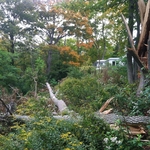
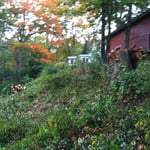
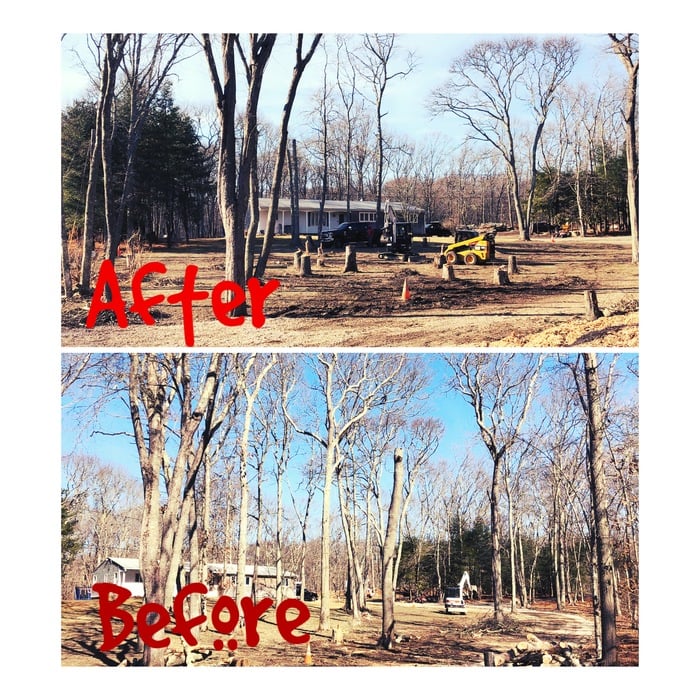
"I had an amazing experience with this company and I recommend their service. They got here on time, took down three tall trees, cut them into small pieces, organized them in the corner of my yard and also left my yard clean. Besides that they have a good price and they are fast."
Response time3 hrs
Response rate100%
20 neighbors recently requested a quote
Showing 1-10 of 48
Arborists questions, answered by experts

Yes, it’s okay to trim low branches on a tree, also known as limbing up or raising the crown. Essentially, you’ll trim the lower third of the tree (trunk) and leave the upper two-thirds of the tree (crown). Arborists recommend trimming 20% of a tree’s leaves per season for two to three seasons. Trimming low branches allows light to flow through the tree, increasing circulation and making the tree stronger and healthier.

Peach trees grow to be about 25 feet, so keep this in mind for pruning as well. If you plan to DIY, you’ll need to be comfortable working on a ladder. Without pruning, peach tree branches can sprawl nearly as wide as the tree grows tall, so make sure to plan pruning sessions at least once per year in the spring for controlled growth. And if you’re working on a ladder, be sure to follow all safety precautions, especially if you’ll be dealing with falling branches.

The recovery time for pruning depends on how much you prune, the species of tree, and how well you care for it afterward. All trees grow new wood and often sprout additional branches after pruning. Ideally, trees should recover from normal pruning after one or two years. Heavy pruning or slow-growing trees may take several years to fully recover.

It’s not as common for Dutch elm disease to affect other types of trees, especially if the surrounding trees aren’t elms. However, it is possible for DED to spread to other trees, particularly in northern states, like Minnesota. In fact, it’s a good idea to use geography to identify wood and determine which types of trees are in your yard. 

Unfortunately, the complex and shallow root system of elm trees makes surrounding elm trees particularly vulnerable to DED. Early discovery is key!

It depends on where you live—but in most areas, leaves begin falling in September and continue falling until January or February. Warmer regions, such as Southern states, may see leaves fall a bit later in the calendar year. It also depends on the type of trees in your yard and their maturity. 

The Bradford, RI homeowners’ guide to arboricultural services

From average costs to expert advice, get all the answers you need to get your job done.