






Top-rated arborists.

Get matched with top arborists in Richmond, RI

Enter your zip and get matched with up to 5 pros

Need a pro for your arboricultural service project in Richmond, RI?

Select your specific project to find the pro for you.

TRUSTED BY RICHMOND, RI HOMEOWNERS

  • Average homeowner rating star icon4.7
    Average homeowner rating
  • Verified reviews icon182
    Verified arboricultural services reviews

Find Arborists in Richmond

Avatar for SID Professional Tree Service LLC
SID Professional Tree Service LLC
5.0(
61
)
Tree RemovalTree TrimmingTree Stump - Remove+2 more

Serving Richmond, RI and surrounding areas

Approved

Super Service Award Winner

In business since 2011

Free estimates

Emergency services offered

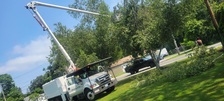
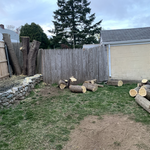
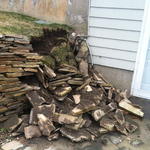
"I had an amazing experience with this company and I recommend their service. They got here on time, took down three tall trees, cut them into small pieces, organized them in the corner of my yard and also left my yard clean. Besides that they have a good price and they are fast."
Response time3 hrs
Response rate100%
32 neighbors recently requested a quote
...
Showing 1-10 of 69
Arborists questions, answered by experts

Absolutely. These steps are significantly easier, too, especially when it comes to preserving the root ball and moving the palm tree. However, you will want to make sure the tree has plenty of fertilizer to establish itself and start growing. Supports may also be more important, as it can take extra time for a potted palm to spread out its roots. If you are transferring a palm to another pot, you’ll want to move up a size or two to a larger pot. Make sure the pot has excellent drainage to keep the palm from getting waterlogged.

There are many signs that a tree is diseased or dying, and if you suspect that’s the case, you should call an arborist immediately. You might notice rot or fungus on the trunk or that the tree is beginning to lean to one side. Brittle branches or signs of root damage are other indicators that a tree is in trouble. If the tree is dying, it might be time to cut the tree down so it doesn’t fall.

In most cases, you should not use a pruning seal on trees after trimming. Applying a sealant can interfere with the tree's natural healing process, and it does not guarantee protection from pathogens. Instead of sealing the cut, the best practice is to support the tree's natural recovery by providing it with plenty of water and a dormant-style fertilizer. However, there are exceptions. Pruning seals may be recommended for very vulnerable species, like elm trees, in areas where dangerous diseases such as Dutch elm disease are prevalent. In these specific situations, the protection offered by a sealant can outweigh its downsides. For advice tailored to your situation, especially after cutting large branches, it is best to consult a local tree trimming professional.

While it’s best to have access to large, healthy, strong trees in a safe position, treehouse living is still possible without them. Contractors can fit tree posts to build the structure onto or use posts as additional support alongside the trees themselves. If you’re in doubt about the suitability of the trees on your land, consult with a local treehouse builder before you start the project.

Most plum trees are pruned into a vase or open wine glass shape. They’ll have a shorter central leader (the trunk) that supports three to four main branches. Of course, this isn't always the case. If you have a European plum tree, you can grow it in a pyramid shape. Let the central leader extend the length of the tree and prune smaller branches to create the pyramid.
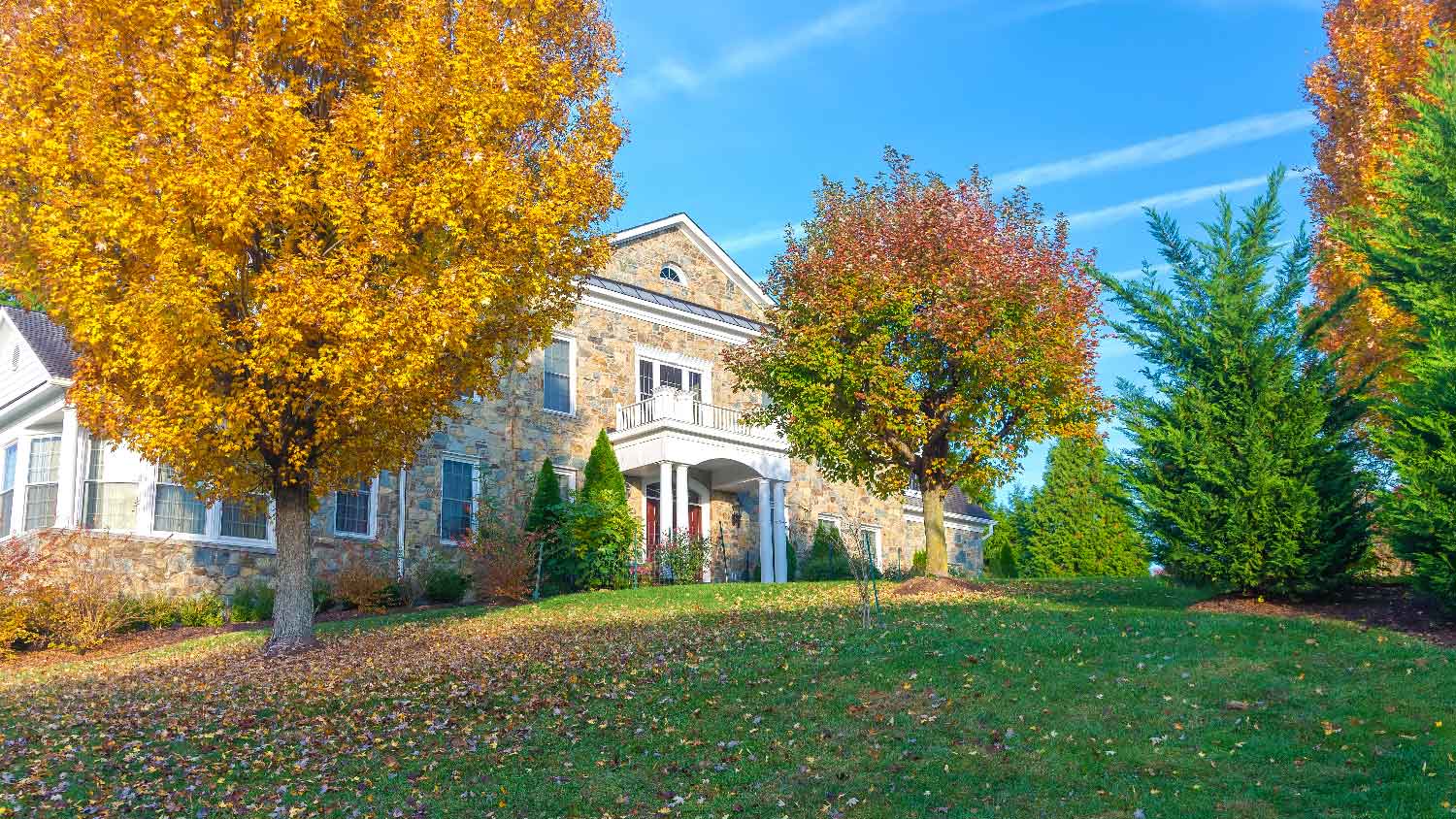
The Richmond, RI homeowners’ guide to arboricultural services

From average costs to expert advice, get all the answers you need to get your job done.