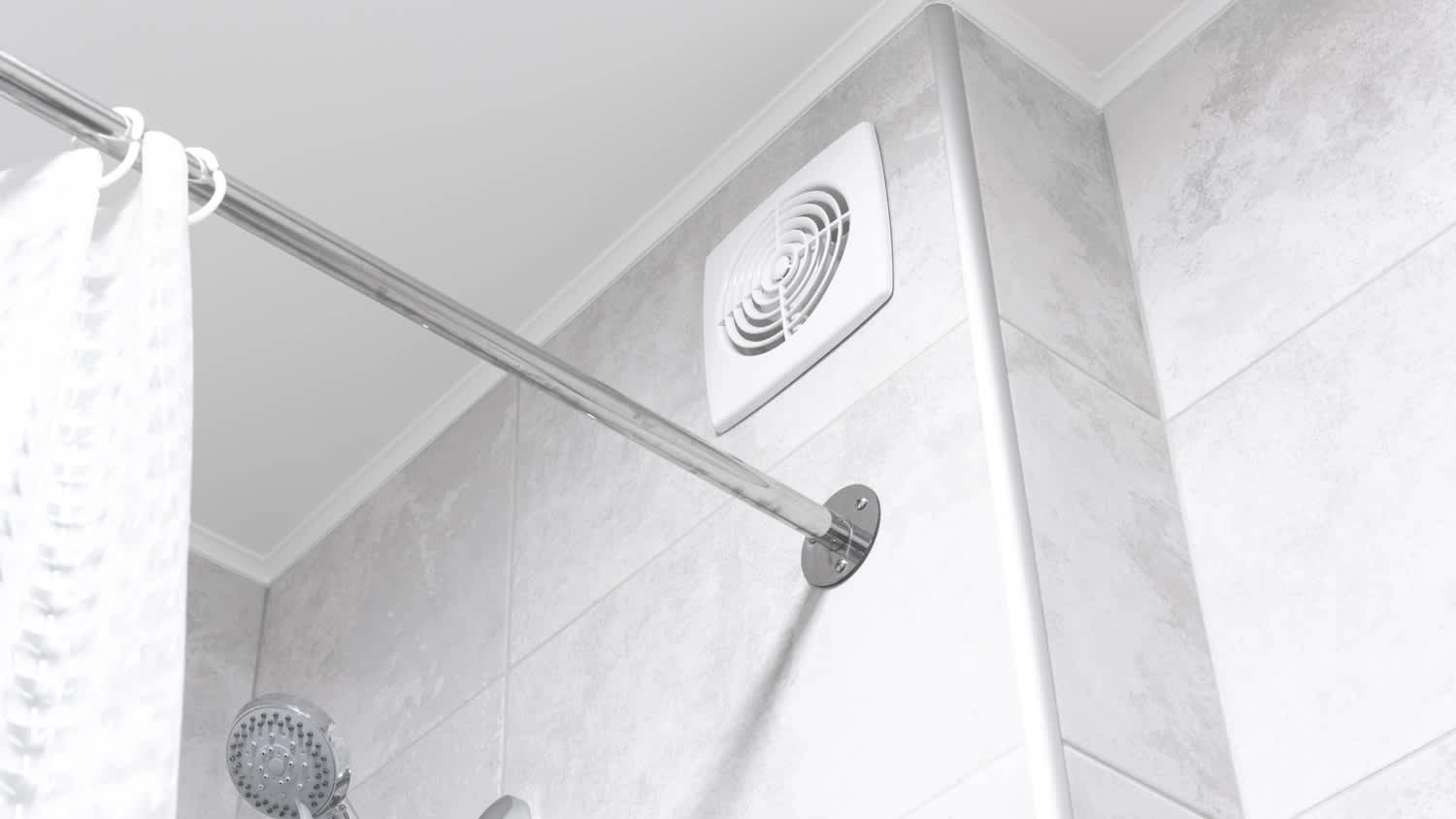







Top-rated bathroom fan installation pros.

Best bathroom fan installation pros near Morris, CT

Enter your zip and get matched with up to 5 pros

Need a pro for your bathroom fan installation project in Morris, CT?

Select your specific project to find the pro for you.

TRUSTED BY MORRIS, CT HOMEOWNERS

  • Average homeowner rating star icon4.7
    Average homeowner rating
  • Verified reviews icon291
    Verified bathroom fan installations reviews

Top-Rated Bathroom fan installation pros in Morris - Updated Nov 2026

Avatar for Connoles Electric, LLC
Connoles Electric, LLC
4.8(
82
)
Bath Exhaust Fan - Install

Serving Morris, CT and surrounding areas

Approved

In business since 1984

Free estimates

Credit card accepted

"Ted and Robert arrived, got right t to it and within a few hours we had 2 ceiling fans installed, one which had no existing light so it was a more involved project. They were professional and stuck to their original quote! To say we are impressed is an understatement. We strongly recommend using Connole Electric."
4 neighbors recently requested a quote
Recommended by98%of homeowners

...
Showing 1-10 of 91
Bathroom Fan Installation FAQs, answered by experts

On average, a bathroom fan lasts between five and ten years. The fan's lifespan depends on its quality, installation, and frequency of use. You can extend its life with regular cleaning and by promptly addressing any issues. Common signs that you need a new fan include mold growth, a burning smell, unusually loud noises during operation, or lingering odors in the bathroom. If your fan is no longer working as well as it once did, consider replacing it. The cost to install a new bathroom fan is typically between $240 and $550.

To convert a ceiling fan to wireless, you’ll need to install a canopy module to access the lighting and fan controls. Many options are available, all of which help you control specific elements of your ceiling fan, so you have plenty of choices depending on your needs.

There are many types of ceiling fans available, each designed for different spaces and needs. Standard ceiling fans are the most common type and work well in most rooms. Low-profile ceiling fans are better suited for rooms with low ceilings. Smart ceiling fans can be controlled with a smartphone or voice commands. For larger spaces with ceilings between 10 and 25 feet high, large ceiling fans are ideal. Dual-motor fans have two motors to produce more airflow in multiple directions. You can also find energy-efficient or Energy-Star models that can be up to 60% more efficient, as well as fans with built-in lights or retractable blades.

You can easily clean an electric fan by wiping it with a damp cloth, all-purpose cleaner, or mild detergent. Ensure the fan is not plugged in or turned on while you’re cleaning it. Also, try to keep liquids out of the motor, which can lead to damage.

You should generally avoid using WD-40 on a ceiling fan. While it might quiet a squeak temporarily, it is primarily an anti-corrosion and water displacement agent, not a true lubricant, and can damage the fan's components over time. Most modern ceiling fans have sealed bearings and do not require oiling, so a squeak may indicate another issue. For fans that do require lubrication, it is better to use a light machine oil, 30-weight motor oil, or a lubricant specifically designed for ceiling fans.

The Morris, CT homeowners’ guide to bathroom fan installations

From average costs to expert advice, get all the answers you need to get your job done.