





Top-rated electricians.

Get matched with top electricians in Lakeville, CT

Enter your zip and get matched with up to 5 pros

Need a pro for your electrical service project in Lakeville, CT?

Select your specific project to find the pro for you.

TRUSTED BY LAKEVILLE, CT HOMEOWNERS

  • Average homeowner rating star icon4.7
    Average homeowner rating
  • Verified reviews icon40
    Verified electrical services reviews

Find Electricians in Lakeville

Avatar for Anchor Electric Motor, LLC
Anchor Electric Motor, LLC
4.7(
46
)
Portable Generator - Repair

Serving Lakeville, CT and surrounding areas

Approved

In business since 1950

Free estimates

Credit card accepted

"Nate the repair tech from anchor electric is very professional, knowledgeable, great personality. He came out picked up my equipment.Fixed it and dropped it off the next day. Charged me less than what he quoted me. He did a GREAT JOB. Highly recommend Anchor Electric...A+++++! 5 STARS. Thank You"
Response time1 day
Recommended by95%of homeowners
Avatar for Firemans Services LLC
Firemans Services LLC
5.0(
4
)
Portable Generator - Repair

Serving Lakeville, CT and surrounding areas

Approved

Free estimates

Emergency services offered

Warranties offered

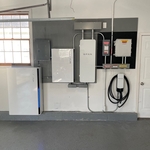
Firemans Services LLC is a trusted, locally owned electrical contracting company dedicated to delivering safe, reliable, and high-quality electrical solutions. We specialize in residential and light commercial work, including service upgrades, panel replacements, generator installations, and custom electrical projects.\n\nWith a strong commitment to craftsmanship and customer satisfaction, our team takes pride in doing the job right the first time—on schedule and within budget. Whether you need a full service upgrade, backup power solutions, or everyday electrical repairs, Firemans Services LLC is your dependable choice for professional service you can count on.

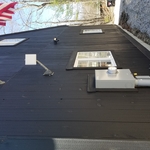
Meter
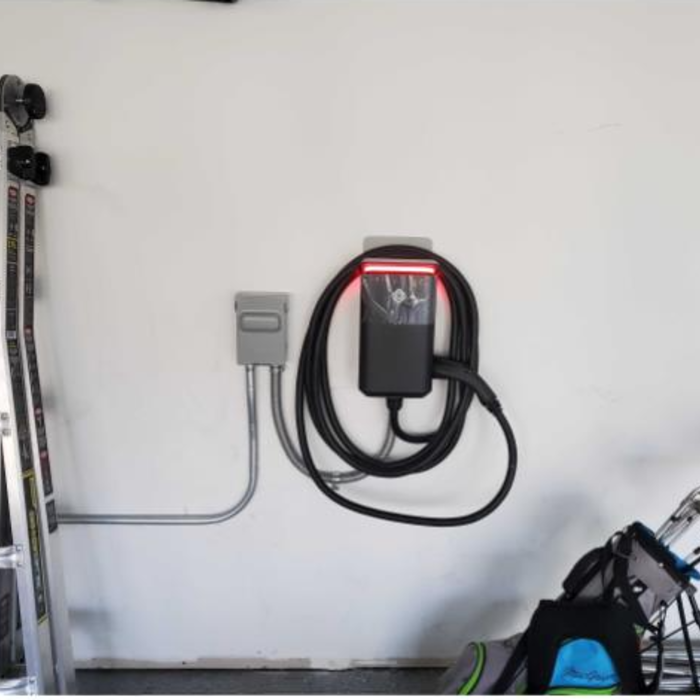
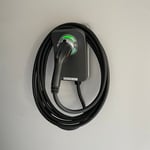
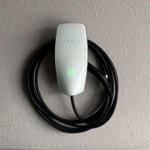
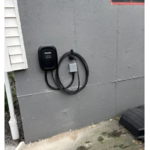
Tesla Charger
Avatar for W B Lightning Rods
W B Lightning Rods
4.6(
372
)
Lightning Protection - Install or Repair

Serving Lakeville, CT and surrounding areas

Approved

In business since 2001

Free estimates

Warranties offered

"WB Lightning Rods did an excellent job installing lightening rods on our home. The owner stayed onsite the entire time to supervise the work. He took extra care to plan the rod and cable placement to ensure the proper protection and retain the aesthetics of our home. His crew were knowledgeable, polite, neat and efficient. We could not be more pleased with the results."
lightning protection
 Residential LPS
lightning protection
 Residential LPS
lightning protection

+79

Response time1 day
166 neighbors recently requested a quote
Recommended by96%of homeowners
...
Showing 1-10 of 112
Electrical questions, answered by experts

Regular inspections, avoiding circuit overloads, and updating wiring when needed help maintain efficiency.

How far you can run underground electric depends on the wire gauge (generally AWG) and the circuit voltage. Too much voltage drop in an electrical circuit can negatively affect performance, so the smaller the voltage drop, the better. Ideally, it shouldn't exceed 3%. The smaller the wire and the longer the run, the more significant the voltage drop. 

For example, with a 120-volt circuit, you can run 60 feet of 12 AWG cable without losing more than 3% voltage. With a 240-volt circuit, you can run 120 feet of 12 AWG wire while maintaining a voltage drop of 3% or less.

Yes, dehumidifiers use a lot of electricity. However, proper humidity also means your home’s temperature remains more stable, thus lowering heating and air conditioning bills. The good news is you shouldn’t need to use a dehumidifier more than a few months per year, so the energy costs won’t be as noticeable as other larger appliances.

Electrical fixes are best handled by a licensed electrician, but it’s possible to release a wire connection on your own. Be sure to always turn off the power to the outlet at the circuit breaker before beginning your project to avoid electric shock. Carefully insert the tip of a flat screwdriver into the rectangular hole beneath the wire. Hold the outlet in the palm of your other hand. Pull out the wire as you apply pressure with the screwdriver.

Technically, an outdoor outlet can be on the same circuit as an indoor outlet, but it's generally not recommended. Outdoor outlets should ideally be on a dedicated circuit that doesn't share power with other indoor or outdoor outlets. This helps ensure that the outdoor outlets are able to handle the additional electrical load without overloading the circuit. Additionally, outdoor outlets are often exposed to the elements, which can increase the risk of electrical shock and other hazards. If you must have an outdoor outlet on the same circuit as an indoor outlet, be sure that the circuit has the capacity to handle the additional load.

The Lakeville, CT homeowners’ guide to electrical services

From average costs to expert advice, get all the answers you need to get your job done.