




Top-rated drywall pros.

Get matched with top drywall pros in Dayville, CT

Enter your zip and get matched with up to 5 pros

Need a pro for your drywall service project in Dayville, CT?

Select your specific project to find the pro for you.

TRUSTED BY DAYVILLE, CT HOMEOWNERS

  • Average homeowner rating star icon4.7
    Average homeowner rating
  • Verified reviews icon15
    Verified drywall services reviews

Find Drywall pros in Dayville

Avatar for Burnett  Drywall Services
Burnett Drywall Services
4.9(
67
)
Drywall - Repair

Serving Dayville, CT and surrounding areas

Approved

In business since 1985

Free estimates

Customers say: Quick response

"Frank, Tom and Eddy took pride in their work and did an excellent job of repairing taping issues in my house. They also did a great job of removing and replacing my popcorn ceiling. They were neat and finished the job in a timely fashion. I would definitely recommend them for any drywall work."
Response time10 hrs
Response rate88%
6 neighbors recently requested a quote
Sonart Construction Corp.
2.3(
7
)
Drywall - InstallDrywall - Install - For BusinessDrywall - Repair+1 more

Serving Dayville, CT and surrounding areas

Approved

In business since 2013

Free estimates

Credit card accepted

Sonart Construction Corp. has over15 years of experience in providing a variety of exterior and interior renovation services. We provide services to Palm Beach, Broward and Miami-Dade Counties.. We specialize in Bathroom Remodeling, Kitchen Remodeling, Flooring and the list goes on. Customer satisfaction is what determines our success, which is why we take a hands-on approach and keep the customer informed through every phase of the project. When interacting with our company, you'll notice that we're particularly focused on the principles of quality workmanship, timely completion, competitive pricing, and integrity in all our business dealings. We combine knowledge and research with our extensive practical experience to ensure a specialized approach for your renovation needs. Give us a call today!

...
Showing 1-10 of 84
Drywall questions, answered by experts

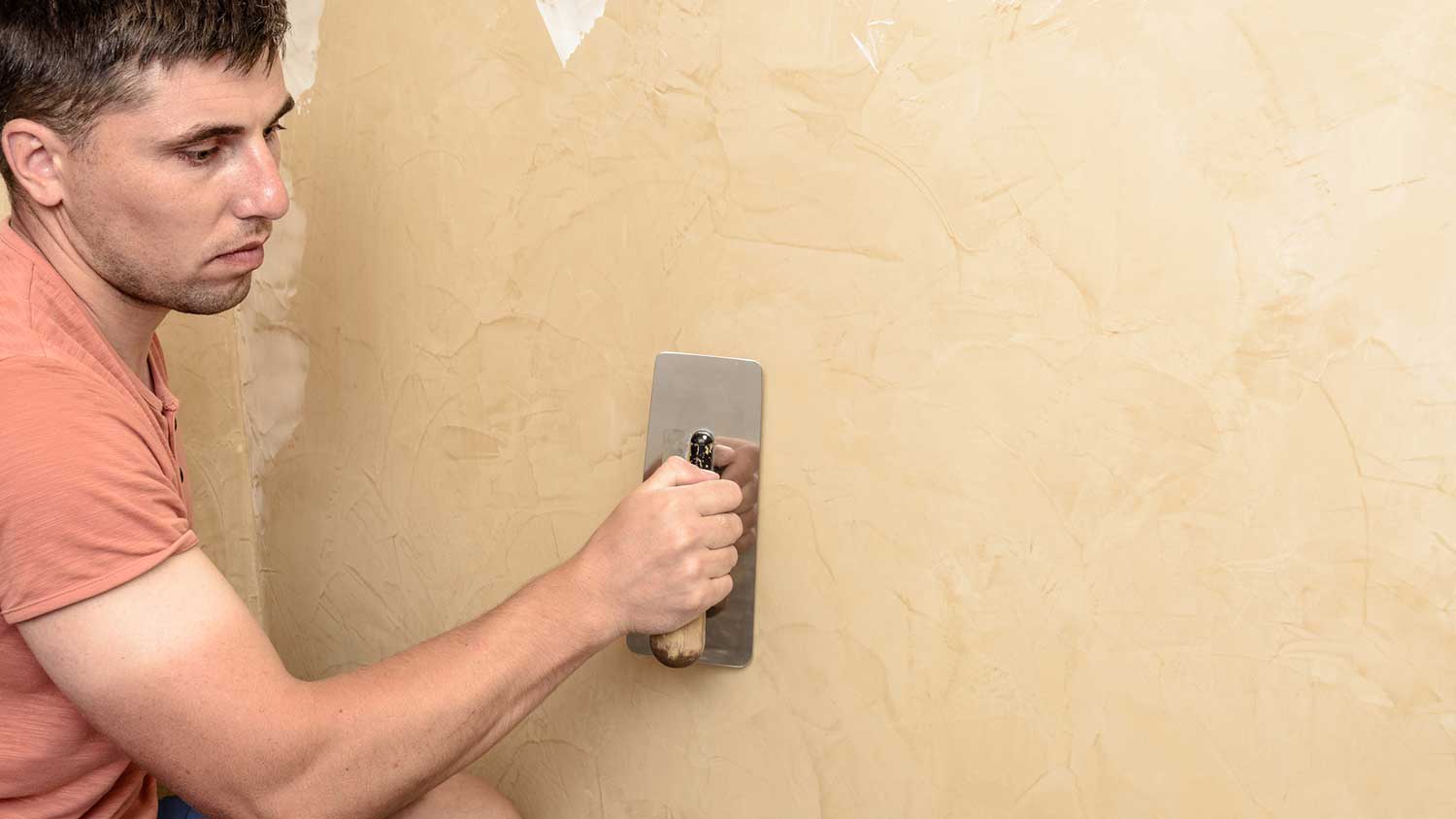
Plaster is a beautiful finish but is labor-intensive to install and remove. It’s vulnerable to cracking and more sensitive to moisture variance than drywall. Installing plaster on a new wall is an expensive process that can take days to weeks, depending on the scope. Removing a plaster wall can also be quite expensive and time-consuming.

You’ll get better results if you soundproof the whole wall. A hole through which light can pass can also let sound waves in. Acoustical or silicone sealant applied to holes and cracks can block enough sound to make a difference. However, the more layers absorb vibrations and slow or stop sound waves, the less noise you’ll have. 

While fumigation chemicals cannot pass through solid objects, they will seep into any openings in walls, doors, or other closed spaces. This allows them to get into tight places where pests may be hiding and causing damage, like termites ruining the foundation of your home. It also means that your home needs to ventilate for 48 hours before returning to ensure that no harmful chemicals remain in your space. 

Although they have similar applications, spackle and joint compound are not the same. Their primary differences lie in their composition, consistency, and ideal use cases.

Spackle is composed of gypsum and binding agents, making it thicker than joint compound. It dries quickly and is easy to sand, which makes it ideal for small wall repair projects like filling nail holes or patching minor damage.

Joint compound, also known as drywall mud, consists of limestone and gypsum. It is primarily used for large-scale projects, such as taping and finishing the seams on newly installed drywall. It tends to shrink more than spackle and can be more difficult to spread.

While both products can be used to fill small depressions and cracks, spackle cannot replace joint compound for taping and mudding new drywall. Conversely, you can often use joint compound for small patching jobs typically done with spackle.

There are several benefits to wet-sanding drywall, but the main perk is that it produces far less dust than dry-sanding. As a result, wet-sanding poses fewer health risks and makes less of a mess in your home. Plus, damp sponges are less abrasive than sandpaper, so there’s a smaller chance of scratching or damaging the drywall paper. Wet-sanding also creates a smoother finish than dry-sanding.

The Dayville, CT homeowners’ guide to drywall services

From average costs to expert advice, get all the answers you need to get your job done.