

Top-rated excavation pros.

Best excavation pros near Saguache, CO

Enter your zip and get matched with up to 5 pros

Need a pro for your excavation project in Saguache, CO?

Select your specific project to find the pro for you.

Top-Rated Excavation pros in Saguache - Updated Nov 2026

Avatar for Don Reboul Construction Company
Don Reboul Construction Company
3.3(
7
)
Building Site - Preparation and ClearingBuilding Site - Preparation and Clearing - For BusinessExcavation - Major Grading or Resloping+2 more

Serving Saguache, CO and surrounding areas

In business since 1999

Free estimates

"These guys did an amazing job. Their work ethic is out of this world. Even when it came time for the cleanup they did not miss a beat. No nails or any debris let anywhere. I am talking about on the driveway, grass, yard, or even our neighbors yards. They were that thorough. I would give them a 10 out 10. These guys were very professional. I would recommend this company to all my friends and neighbors. Don was great to work with and I am referring him to all our friends and neighbors. 5 star rating!"
Additional Photos
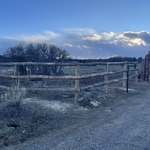
Additional Photos
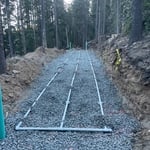
Additional Photos
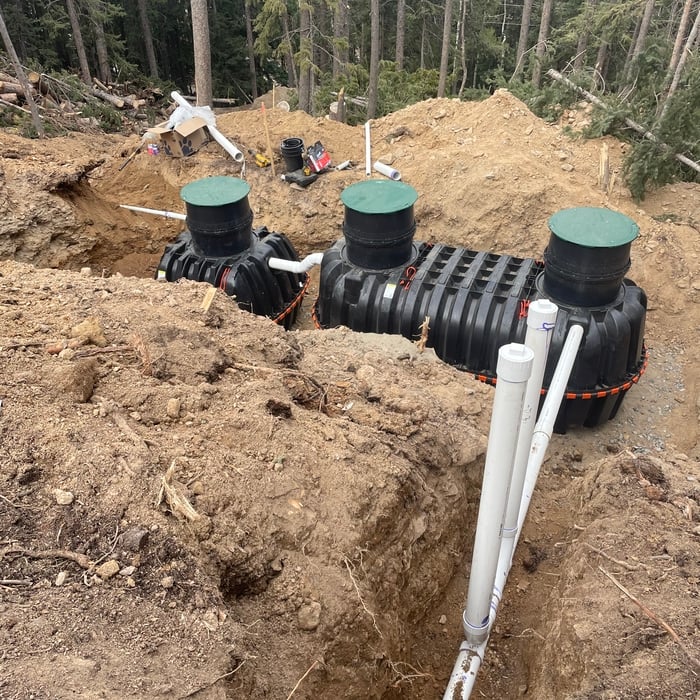
Additional Photos
Additional Photos

+29

Recommended by66%of homeowners
Physis Excavation, LLC
New to Angi
Building Site - Preparation and ClearingExcavation - Major Grading or ReslopingLandscape - Minor Grading or Resloping

Serving Saguache, CO and surrounding areas

In business since 2023

Free estimates

Credit card accepted

Physis Excavation LLC is committed to excellence in every aspect of our business. We uphold a standard of integrity, bound by fairness, honesty and personal responsibility. Our distinction is the quality of service we bring to our customers. Accurate knowledge of our trade, combined with ability, is what makes us true professionals. Above all, we are watchful of our customer's interests and make their concerns the basis of our business.

Response time5 hrs
Showing 1-10 of 19
Excavating FAQs, answered by experts

Prior to excavation, you should prepare the dig site and call 311 before you sign anything.

To get your site ready for excavation, you should move anything in the area that isn’t affixed to the land. You can save money on the excavation by removing hardscaping, including walkways, decks, concrete patios, and paver patios.

Before you carry out any digging, you should call 311 to confirm that there are no utility lines running through your excavation site. Skipping this step could lead to severe injury and property damage if your excavator hits a water, sewage, or gas line.

A trench that is less than 5 feet deep often doesn't require a protective system. Most residential trenches will not go this deep (the typical residential drainage trench is just 18 inches deep). In the event that an excavator needs to dig more than 5 feet beneath the surface, a protective system is required unless the excavation is in entirely stable rock.

Septic drain lines (or leach lines) are typically buried between 18 and 36 inches underground, and should be at least 6 inches below the surface. These pipes are perforated and surrounded by filtering materials like sand or gravel. Burying the lines at this depth helps minimize odors and allows bacteria and other biological processes in the soil to effectively treat the wastewater. Burying lines too close to the surface can cause issues unless the soil is very compact and stable.

Most residential basements are 8 to 10 feet deep. You can dig deeper depending on building codes, but it does become more difficult. You’ll likely need to install stronger foundation walls and additional supports to handle the increased load. Depending on the water table, you may also need a water management system. Clay soil can support a deeper foundation than sandy soil. A structural engineer will be able to tell you the maximum, feasible depth.

There are several methods to hollow out a tree stump, and the best one depends on your tools, experience, and priorities. Common methods include using a chisel and hammer, a chainsaw, or burning.

  • Chisel and Hammer: This is often considered the easiest approach for those with limited tools or experience, though it is the most time-consuming.

  • Chainsaw: Using a chainsaw is the fastest method, but it comes with significant safety risks, especially for inexperienced users.

  • Burning: This can be an effective method, but it is not recommended unless you can first drill holes into the stump. Without holes, the stump will be difficult to light and may not burn completely through.

A power drill with at least a ⅜-inch diameter bit can make the job quicker and easier, regardless of the primary method. While you can use a chisel or chainsaw without a drill, it will require more time and effort. Always wear protective goggles and thick gloves, as splinters are an inevitable risk.

The Saguache, CO homeowners’ guide to excavation services

From average costs to expert advice, get all the answers you need to get your job done.