


Top-rated excavation pros.

Get matched with top excavation pros in Skyland, CO

Enter your zip and get matched with up to 5 pros

Need a pro for your excavation project in Skyland, CO?

Select your specific project to find the pro for you.

Find Excavation pros in Skyland

Avatar for Drake Austin Contractor
Drake Austin Contractor
4.9(
8
)
Building Site - Preparation and ClearingBuilding Site - Preparation and Clearing - For Business

Serving Skyland, CO and surrounding areas

Approved

In business since 2018

Free estimates

Emergency services offered

"Drake was a pleasure to do business with. He rebuilt a custom set of outdoor stairs, and completely renovated the exterior of my log cabin-- restained and rechinked the structure, and provided other repairs. He did top notch work with great attention to detail, and the end result was beautiful. Drake completed all the work in a timely manner and provided great communication throughout the process. No headaches or surprises. I highly recommend Drake Austin and will be in touch with him in the future for other carptentry and construction projects."
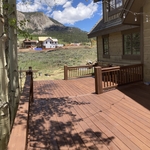
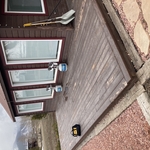
Deck Extension
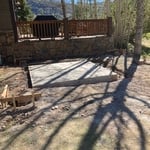
hot tub pad before deck install
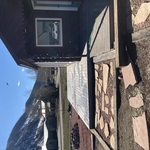
Before replacement
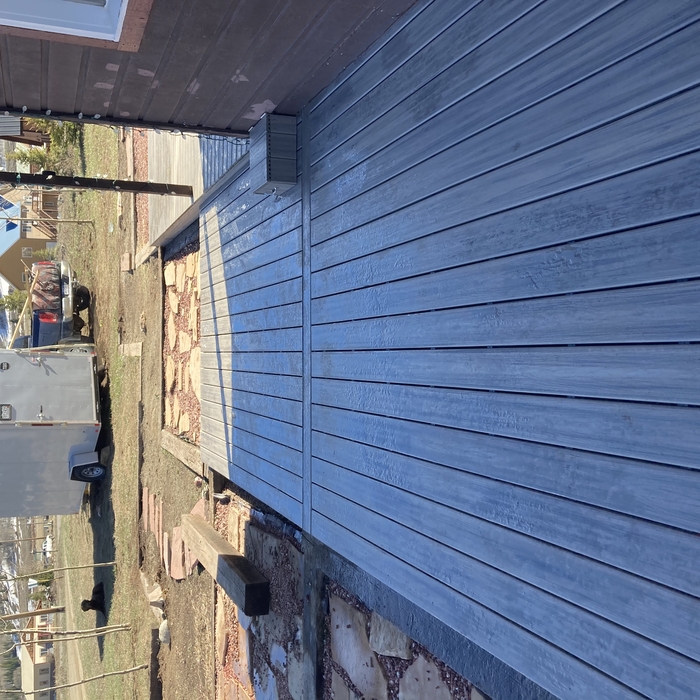
New install
Hose Bib Cover

+10

Response time2 days
10 neighbors recently requested a quote
Recommended by87%of homeowners

Showing 1-10 of 34
Excavating questions, answered by experts

Trenching and boring are two distinct methods for installing underground utilities. Trenching involves digging a channel using equipment like an excavator, trencher, backhoe, or shovel. While it is a simpler process, it causes significant disruption to the surface, landscaping, and surrounding ecosystems.

Boring, also known as directional boring, is a less invasive alternative that uses a drill to create a tunnel for utility lines without disturbing the surface. This method is more precise and is ideal for installations that need to go underneath buildings, roads, or bodies of water. Although boring is less disruptive, it is generally more expensive than trenching.

A crawl space can be as little as 42 inches below the grade of your house, but this is not always recommended in flood-prone areas. At a minimum, there must be at least 16 inches of clearance between the ground and the floor joists to access the space in an emergency.

We recommend removing the stump, and grinding is a popular way to do it. You can also dig out small stumps or stumps that have fully decayed instead of grinding them. However, don’t try using acids or fire for killing a tree stump, which is a fire hazard and illegal in many areas.

Leaving the stump alone invites eventual problems, including attracting termites, mold, and fungi.

A joint utility trench, or joint trench, is a long, buried ditch on a property that contains two or more utility lines rather than running the lines in multiple trenches. Some utilities, like gas and electric or electric and communication lines, are better suited to joint trenching, while others, like water and sewer, are not allowed to be in the same trench.

Whether you grind or dig up and remove your tree stump depends on your landscaping goals. Using a stump grinder leaves the root system in place for it to decompose over time, whereas digging up the tree stump removes the roots and the stump. Overall, stump grinding is a far simpler process since you won’t need to deal with the roots. Stump removal will make your yard look like a demolition site, but you’ll have an easier time replanting in the same place as your former tree.

The Skyland, CO homeowners’ guide to excavation services

From average costs to expert advice, get all the answers you need to get your job done.