




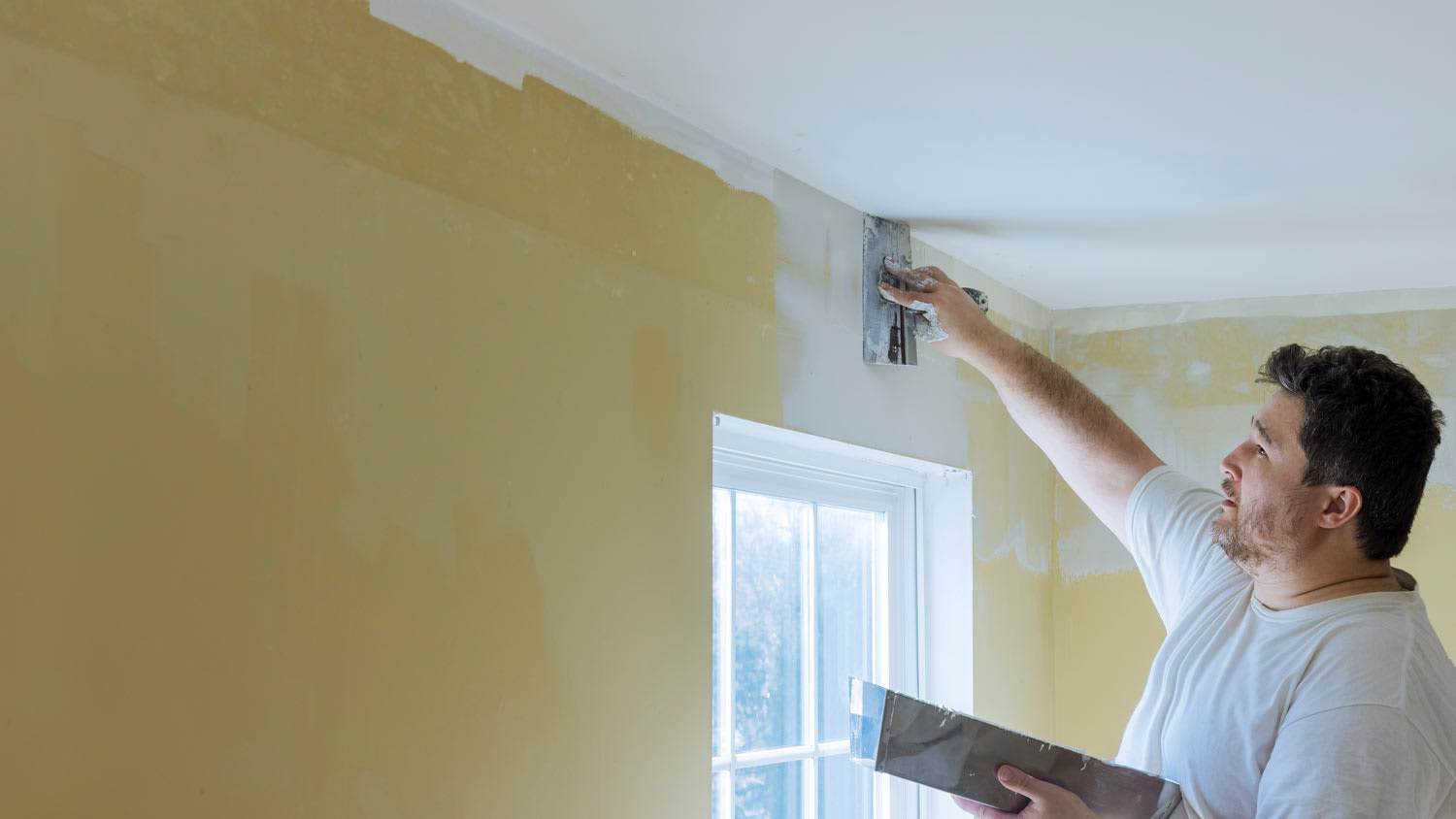
Top-rated drywall pros.

Best drywall pros near El Jebel, CO

Enter your zip and get matched with up to 5 pros

Need a pro for your drywall service project in El Jebel, CO?

Select your specific project to find the pro for you.

Top-Rated Drywall pros in El Jebel - Updated Nov 2026

Avatar for Wall to Wall Drywall, Inc.
Wall to Wall Drywall, Inc.
5.0(
1
)
Drywall - InstallDrywall - Install - For BusinessDrywall - Repair+1 more

Serving El Jebel, CO and surrounding areas

Approved

In business since 2014

Free estimates

Customers say: Quick response

We take great pride in our experience, expertise, quality, and customer service that we provide to meet the consumers' needs. It is our mission to provide excellent workmanship and complete customer satisfaction from start to completion of a project. To understand the needs and expectations of our customers, we take great care to work and communicate with every customer in a professional manner. Our reputation is based on service, safety, and quality, regardless of how large or small the job.

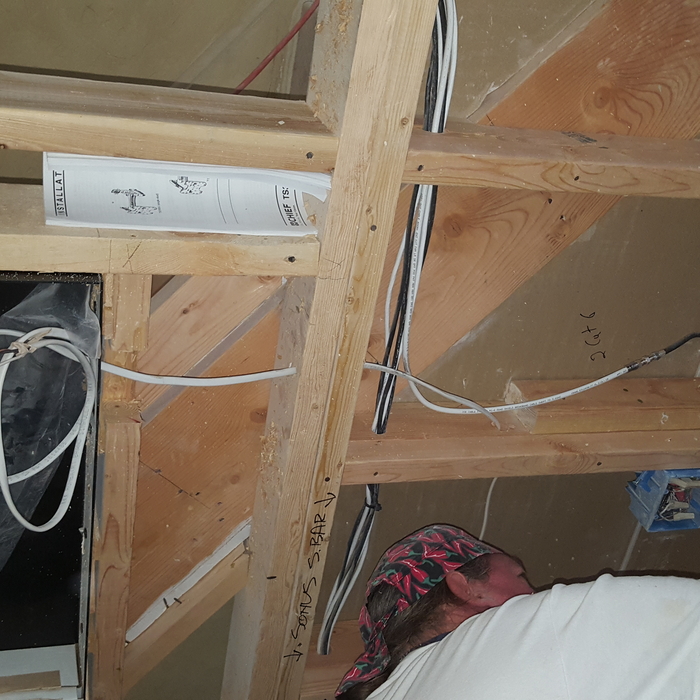
Silt CO. Remodel
Silt CO. Remodel
Silt CO. Remodel
Silt CO. Remodel
Silt CO. Remodel

+51

Recommended by100%of homeowners
Avatar for Curbside Junkies
Curbside Junkies
5.0(
6
)
Drywall - Install

Serving El Jebel, CO and surrounding areas

Approved

Free estimates

Small jobs welcome

Offers commercial services
Curbside Junkies offers hassle-free junk removal services including estate clean outs, appliance disposal, furniture removal, hoarder clean outs, and hot tub removal, Light demolition, House clean out, brush & debris clean out. Serving the entire valley from Aspen to Grand Junction. Let us help you reclaim your space today!

11 neighbors recently requested a quote
...
Showing 1-10 of 98
Drywall FAQs, answered by experts

Furring strips, thin strips of wood or metal, are not always required for ceiling drywall installation. If the ceiling surface is even and in good condition, drywall can be directly attached to the ceiling joists using screws. However, furring strips become essential when dealing with irregular surfaces or when additional insulation or soundproofing is needed. They create a level substrate for attaching the drywall. Ultimately, the decision to use furring strips depends on the condition of the existing ceiling and the specific requirements of the project.

Technically speaking, you can use drywall primer over plasters. However, oil-based primers work the most effectively on wall plasters. Meanwhile, water-based primers work just as well with drywalls. Nowadays, there are also universal primers suitable for drywall and plaster. Overall, you will be fine as long as you are using a trustworthy brand.

The easiest way to tell if a wall is load bearing is to check if it’s an exterior wall or if it runs perpendicular to the joists above and below it (or parallel to beams). Exterior walls are almost always load-bearing, and walls that run under beams or parallel to them are also usually load-bearing. There are exceptions to these rules, and walls that don’t fit into these categories can still be load-bearing. If you’re unsure, hire a structural engineer to look at your home to assess whether or not the wall is structural.

There are six levels of drywall finish, from 0 to 5, that refer to the amount of work performed during the finishing process.

Level 0: Drywall is hung with no finishing work.

Level 1: Tape is placed over the seams between drywall sheets.

Level 2: A thin layer of mud is applied over the tape and screw holes. This level is common for utility rooms or walls that will be covered.

Level 3: A full coat of mud covers the screw holes and tape, but the surface is not sanded. This is often used in garages.

Level 4: This is the most common finish for visible interior walls. It involves applying two coats of mud over seams and screw holes, with sanding between each coat, creating a smooth surface ready for flat paint.

Level 5: This is a high-end finish for luxury homes. It includes full taping, mudding, and sanding, plus a final skim coat over the entire surface before painting.

There are a handful of reasons why your drywall anchors are breaking. Using the wrong type of anchor is the most common problem, so always make sure you’re using the best option for a particular project. That there are electrical wires or plumbing where you’ve placed an anchor or that your drywall is weak are two other possible causes. 

The El Jebel, CO homeowners’ guide to drywall services

From average costs to expert advice, get all the answers you need to get your job done.