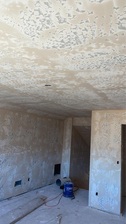



Top-rated drywall pros.

Best drywall pros near Battlement Mesa, CO

Enter your zip and get matched with up to 5 pros

Need a pro for your drywall service project in Battlement Mesa, CO?

Select your specific project to find the pro for you.

Top-Rated Drywall pros in Battlement Mesa - Updated Nov 2026

Avatar for Elk Camp Construction
Elk Camp Construction
4.4(
27
)
Drywall - RepairDrywall - InstallDrywall - Install - For Business+1 more

Serving Battlement Mesa, CO and surrounding areas

Approved

In business since 2017

Free estimates

Customers say: Quick response

"I have a driveway that's approximately 1/10 mile long and a parking area approximately 40' X 80' covered with 3/8" gravel which is very difficult to plow, complicated by the fact that some spots have to be back dragged preparatory to the snow being moved out of the path of traffic. I used to do it myself with an ATV and a 4' blade and it would take me about 2 hours, usually at an inopportune time and in inhospitable weather. When I was done, it looked like the snowy equivalent of a putting green, but at my age, I'm very willing to sacrifice fine detail for having someone else do it while I sit inside doing paid work. Dustin is personable, bright, attentive to detail, highly skilled and has an understanding of finesse. So far, he has only plowed once for me and did a better job than my last three contractors. As far as I'm concerned, he has a job with us for the next twenty years and I'm thinking of hiring him for some drywall work. I set very high standards in my work and expect equivalent quality from people I hire. My expectations have been met and exceeded. A+++++"
Drywall
Complete
Sound Control
Texture Matching
Remodel

+43

Response time6 hrs
6 neighbors recently requested a quote
Recommended by92%of homeowners
...
Showing 1-10 of 100
Drywall FAQs, answered by experts

Applying plaster to a wall will usually cost between $2 and $10 per square foot for both the material and labor. The cost will vary based on the quality of the plaster you’re using and whether or not prep work is required before the work begins. Wall prep can add up to about 10% to your total costs. Plastering exterior walls can be more expensive in many cases because they are taller and require scaffolding and safety equipment.

You’ll get better results if you soundproof the whole wall. A hole through which light can pass can also let sound waves in. Acoustical or silicone sealant applied to holes and cracks can block enough sound to make a difference. However, the more layers absorb vibrations and slow or stop sound waves, the less noise you’ll have. 

All plaster walls will crack over time due to normal house settling and expansion and contraction from temperature and moisture changes. Small, thin hairline cracks are generally not serious and are mostly a cosmetic issue. However, larger or more significant cracks can indicate structural problems.

Here's how to tell the difference:

  • Cosmetic Cracks: Cracks that are 0.5 cm (0.2 inches) or thinner are typically cosmetic.

  • Structural Cracks: Cracks wider than 0.5 cm, excessive or deep cracks, multiple cracks in the same area, or cracks that span around corners can signify a structural or foundation issue. Cracks along the joints where walls meet the ceiling also warrant attention.

For cracks wider than 0.5 cm, structural repair is needed. If a crack is 2.5 cm (1 inch) or wider, or if you notice any signs of a structural problem, it is best to contact a plaster repair professional to assess the damage.

If you’re installing new drywall, you may need to skim coat the drywall first for a smooth finish and to allow the primer to adhere to the wall. It’s only necessary if there are imperfections in your drywall due to issues with the studs or improper drywall installation. If you’re refreshing existing walls, you may want to skim coat if there are imperfections across the wall. As an alternative, you can repair your drywall and sand it for a smooth finish before painting.

Although they have similar applications, spackle and joint compound are not the same. Their primary differences lie in their composition, consistency, and ideal use cases.

Spackle is composed of gypsum and binding agents, making it thicker than joint compound. It dries quickly and is easy to sand, which makes it ideal for small wall repair projects like filling nail holes or patching minor damage.

Joint compound, also known as drywall mud, consists of limestone and gypsum. It is primarily used for large-scale projects, such as taping and finishing the seams on newly installed drywall. It tends to shrink more than spackle and can be more difficult to spread.

While both products can be used to fill small depressions and cracks, spackle cannot replace joint compound for taping and mudding new drywall. Conversely, you can often use joint compound for small patching jobs typically done with spackle.

The Battlement Mesa, CO homeowners’ guide to drywall services

From average costs to expert advice, get all the answers you need to get your job done.