






Top-rated drywall pros.

Get matched with top drywall pros in Crawford, CO

Enter your zip and get matched with up to 5 pros

Need a pro for your drywall service project in Crawford, CO?

Select your specific project to find the pro for you.

Find Drywall pros in Crawford

Avatar for Naayeri Construction LLC
Naayeri Construction LLC
5.0(
3
)
Drywall - Install

Serving Crawford, CO and surrounding areas

Approved

In business since 2024

Free estimates

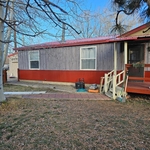
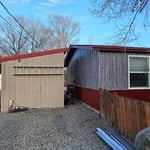
"Naayeri placed synthetic stucco on the exterior walls of my residence and garage. As a first step, they had to remove old vinyl siding and rehabilitate the uneven walls beneath. They prosecuted the work diligently when weather allowed and listened to my concerns. . They took care to care to avoid damage to other parts of the residence and cleaned up acceptably at completion. It was a challenging job, because the residence was old and complicated. The end result looked impressive and my neighbors agree."
Roof replacement
Roof replacement
Roof replacement
Siding Repairs/Replace

+3

Response time10 hrs
Response rate100%
1 neighbors recently requested a quote
Avatar for Newest Era Drywall LLC
Newest Era Drywall LLC
5.0(
4
)
Drywall - InstallDrywall - Install - For BusinessDrywall - Repair+1 more

Serving Crawford, CO and surrounding areas

In business since 2019

Free estimates

Credit card accepted

"Absolutely impressed with their work! Newest Era Drywall did a flawless job repairing my ceiling after water damage. The finish is smooth, seamless, and perfectly matches the rest of the room, you’d never know it was damaged. They were professional, on time, reasonably priced, and left everything spotless. Highly recommend them for any drywall or ceiling repair needs!"
Response time1 day
Response rate100%
1 neighbors recently requested a quote
...
Showing 1-10 of 73
Drywall questions, answered by experts

You should stagger drywall sheets to help prevent cracking. The joints between drywall sheets are the weak spots, so if you install drywall with seams aligned, you’ll create weak lines that run across the length of the wall and extend from floor to ceiling. But when you stagger drywall, the solid sections of panels will support the joints. This can prevent seams from cracking or separating due to fluctuating temperature and humidity, vibrations from movement inside the home, and gravity.

In most cases, no, you won’t need a permit to replace drywall. If you’re changing the floorplan of your home by adding or removing walls during the drywall project, then you might need a permit, but replacement or repairs usually doesn’t require a permit. Your drywall professional should be able to confirm whether or not a permit is required for your project. If it is, it’s likely to add between $50 and $150 to your total cost. Keep in mind that you will need permits if you plan to install new electrical wiring or plumbing lines behind your new drywall.

All plaster walls will crack over time due to normal house settling and expansion and contraction from temperature and moisture changes. Small, thin hairline cracks are generally not serious and are mostly a cosmetic issue. However, larger or more significant cracks can indicate structural problems.

Here's how to tell the difference:

  • Cosmetic Cracks: Cracks that are 0.5 cm (0.2 inches) or thinner are typically cosmetic.

  • Structural Cracks: Cracks wider than 0.5 cm, excessive or deep cracks, multiple cracks in the same area, or cracks that span around corners can signify a structural or foundation issue. Cracks along the joints where walls meet the ceiling also warrant attention.

For cracks wider than 0.5 cm, structural repair is needed. If a crack is 2.5 cm (1 inch) or wider, or if you notice any signs of a structural problem, it is best to contact a plaster repair professional to assess the damage.

The two most common drywall thicknesses for ceilings are 1/2-inch and 5/8-inch. For most standard residential applications, 1/2-inch drywall is sufficient and widely used. It provides adequate support and is lighter and easier to handle during installation compared to thicker sheets. However, 5/8-inch drywall is often used for specific cases where additional benefits are needed. It is heavier but provides superior sound dampening and fire resistance. You should consider using 5/8-inch drywall for ceilings in commercial buildings, between a garage and a living space, or above a finished basement to meet building codes or for enhanced soundproofing.

In some minor cases, you can DIY drywall repair with minimal time and money spent. This method is best when you have a hole made by a singular problem, such as accidental furniture moving, and not a continuous problem, like a rodent infestation. 

Knowing what product to use is crucial. For example, small holes only need spackle, whereas large holes might need a new piece of drywall. You can flex your DIY abilities on this project, but if you’d like a second opinion or have a more significant problem, it’s best to call in a drywall repair pro.

The Crawford, CO homeowners’ guide to drywall services

From average costs to expert advice, get all the answers you need to get your job done.