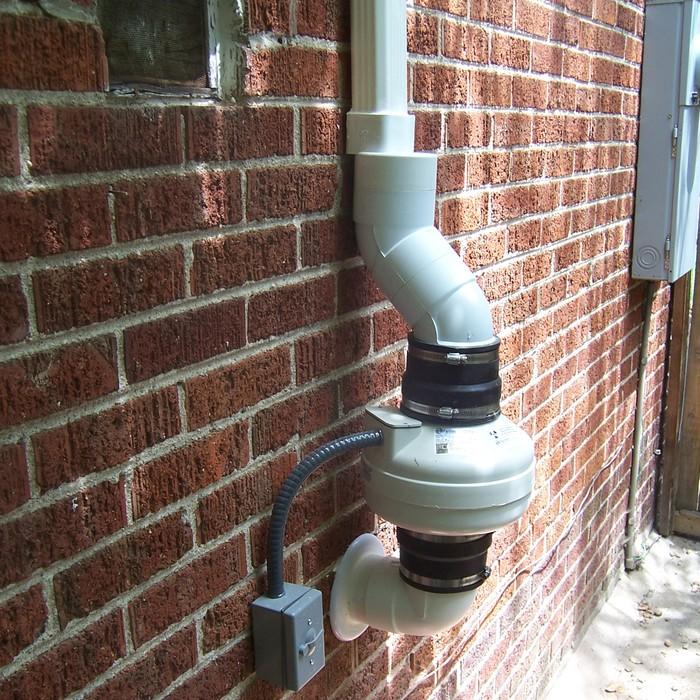
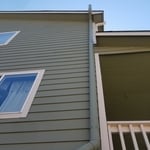
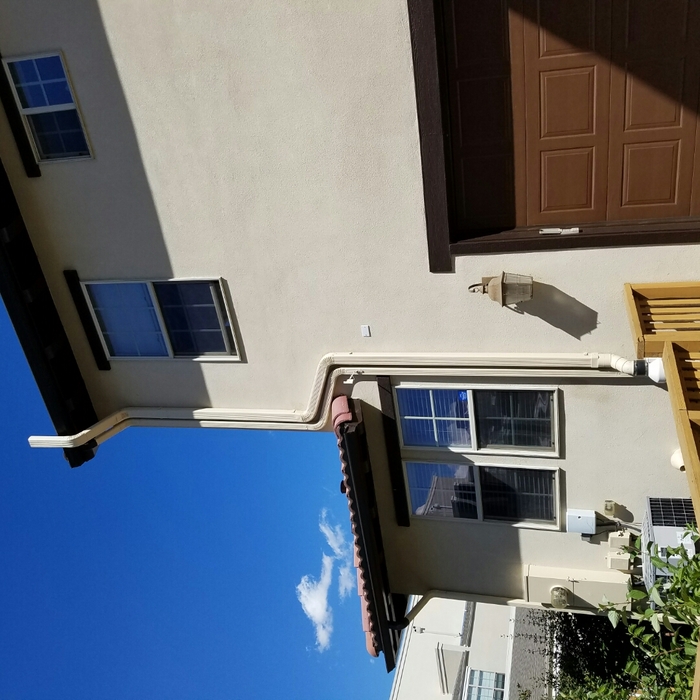
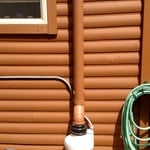
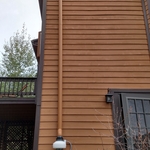
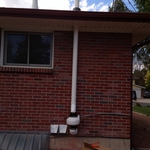
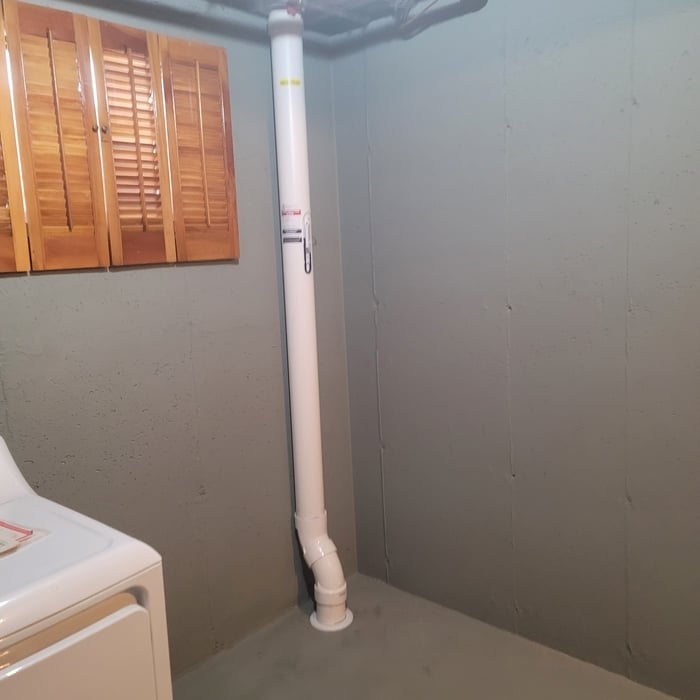
"Jason was extremely helpful in installing our radon mitigation system. He even went above and beyond in helping us with other issues our home had. Definitely recommend him and Veteran Radon!"
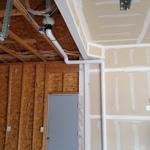
"Recently I had radon mitigation system installed in my house. The job was done by Affordable Radon Services LLC. Very friendly workers Ken and Joe worked on my property. They did excellent job. The following test showed significant decrease at the radon level on the property. I am very happy that I hired this company and recommend for your needs."
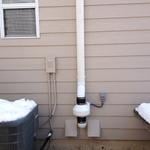
"Called to ask about getting someone to come check on our radon system, which had stop working several months earlier. The person I spoke with, was friendly and very helpful. She was able to answer a few questions over the phone. She was also able to schedule someone to come out within the week. I was impressed that I received both an e-mail and phone appointment confirmation, the day before the technician was suppose to arrive. The technician showed up right on time, was professional and was able to diagnose the problem quickly. We needed a new fan for the system. Less than 30 minutes later, he was done and everything looks great. He left a radon testing kit that we will use in a week to make sure everything is working. Great experience and would definitely use them again in the future if needed."
"Within 24 hours of install my home went from the high 6's in radon levels down to the high 2's and mid 3's. Professional and very efficient personnel at reasonable prices."
"I recently used APlus Home Inspections for a home inspection in Lakewood, and I couldn’t be more impressed. From start to finish, the experience was professional and seamless. The inspector was extremely knowledgeable and thorough, taking the time to explain every detail clearly while pointing out both minor maintenance items and more significant concerns. The report was comprehensive, included detailed photos, and was easy to understand, giving me confidence in my decisions regarding the property. Communication was prompt and courteous, and scheduling was handled with flexibility and professionalism. I highly recommend APlus to anyone seeking a reliable, trustworthy, and meticulous home inspection service. They truly exceeded my expectations."
Master Mitigators works with homeowners, buyers, sellers, real estate agents, builders, and business owners across Denver and the Front Range, where radon exposure remains a recognized concern. Colorado's soil and foundation construction create conditions that require informed assessment and tailored response. Addressing radon isn't only about installation—it's about understanding what's beneath your property and how to respond effectively.\n\nYou'll receive an evaluation that accounts for your foundation type, soil composition, and property layout. From there, the focus shifts to planning a system that fits your space without disrupting daily routines or compromising structural integrity. Every property presents different variables, and your solution should reflect that.\n\nReach out to Master Mitigators to schedule a radon assessment for your home or business.
We take great pride in our experience, expertise, quality, and customer service that we provide to meet the consumer's needs. It is our mission to provide excellent workmanship, and complete customer satisfaction from start to completion of a project. To understand the needs and expectations of our customers, we take great care to work and communicate with every customer in a professional manner. Our reputation is based on service, safety, and quality regardless of how large or small the job.
Radon Detection and Reduction questions, answered by experts
Yes, many systems include warranties for performance. Confirm terms with your installer.
Use a radon test kit or hire professionals to conduct a detailed assessment of radon levels in your home.
Radon detection is crucial as prolonged exposure to radon gas, a leading cause of lung cancer, poses significant health risks in residential environments.
The cost for a radon mitigation system typically ranges from $800 to $1,500, with an average around $1,000. The final price depends on several factors, including the size of your home, the severity of the radon issue, and the type of system required. Your home's foundation type also significantly impacts the cost. For example, sealing and ventilating an unfinished basement might cost around $4,600, while encapsulating a crawl space without a foundation slab can range from $1,500 to $15,000.
Mitigation can take several days depending on home setup, equipment accessibility, and achieving effective diffusion system sealed efficiency.
The Black Forest, CO homeowners’ guide to radon detection and reduction services
From average costs to expert advice, get all the answers you need to get your job done.
Get clear answers on how much radon remediation costs, including average prices, key cost factors, and tips to save money on your home’s radon mitigation.
Find out what impacts radon testing costs, including average prices for DIY kits and professional services, so you can protect your home and budget confidently.
Radon is a gas that you can't see or smell and is harmful to your health. If your home has radon, you need to know who installs radon mitigation systems.