





Top-rated animal removal specialists.

Get matched with top animal removal specialists in Willows, CA

Enter your zip and get matched with up to 5 pros

Need a pro for your animal removal project in Willows, CA?

Select your specific project to find the pro for you.

Find Animal removal specialists in Willows

Avatar for C. Wright & Wright Enterprises, Inc.
C. Wright & Wright Enterprises, Inc.
3.7(
37
)

Serving Willows, CA and surrounding areas

Approved

In business since 1991

Free estimates

Emergency services offered

"I had crown and floor molding installed through the house. They did a fantastic job and their team was professional, friendly and respectful. Job was two days, each day they were on time and worked hard to complete the project on time. I would highly recommend them."
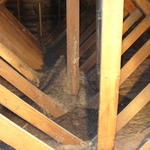
 Guano in Attic
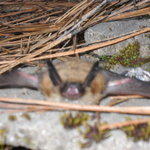
 bat
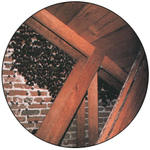
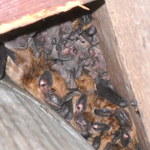
 Bats roosting in attic
 Moms with babies
Warehouse - safe & humane removal

+49

35 neighbors recently requested a quote
Recommended by84%of homeowners
Avatar for Terminix® Pest Control
Terminix® Pest Control
4.0(
1
)

Serving Willows, CA and surrounding areas

Approved

In business since 1927

Free estimates

Warranties offered

"Very knowledgeable guy who seem to know what he’s doing. Don’t know results of spraying. Have had much rain since. Will have to see if it worked. Terminex will spray again the beginning of next month."
My jobs
My jobs
My jobs
My jobs
My jobs

+2

48 neighbors recently requested a quote
Animal Removal questions, answered by experts

Consider making some noise if you're looking for a straightforward way to put a damper on excessive frog croaking. You don't need to orchestrate a symphony—simple actions like stomping or clapping with gusto can work wonders. You can also try blasting music, but that won't help you make friends with your neighbors. A simpler solution might be learning to live with it. You can try soundproofing your bedroom with heavy-duty noise-reducing curtains.

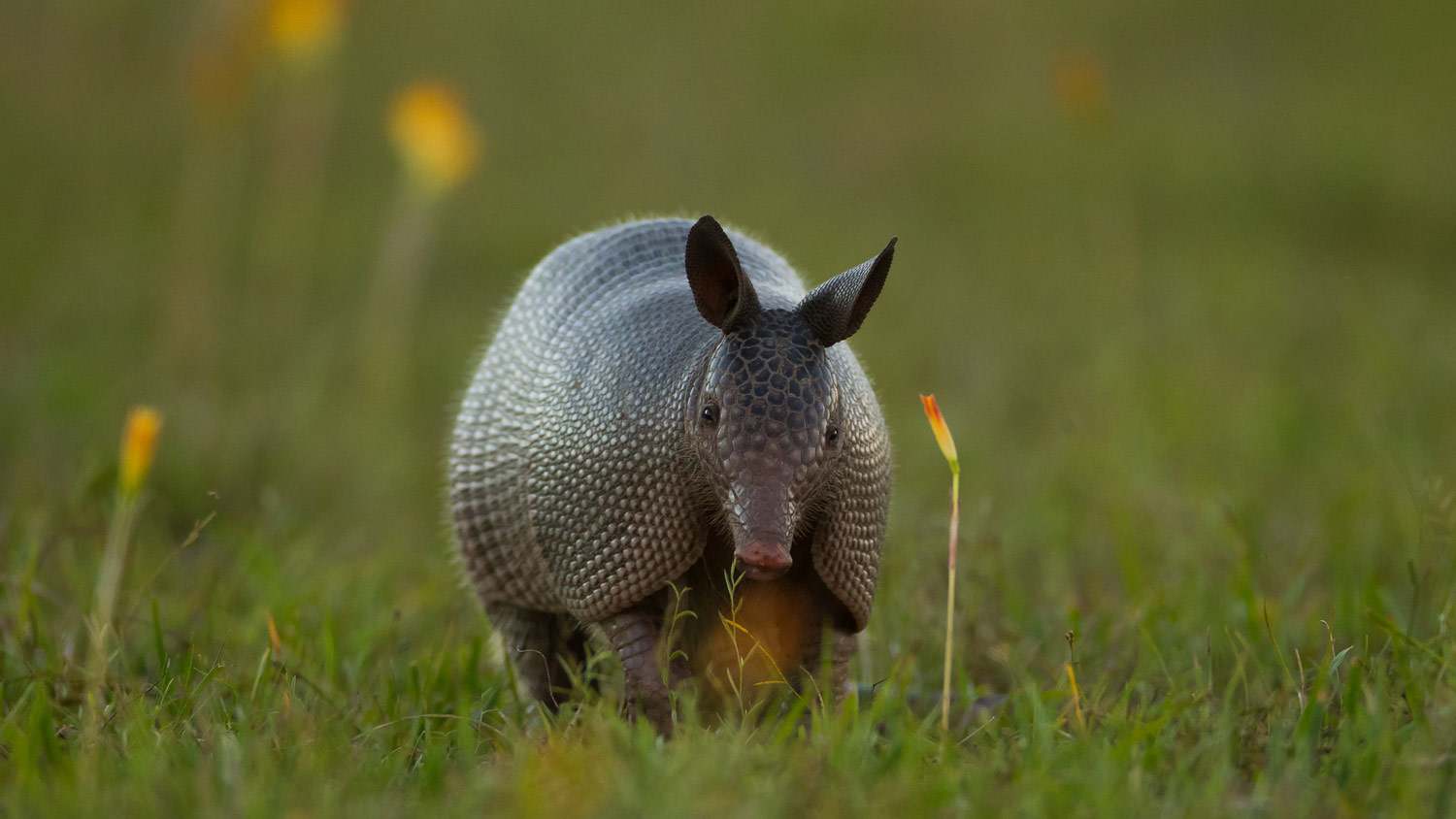
Armadillos are most active during cooler hours to avoid extreme temperatures, particularly the daytime heat in the warm climates where they live. This activity pattern helps them reduce the risk of overheating and dehydration. They are generally active from late at night to early morning, often between 2 a.m. and 5 a.m., but can also be seen around dawn and dusk. An exception to this is during mating season (June-July in the northern hemisphere, November-December in the southern hemisphere), when male armadillos may be more active than usual.

Skunks like to forage for grubs in the soil, like worms and insects, but they are also tempted by trash and pet food bowls, so keeping these items out of sight may help keep skunks away. Skunks also like to set up a den in dark places, such as a crawl space or outbuilding.

Moles breed once a year, marking March on their calendars as peak season. However, their breeding season can start as early as February and wrap up in May. Their gestation period is 4 weeks, with litters ranging from 2 to 6 little ones. They are considered all grown up by the three-month mark, making them ready for parenthood.

Skunks spray as a defense mechanism to ward off predators. The active ingredient in their sulfurous, oily musk is n-butyl mercaptan, which evaporates into a powerful and smelly gas. Once the spray hits the skunk’s target, the stench can linger for days, and water and common cleaning kits aren’t enough to wash it away.

If you happen upon a skunk in your yard, try to back away slowly to reduce the chance of them aiming at you. Encouragingly, they don’t use their weapon casually, as it can take up to 10 days for their life-saving weaponry to refill. Paw stamping, hissing, lifting their tail, and arching their back are early signs they feel trapped or under threat and that it’s time to make a careful retreat.

The Willows, CA homeowners’ guide to animal removal services

From average costs to expert advice, get all the answers you need to get your job done.