

Top-rated mulch and topsoil pros.

Get matched with top mulch and topsoil pros in Willits, CA

Enter your zip and get matched with up to 5 pros

Need a pro for your mulch and topsoil service project in Willits, CA?

Select your specific project to find the pro for you.

Find Mulch and topsoil pros in Willits

Avatar for Nickel Creek Landscapes & Design
Nickel Creek Landscapes & Design
4.7(
26
)
Landscape - Install Landscaping for Yard or Garden

Serving Willits, CA and surrounding areas

In business since 1990

Free estimates

Credit card accepted

"Dawn and team were great. Extremely knowledgeable and professional from start to finish. Very helpful design input and flexibility during installation. All was done on time, on budget. Highly recommended."
Synthetic Grass Installs

+47

Response time3 days
Recommended by100%of homeowners
Avatar for Landmark Energy Upgrades
Landmark Energy Upgrades
4.8(
59
)
Landscape - Install Landscaping for Yard or Garden

Serving Willits, CA and surrounding areas

In business since 2009

Free estimates

Emergency services offered

"Overall, they did a good job. They are friendly and very helpful. we had a little mess to clean up after, but to be fair, I didn't complain -- if i had they would have come back. Preferably they would have come back to check on their own."
Cool Roof Install
Energy Upgrade
HVAC Air Duct
Home Energy Audit
Energy Upgrade Contractors

+6

Recommended by98%of homeowners
Showing 1-10 of 45
Mulch and Topsoil questions, answered by experts

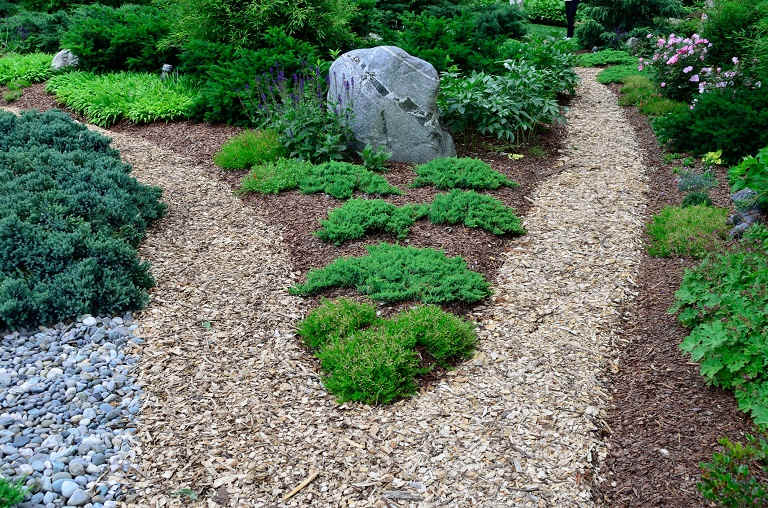
The difference between river rock and landscaping rocks is size, smoothness, and use. River rocks are smooth and flat, as if polished by water, and come in diameters between 1 and 8 inches. Landscape rock can vary in size from small pea gravel installations to car-sized boulders. However, landscaping and river rocks are interchangeable in many situations. River rock is best for pathways, walkways, garden bed mulch, water features, and planting accents, while small landscape rocks can serve as a walkway base, gravel playground areas, and filler between pavers.

It depends on the model of your pool. You’ll always have to level the topsoil, but most vinyl-lined pools require an additional 1- to 2-inch layer of sand to protect the liner. This way, when a foot kicks down to the bottom of your pool, it’s not scraping the liner against the hard ground. If your pool isn’t vinyl-lined, you can skip this step or add a layer of another base material, like decomposed granite. Always check your manufacturer’s instructions before you begin.

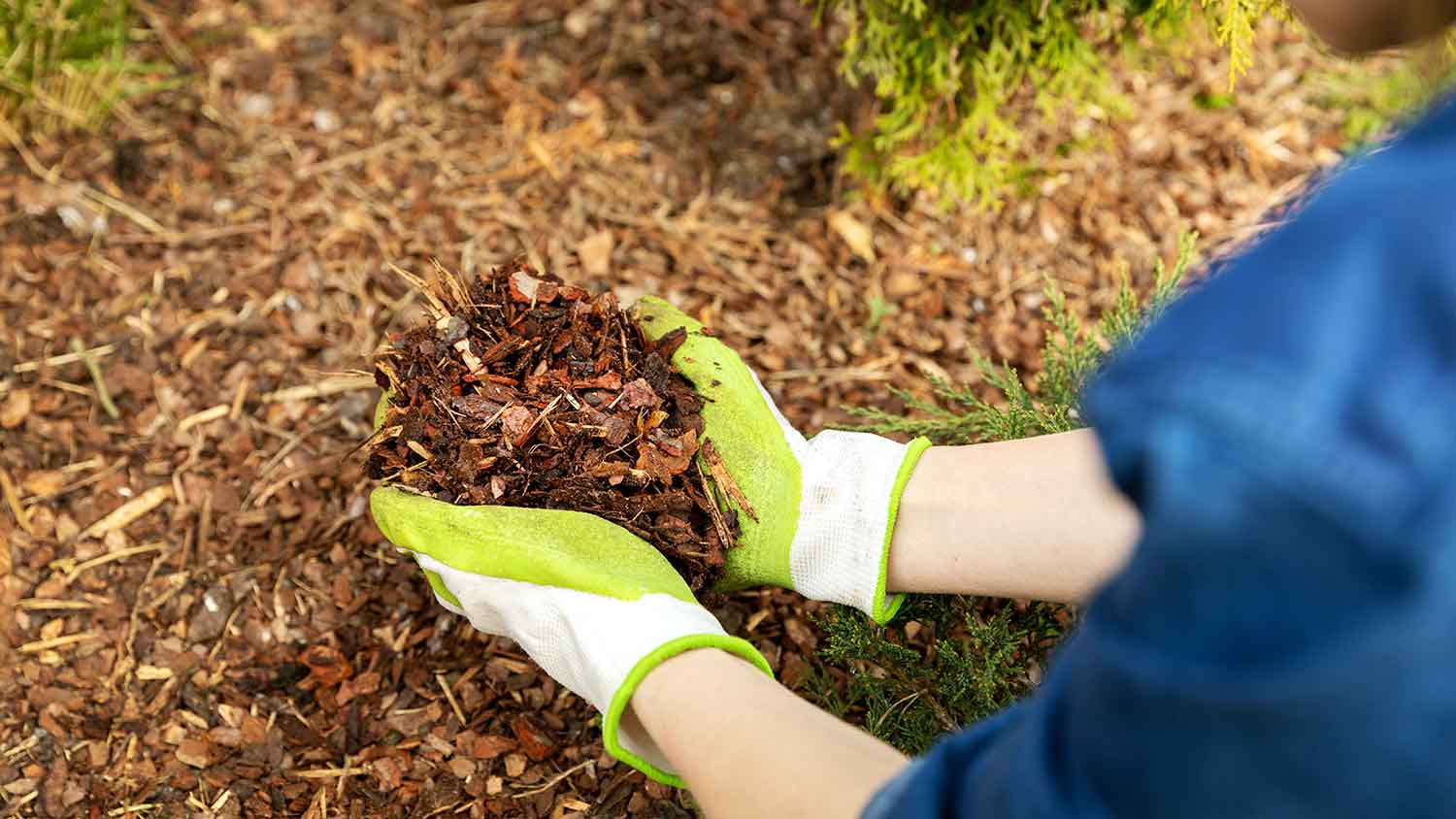
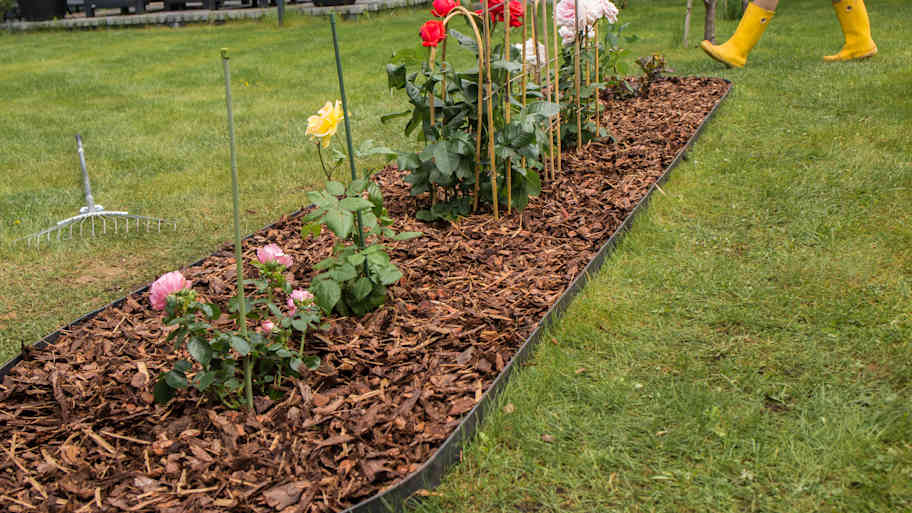
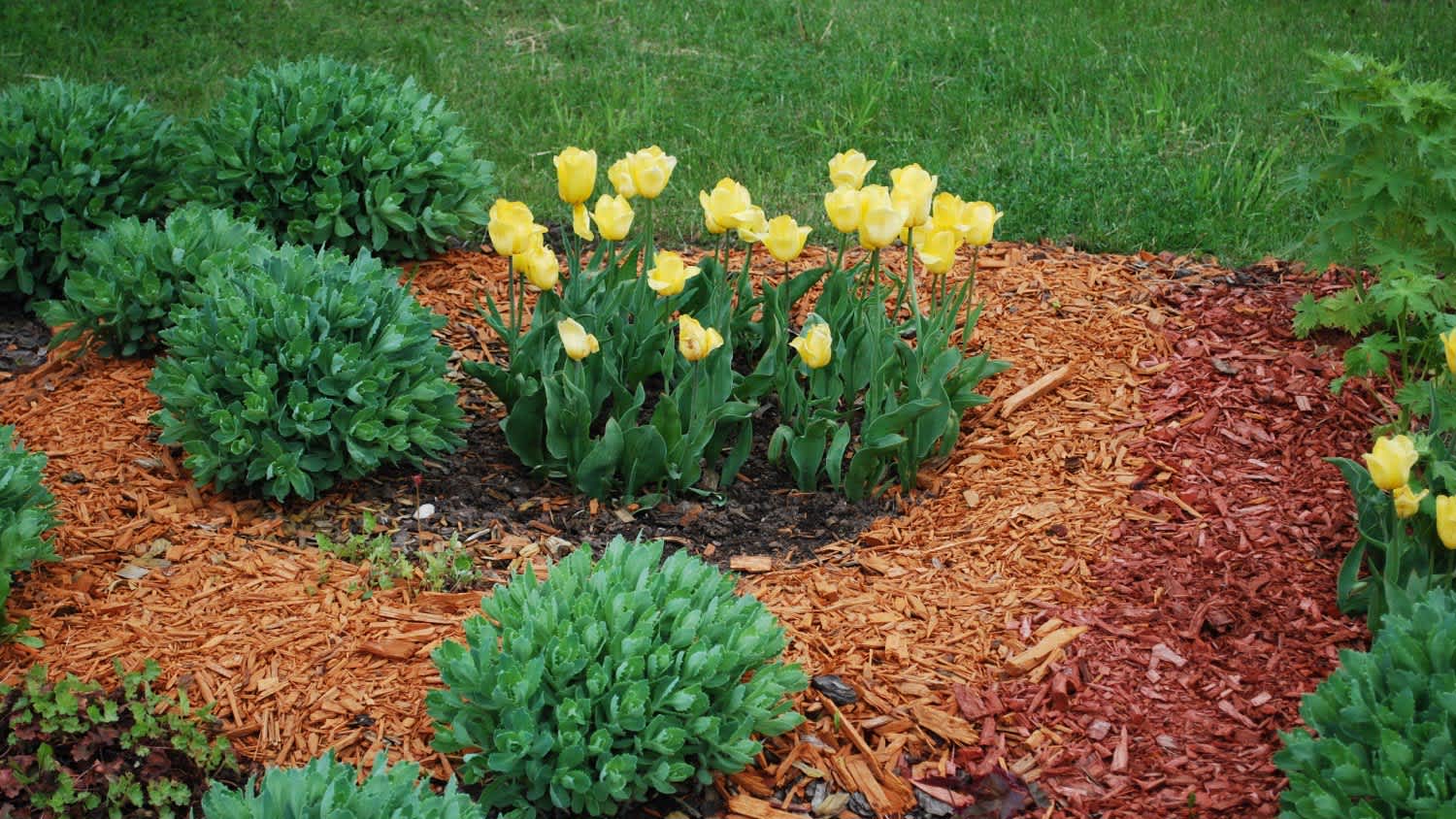
Mulch can increase the aesthetic and curb appeal of your property, and it provides a ton of benefits for your trees, shrubs, and even your foundation. Here are some of the benefits of installing mulch:

  • Protects your trees from weed whacker strikes

  • Helps regulate moisture in the soil for better plant and tree health

  • Can improve your home’s curb appeal and, therefore, your property value

  • Reduces how much runoff soaks into the soil around your foundation, potentially reducing the risk of foundation damage and leaking

Since the nature of the landscaping project can heavily influence the overall cost, it helps to understand what different types of landscaping projects cost on average. For example:

  • Plant a tree: $100–$2,000

  • Build a retaining wall: $3,250–$9,200

  • Reseed a lawn: $450–$1,700

  • Install a water fountain: $950–$4,800

  • Install a paver patio: $2,400–$7,000

  • Install a concrete walkway: $1,200–$2,400

  • Install a flower bed: $800–$3,000

  • Landscape lighting: $2,000–$6,000

A base layer is typically required when installing artificial grass, and the specific materials depend on the surface where the turf is being placed.

If you are installing artificial grass over soil, you should lay down a sub-base and a weed barrier.

  • Weed Barrier: A fabric weed barrier, weed membrane, or geo-textile paper is essential to prevent weeds from growing through and damaging the turf.

  • Sub-base: This layer provides drainage, support, and prevents the turf from sinking. Common materials include a mixture of gravel and sand, such as crushed miscellaneous base (CMB), decomposed granite, decomposed limestone, or a specifically mixed road base. Other options include silica sand and granite sand.

If you are placing turf over a hard surface like concrete, you can often skip the sub-base and use a padded underlayment or shock-absorbent material like astro-cushion for comfort and safety.

If you are unsure which materials are best for your specific project, it's a good idea to consult with an artificial turf installer.

The Willits, CA homeowners’ guide to mulch and topsoil services

From average costs to expert advice, get all the answers you need to get your job done.