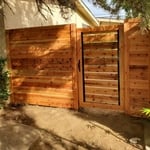
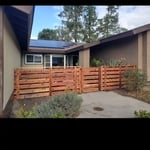
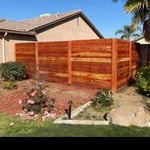
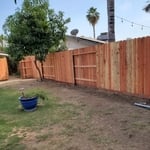
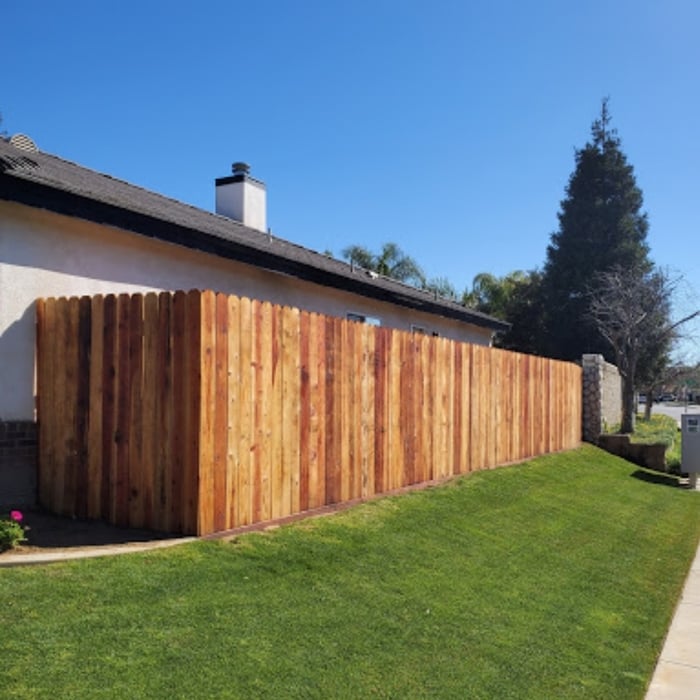
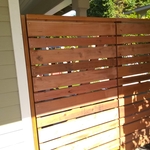
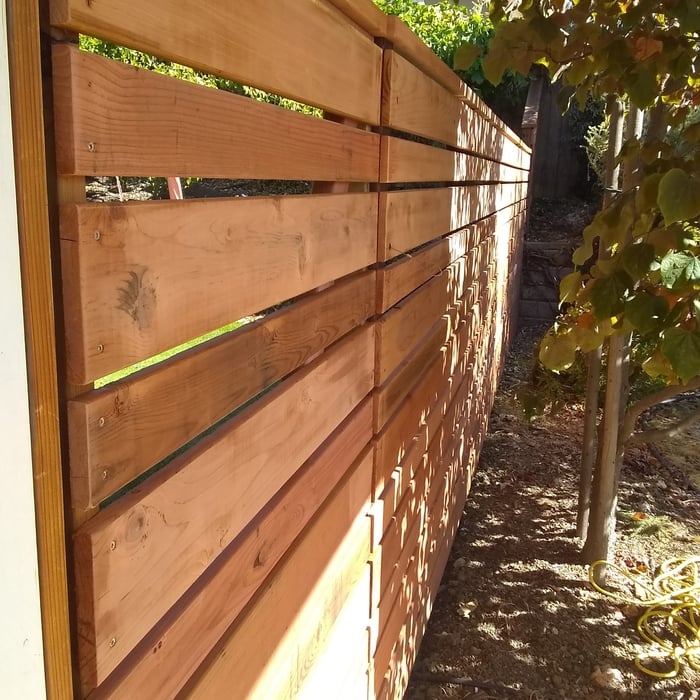
"Brian is detail oriented like myself that's why we hit it off right from the start. I can't say enough how happy I am about my horizontal wooden fence. My neighbors and passersby constantly compliment my fence, a testament of Premier Fencing's capabilities. I would definitely work with Premier Fencing on future projects. Thank you Brian (owner)!"
Mike the Handyman is locally owned and operated. We are committed to excellence in every aspect of our business. We uphold a standard of integrity bound by fairness, honesty, and personal responsibility. Our distinction is the quality of service we bring to our customers. Accurate knowledge of our trade combined with ability is what makes us true professionals. Above all, we are watchful of our customer’s interests, and make their concerns the basis of our business.
We have the experience and dedication to get the job done right! Specializing in Handyman services; We guarantee your satisfaction, and we won't leave until the job is done right. We pride ourselves on the quality work we provide, while delivering great customer service! Call or\nclick for your FREE estimate today!\n
While you may be hearing squirrels running around your attic at night, these animals are usually more active during the day. If you hear scratching sounds in your attic at night, it’s mostly likely a mouse, raccoon, or bat. Investigate your roof, attic, and other entrances to your home to find signs that indicate the presence of squirrels or other pests.
Set live traps or install a one-way door to evict squirrels, rodents, and other animals from your attic. Once they’re out, seal any entry points to prevent the animals from returning. If you’re dealing with an infestation, call a pro.
You might be tempted to call your local municipality to remove animals from your property, such as a groundhog burrowing in your yard or raccoons getting into your trash cans. However, they typically only remove domestic animals like dogs and cats from properties, or sick and injured wildlife that pose a public safety risk or health threat, such as a rabid animal. They typically do not capture or remove healthy wildlife.
Animal removal professionals have the tools, knowledge, and skills to trap and remove wild animals adequately and humanely. They also can relocate them correctly.
If they find a hospitable spot with shelter, water, and a steady food source, there’s a good chance groundhogs will return—or not leave at all.
This varies based on the circumstance. Chemical-based pest control baits and poisons are usually the most potent, but they are unsafe to use around children and pets, so they won’t be a fit for every household.
Safer alternatives, such as boric acid and food-grade diatomaceous earth, can work as well, though they should still stay out of reach. Aside from that, the best thing any DIY-er can do is make their place uninviting by sealing off entry points, eliminating clutter, and maintaining a clean home.
The Springville, CA homeowners’ guide to animal fencing services
From average costs to expert advice, get all the answers you need to get your job done.
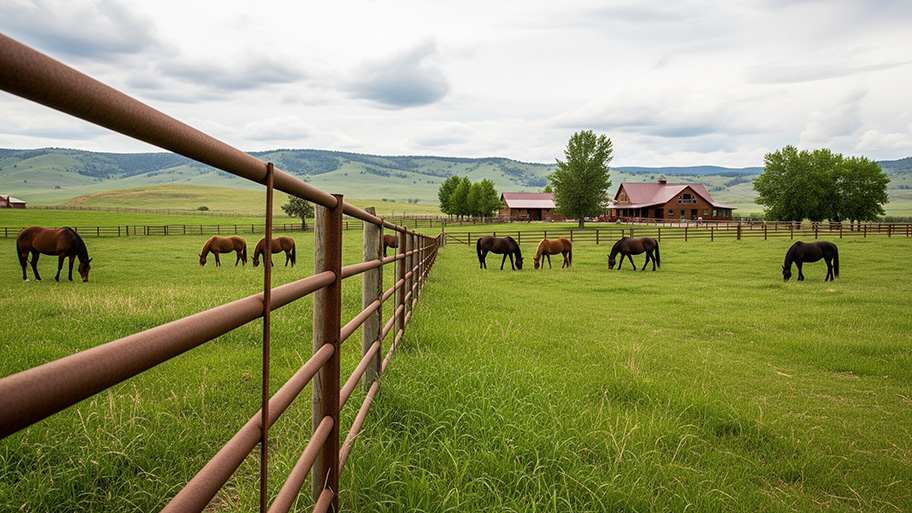
Pipe fencing is an extremely strong, durable option for containing horses and other livestock. This guide breaks down the factors that affect pipe fence cost.