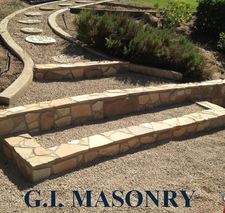
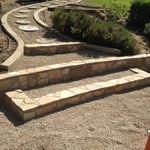
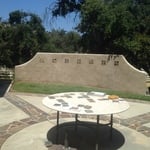
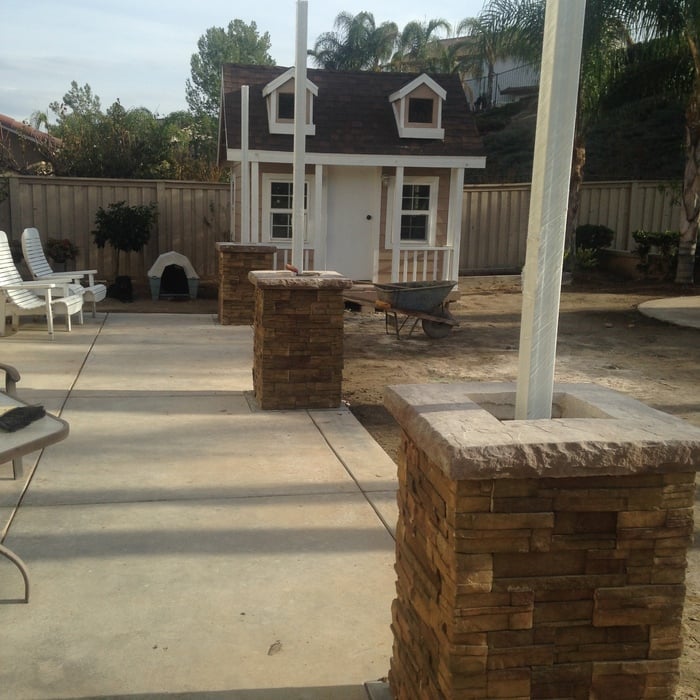
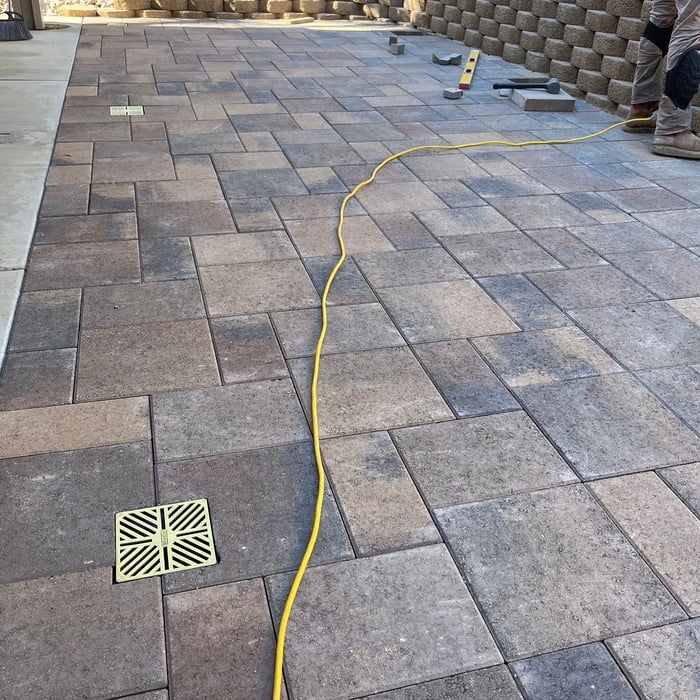
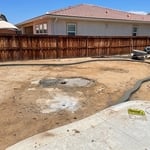
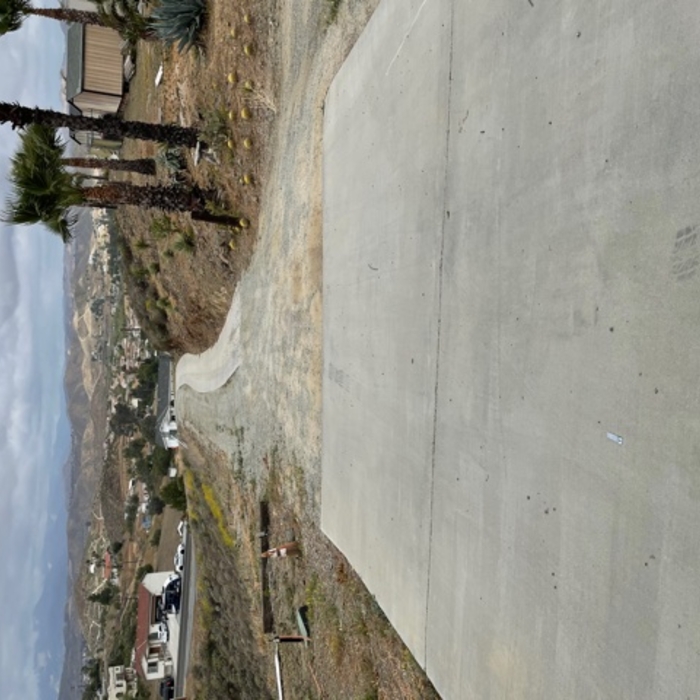
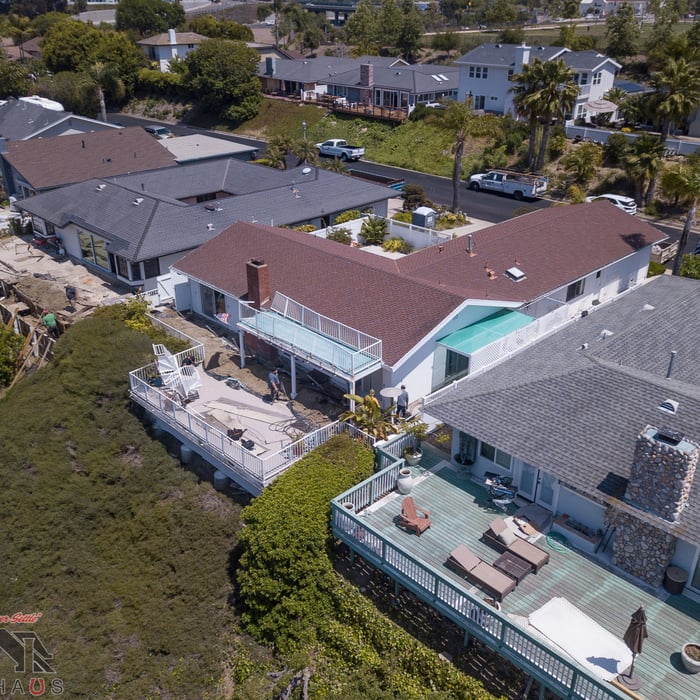
"Awesome company, amazing job from the crew that worked on the brick walls of our home. My husband and I were aware of everything that was going on at all times, and Tony has been wonderful, along with the crew who was very respectful and friendly. The work is outstanding and exceeds our expectations. We will definitely keep them in mind for future projects and highly recommend G.I. Masonry."
"The best contractor ever. Very professional with an upbeat friendly personality. He did everything he said he would and more. His crew was the same. I highly recommend Andrew Cotter of Cotter Concrete."
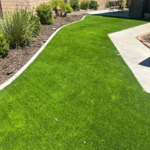
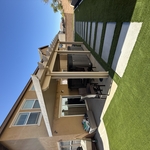
"They were amazing and very quick to get done. My lawn looks amazing! It’s so pretty that it looks like a beautiful picture from a book. All my sprinklers are all working again and my valves are not leaking anymore. I’m very happy with the results."
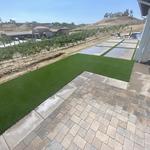
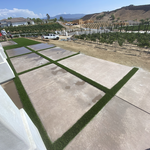
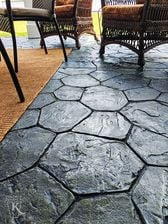
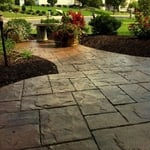
"I recently hired Just Stamping Concrete for a landscaping project, and I must say that I was blown away by their work. Their team is highly skilled and knowledgeable, and they truly transformed my outdoor space into a beautiful oasis."
"Great experience! Very professional and project looks great! Would recommend!! Actually I did recommend them to other family! Very happy with finish. Repaired areas match finish perfectly."
"José was extremely helpfully. I needed concrete for the foundation of our ADU and he was very quick to get estimates for everyone over to me and got us our pour date and time without any issues."
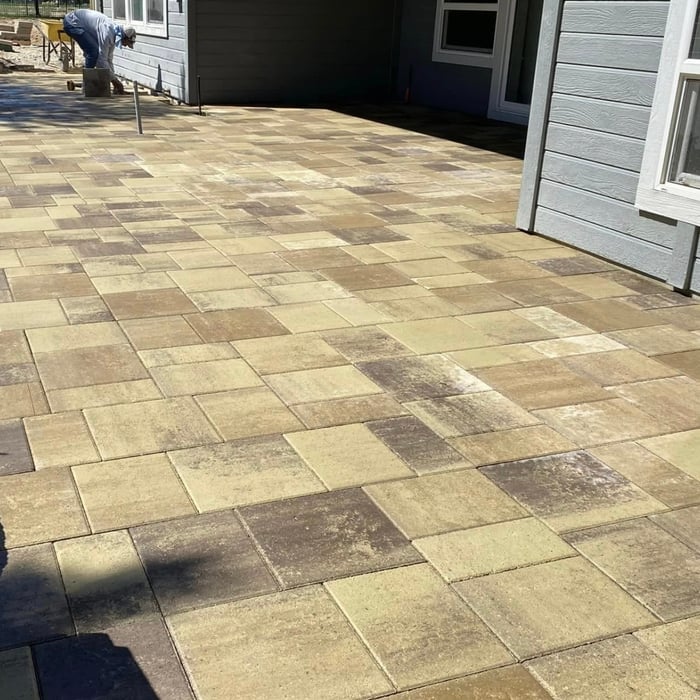
No, you shouldn’t lay bricks directly on dirt. While it might seem like a shortcut, it leads to a patio that shifts, sinks, and becomes a maintenance headache. Dirt expands, contracts, and erodes—none of which mix well with long-term stability. To build something that lasts, excavate the topsoil, compact a layer of crushed gravel, and add a coarse sand-setting bed. This layered base gives your bricks proper support, allows drainage, and helps block weeds from creeping through. Cutting corners here just means you’ll spend more time—and money—repairing your brick patio later.
Painted exterior brick does not usually need sealing. Brick is a porous material, so you don’t want to apply a sealant that could trap moisture inside the bricks and cause erosion and structural damage. The risk of moisture-induced damage after sealing is higher in colder climates where trapped moisture can expand if it freezes. On the other hand, it makes sense to seal really old brick or kitchen backsplashes, where moisture from cooking can weaken the brick.
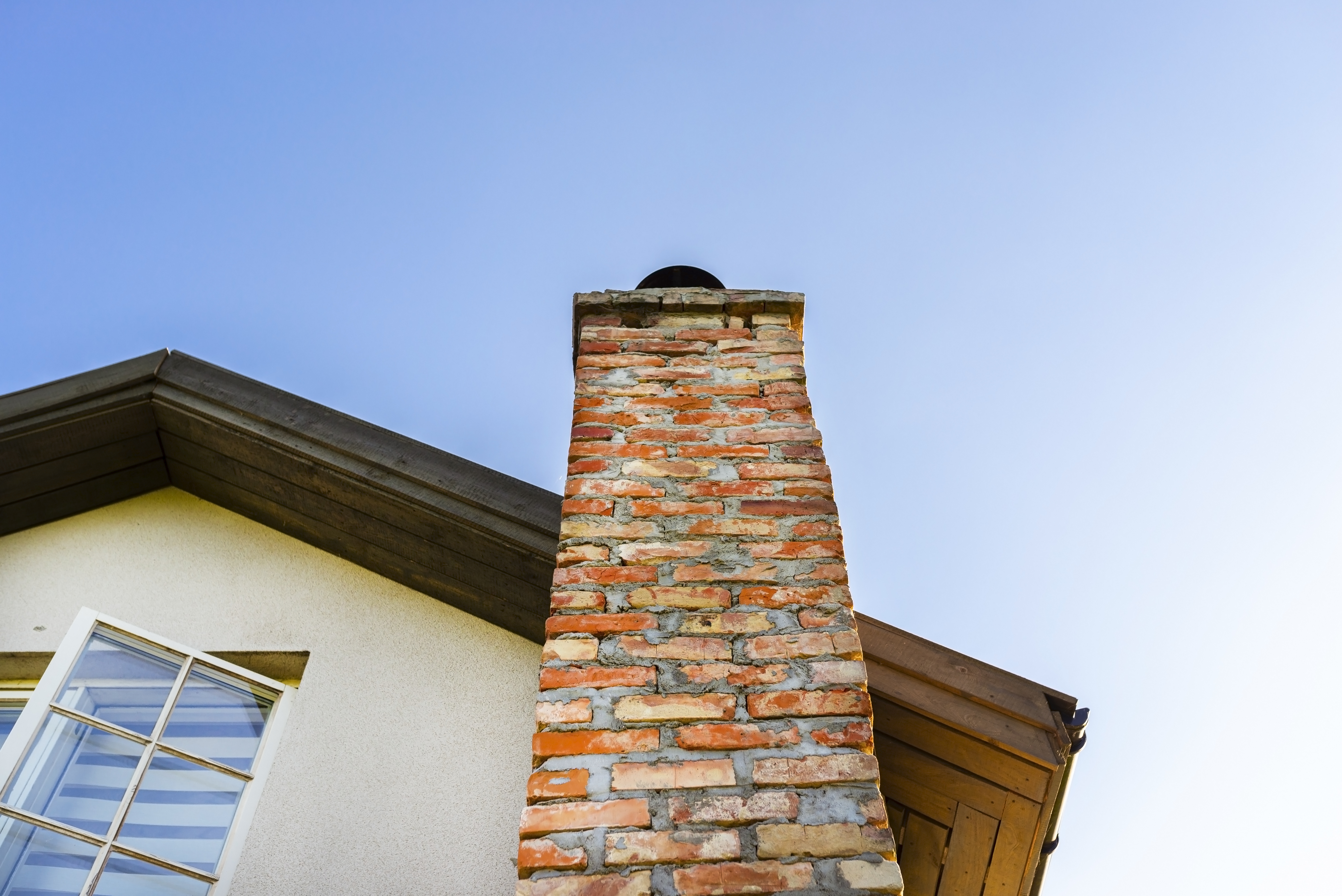
Yes, it is essential to prime or seal a brick fireplace before painting. Brick is a porous and highly absorbent material, so without a primer, paint can seep into the surface, resulting in uneven coverage and allowing the natural brick color to show through. To avoid this, apply one or two coats of a masonry primer. The primer will seal the brick and provide a smooth, uniform layer for the paint to adhere to. Ensure the primer is completely dry before applying the topcoat of paint.
The best way to clean creosote from brick is to hire a professional chimney sweep. However, you can use a creosote log to remove excess buildup between cleanings. You can also clean minor creosote buildup using dish soap or vinegar mixed with water.
You can turn a red brick white through a process called whitewashing. Whitewash isn’t a stain but rather is made from water and white latex paint. Adding more water to the mix will make the solution look lighter when applied, and adding more paint will make it look more white.
The Romoland, CA homeowners’ guide to masonry services
From average costs to expert advice, get all the answers you need to get your job done.
Door or window lintel replacement costs $400 on average, but there are ways you can save. On the other hand, complicated work will increase costs considerably.
This guide features information on the costs to repair a brick wall, whether or not you need a brick mason to complete spalling, tuckpointing, or a full restoration.
Need to repoint brick in your home to make your home look fresh and new? Use this guide to repointing brick cost to price out your project before starting.
Discover the wide variety of masonry materials for your next home upgrade project. Our guide covers the different types of materials to choose from and more.
When it comes to masonry versus concrete, it can be easy to confuse the two. Use this guide to learn about the differences in appearance, strength, and more.