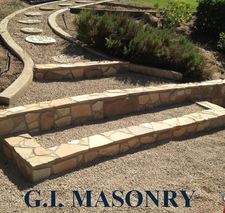
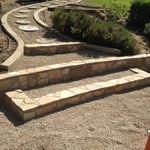
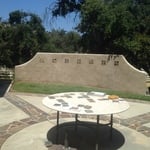
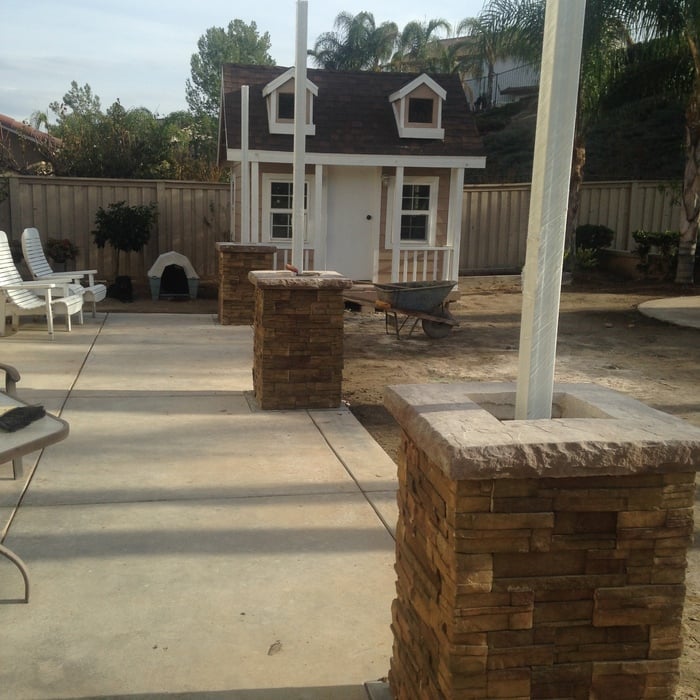
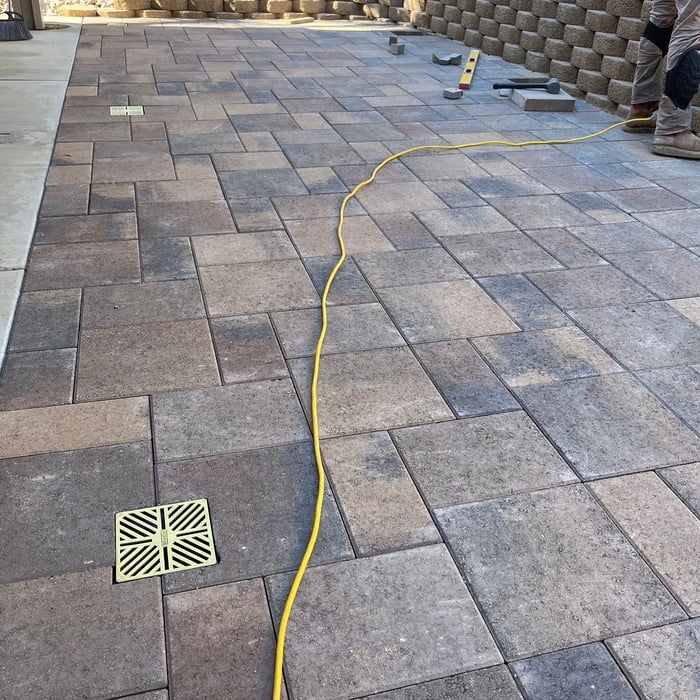
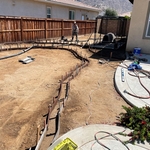
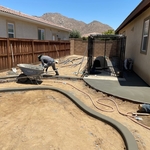
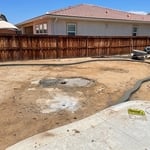
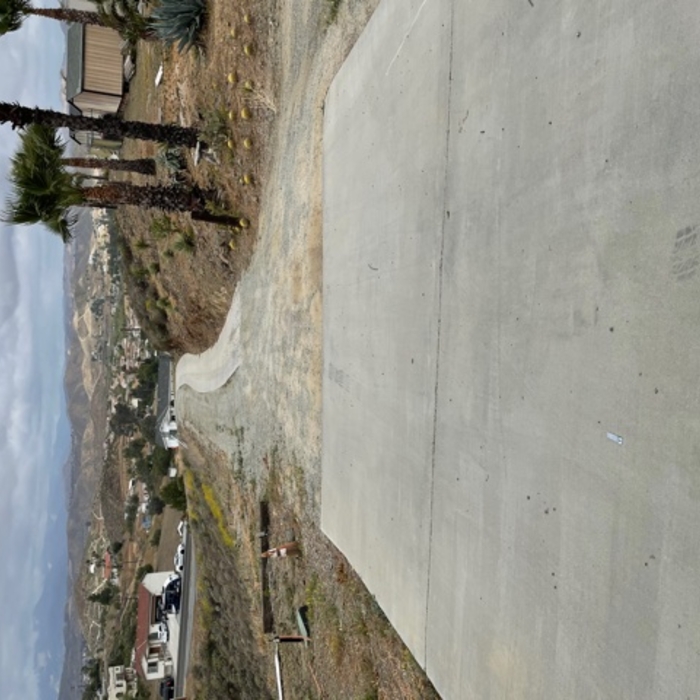
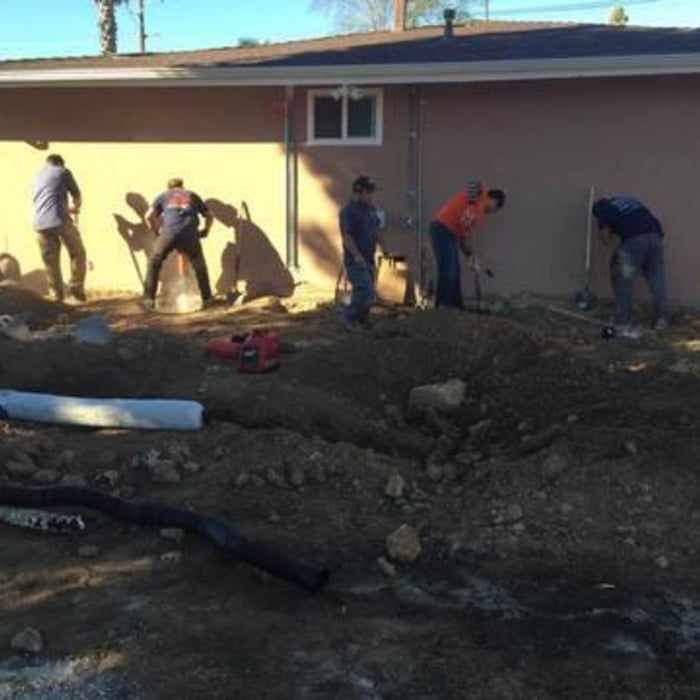
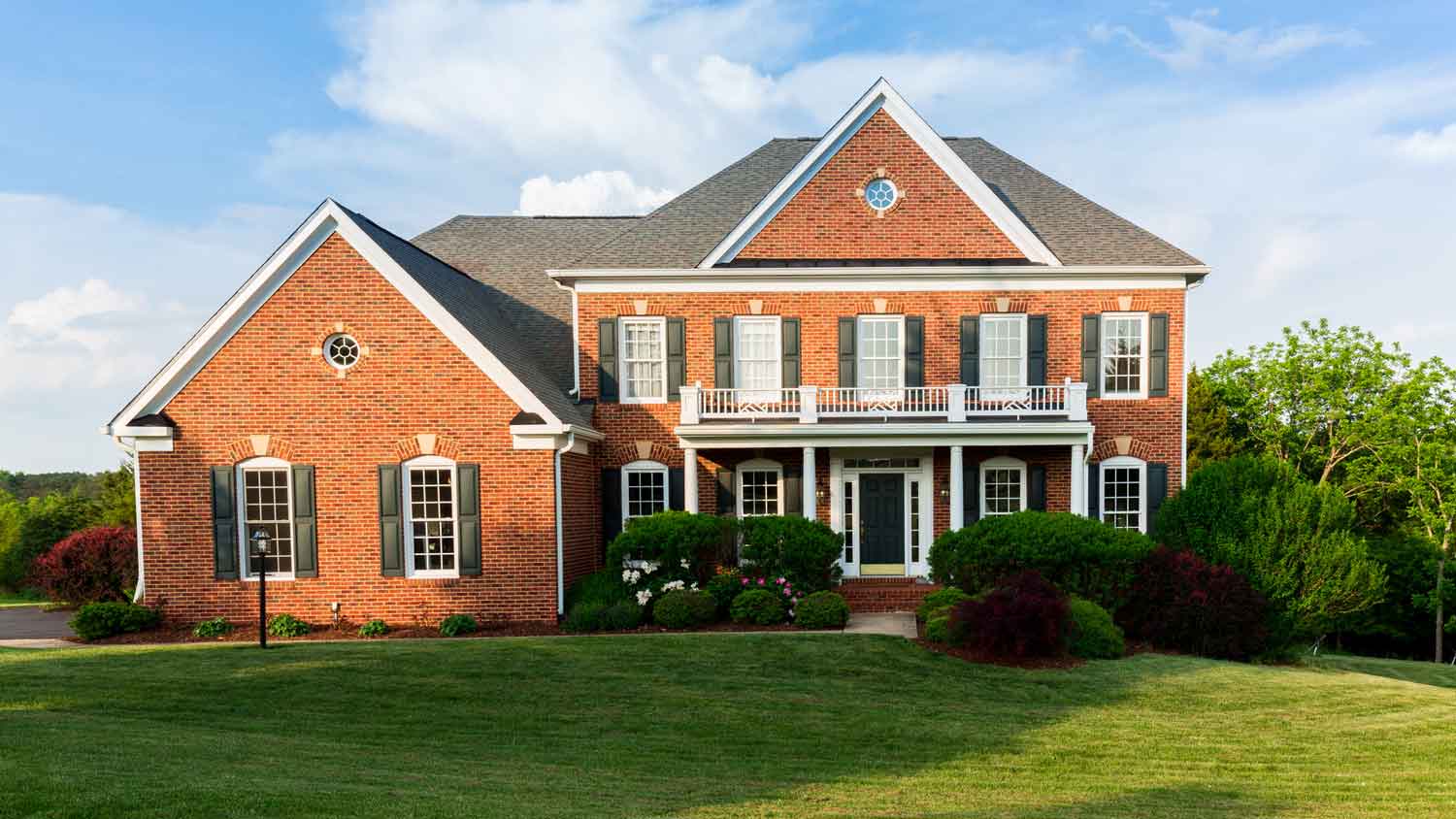
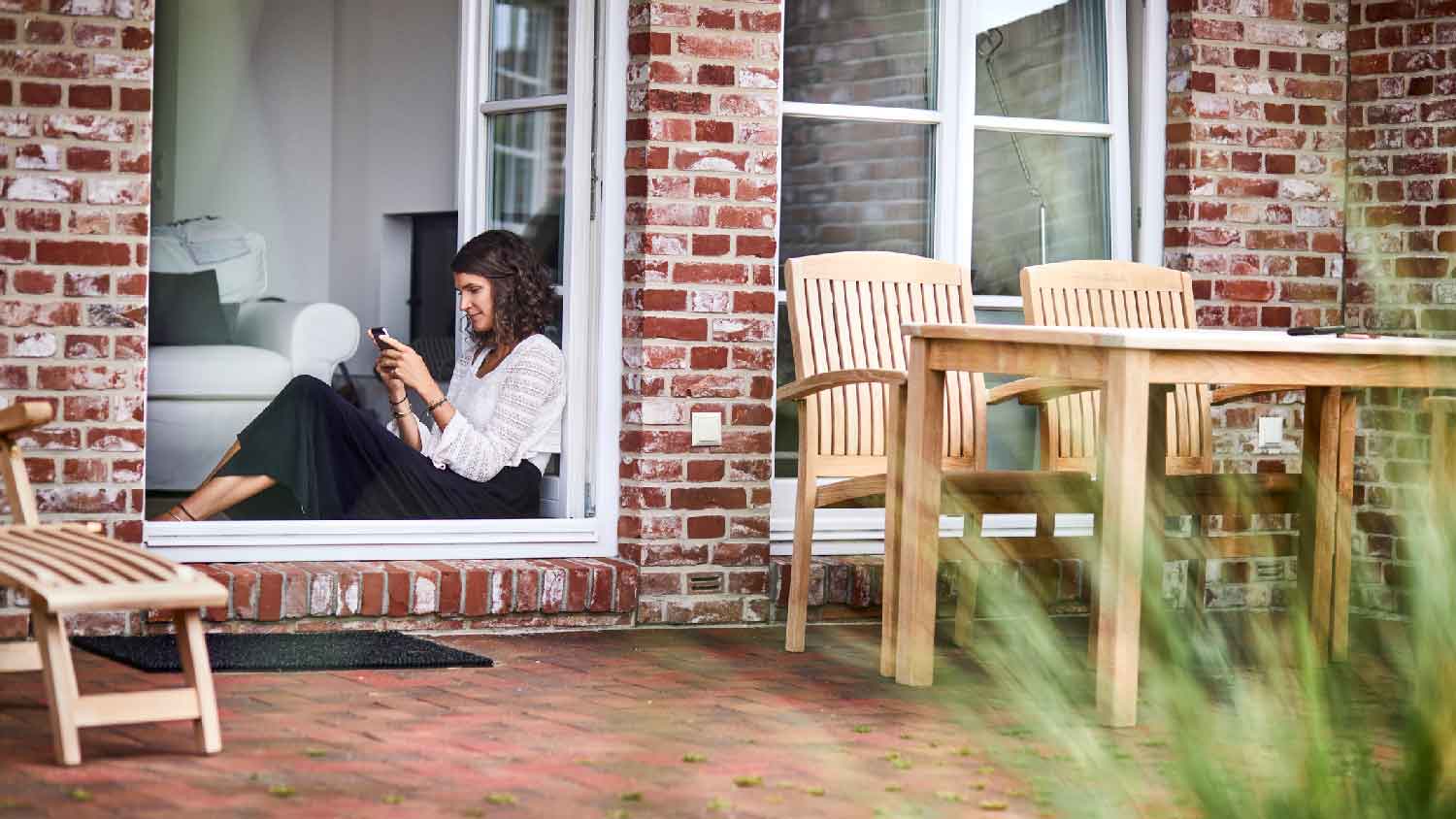
"Awesome company, amazing job from the crew that worked on the brick walls of our home. My husband and I were aware of everything that was going on at all times, and Tony has been wonderful, along with the crew who was very respectful and friendly. The work is outstanding and exceeds our expectations. We will definitely keep them in mind for future projects and highly recommend G.I. Masonry."
"The best contractor ever. Very professional with an upbeat friendly personality. He did everything he said he would and more. His crew was the same. I highly recommend Andrew Cotter of Cotter Concrete."
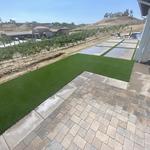
"They were amazing and very quick to get done. My lawn looks amazing! It’s so pretty that it looks like a beautiful picture from a book. All my sprinklers are all working again and my valves are not leaking anymore. I’m very happy with the results."
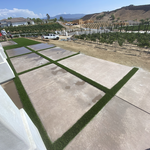
"I recently hired Just Stamping Concrete for a landscaping project, and I must say that I was blown away by their work. Their team is highly skilled and knowledgeable, and they truly transformed my outdoor space into a beautiful oasis."
"Their technician did an excellent inspection job: he crawled under the house, took photos, and did a very precise measurement of the house level. However, Saber doesn't replace steel girders under what are called "Princess homes". They can do jack replacement and leveling, but first I need a rusted steel girder replaced, for which I must hire a different foundation contractor."
It’s called cobblestone because it’s made of stones that are “cobbed” together. A cob is a term that refers to rounded lumps. Originally, cobblestone streets were made from pebbles and stones gathered from riverbeds that had been rounded over time by the passage of water. The term has nothing to do with a cobbler, which is the term for someone who makes and fixes shoes.
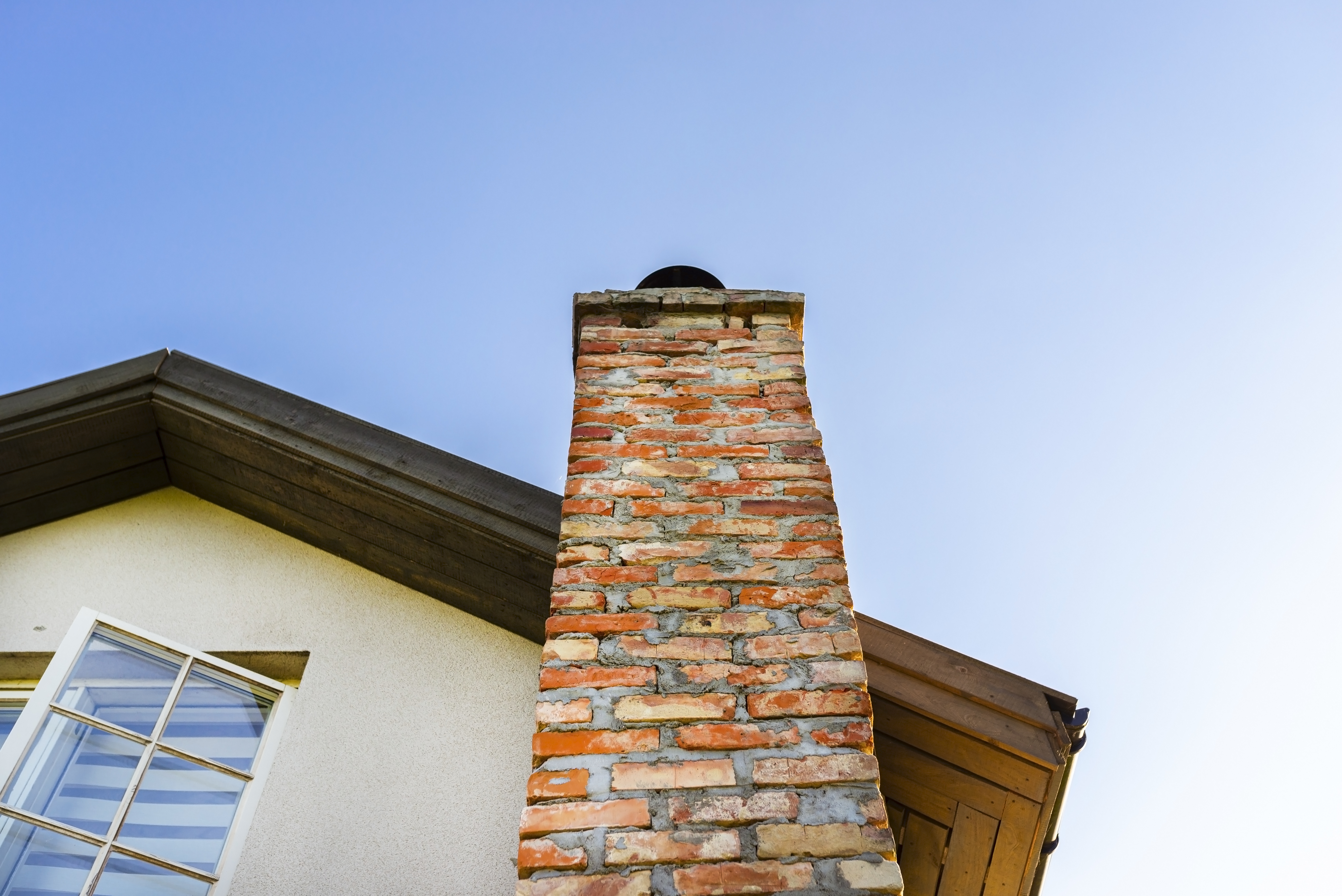
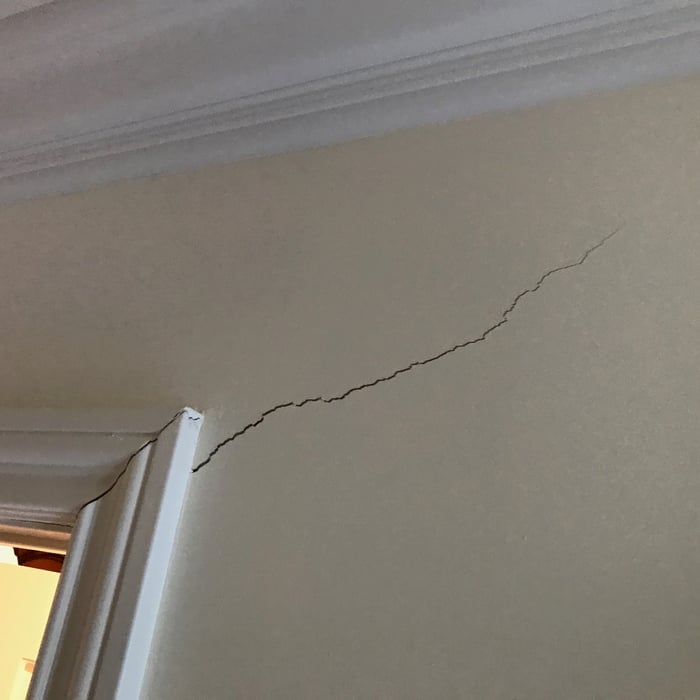
You should worry about brick wall cracks when they are wide and growing, or in a horizontal or stair-step pattern. Additionally, they may be accompanied by other signs of structural stress. In these cases, a foundation specialist should inspect your home.
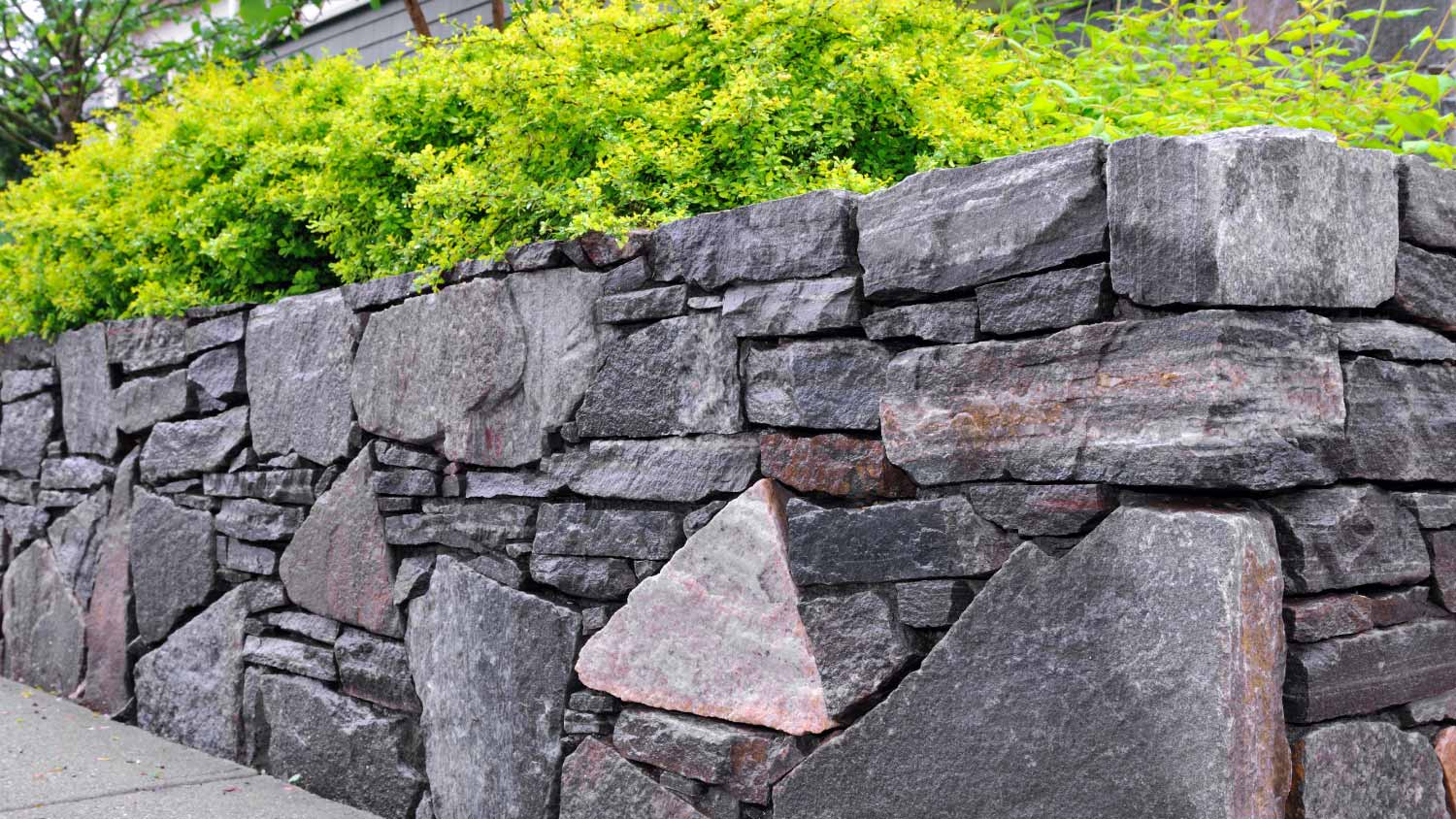
Real stone is exactly what it sounds like: It’s real stone sourced from the earth without additives. It is durable and unique, but it’s difficult to work with because of its weight, challenge in sourcing, and high cost. Stone veneer mimics the look of real stone but is actually engineered with a mixture of Portland cement, natural minerals, and a colorant. While it’s more affordable and easier to work with, it’s less durable and may appear manufactured to the trained eye.
Granite is the strongest commercially available stone houses are built from. It’s also more commonly available, which means transport costs aren’t as high because a granite quarry isn’t too far from a build site. Limestone and sandstone are popular materials as well, but they aren’t as strong or weather-resistant as granite.
Brick and stone are durable, low-maintenance materials that offer excellent insulation, aesthetic appeal, and can increase property value.
The Quail Valley, CA homeowners’ guide to masonry services
From average costs to expert advice, get all the answers you need to get your job done.
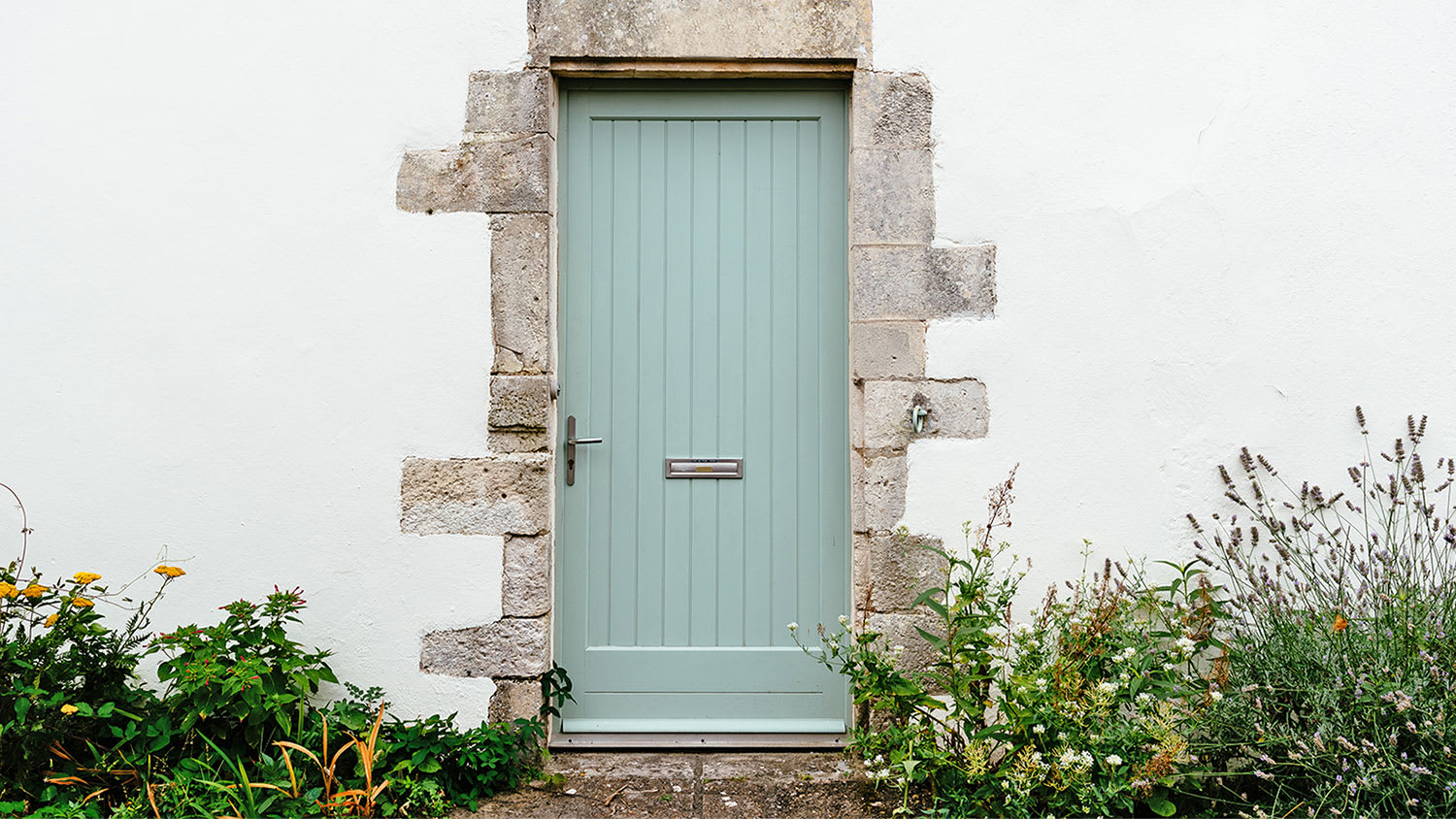
Door or window lintel replacement costs $400 on average, but there are ways you can save. On the other hand, complicated work will increase costs considerably.
Need to repoint brick in your home to make your home look fresh and new? Use this guide to repointing brick cost to price out your project before starting.
This guide features information on the costs to repair a brick wall, whether or not you need a brick mason to complete spalling, tuckpointing, or a full restoration.
Discover the wide variety of masonry materials for your next home upgrade project. Our guide covers the different types of materials to choose from and more.
When it comes to masonry versus concrete, it can be easy to confuse the two. Use this guide to learn about the differences in appearance, strength, and more.