


Top-rated radon detection and reduction specialists.

Best radon detection and reduction specialists near Plymouth, CA

Enter your zip and get matched with up to 5 pros

Need a pro for your radon detection and reduction project in Plymouth, CA?

Select your specific project to find the pro for you.

Top-Rated Radon detection and reduction specialists in Plymouth - Updated Nov 2026

Avatar for MG Remediation, Inc.
MG Remediation, Inc.
3.3(
8
)
Radon Gas - Abatement

Serving Plymouth, CA and surrounding areas

Approved

In business since 1986

Free estimates

Customers say: Quick response

"Peter and his team at MG Remediation are professionals. They did everything they told me they would do and the radon levels dropped significantly. Great communication, too, which always matters."
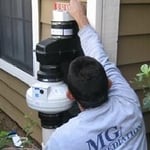
Vapor Intrusion for VOC and Radon
 Cleaning
 Cleaning
Testing
Testing & Abatement

+4

Response time4 days
Recommended by80%of homeowners

Bona Fide Property Inspections
New to Angi
Radon Gas - Testing

Serving Plymouth, CA and surrounding areas

Small jobs welcome

Credit card accepted

Offers commercial services

At Bona Fide Property Inspections, we believe that every property deserves a thorough and honest evaluation. Founded by licensed professional engineer Kirk LuMaye and construction industry professional Jeremy Karr, our company offers in-depth home inspections rooted in over a decade of forensic engineering, fire investigation and building systems expertise. We serve buyers, sellers, and homeowners with detailed, easy-to-understand reports that highlight what matters most—so you can make confident decisions with peace of mind. Whether you're purchasing your first home or managing an investment property, you can count on Bona Fide Property Inspections for integrity, precision, and professionalism on every inspection.

Radon Detection and Reduction FAQs, answered by experts

The natural breakdown of uranium in soil, rock, and water can cause radon to appear in a home. The gas seeps into homes through cracks in foundations, walls, or floors, as well as through gaps around pipes or construction joints. Radon levels are influenced by soil composition, building materials, and ventilation. Poorly sealed or airtight homes can trap radon, allowing it to accumulate.

Radon enters your home when warm air begins to rise and exits through the roof, creating a vacuum that pulls cooler air from under the foundation. Part of that air is radon, which is an invisible, odorless gas that develops naturally when radioactive particles are deep within the ground. Those particles usually come from decaying matter in soil and rocks.

The soil beneath your house is most likely what’s causing an increased level of radon. This is because soil holds radioactivity for a long time and it’s also what most buildings are built on. Another common source of radon is water from a source that hasn’t been through periodic radon tests, such as well water. Over time, the radon from the soil can inhabit other parts of your house like the foundation or plumbing.

Ideally, no one will live in a house with elevated radon levels, as prolonged exposure increases the risk of serious health issues like lung cancer. However, homes with radon can be made safe through mitigation systems, such as active soil depressurization. Testing for radon regularly and addressing high levels helps ensure a safe living environment.

Mitigation reduces radon levels, protecting your health and complying with safety standards.

The Plymouth, CA homeowners’ guide to radon detection and reduction services

From average costs to expert advice, get all the answers you need to get your job done.