








Top-rated radon detection and reduction specialists.

Get matched with top radon detection and reduction specialists in Pioneer, CA

Enter your zip and get matched with up to 5 pros

Need a pro for your radon detection and reduction project in Pioneer, CA?

Select your specific project to find the pro for you.

Find Radon detection and reduction specialists in Pioneer

Avatar for MG Remediation, Inc.
MG Remediation, Inc.
3.3(
8
)

Serving Pioneer, CA and surrounding areas

Approved

In business since 1986

Free estimates

Customers say: Quick response

"Peter and his team at MG Remediation are professionals. They did everything they told me they would do and the radon levels dropped significantly. Great communication, too, which always matters."
Vapor Intrusion for VOC and Radon
 Cleaning
 Cleaning
Testing
Testing & Abatement

+4

Response time4 days
Recommended by80%of homeowners

Radon Detection and Reduction questions, answered by experts

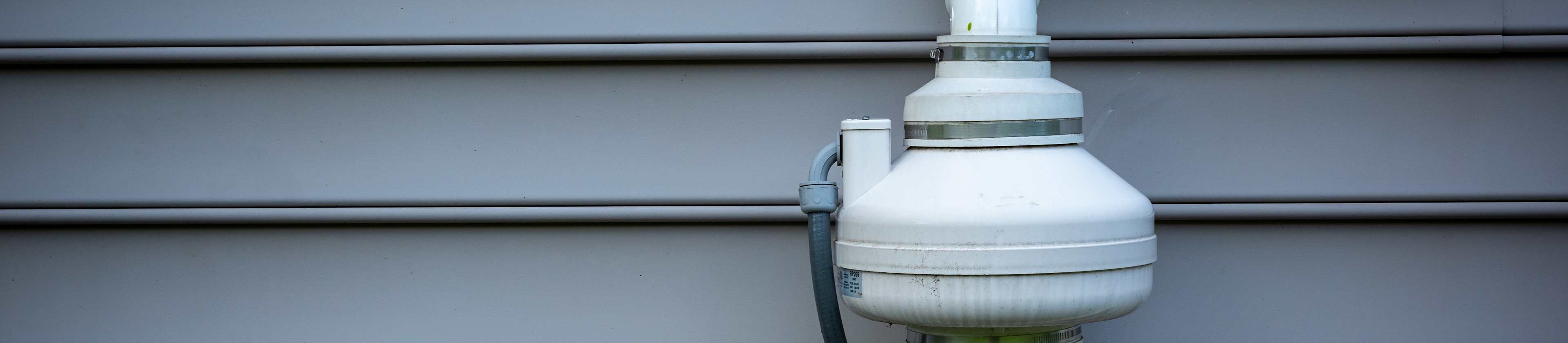
The cost to replace a radon fan ranges from $300 to $600 for the fan itself, with installation adding an additional $200 to $500. Overall, the total cost for replacement can range from $500 to $1,100, depending on factors such as the fan model, home size, and local labor rates. If the fan is part of a larger radon mitigation system, the price may be higher.

Ideally, no one will live in a house with elevated radon levels, as prolonged exposure increases the risk of serious health issues like lung cancer. However, homes with radon can be made safe through mitigation systems, such as active soil depressurization. Testing for radon regularly and addressing high levels helps ensure a safe living environment.

There are steps you can take as a homeowner to remediate radon yourself. While a radon reduction professional can make the biggest impact in your home, you can make efforts to improve radon levels on your own by sealing cracks, increasing ventilation, and testing for radon regularly.

The lifespan of a radon mitigation system depends on the type of system and its maintenance. With proper care, a system can last for many decades. Passive systems tend to last longer as they have fewer components that require replacement. Active systems, which have more moving parts like fans, generally have a shorter lifespan. For instance, water filtration devices and active pressurization systems require more frequent maintenance. While the system as a whole is durable, the radon fan in an active system typically has a lifespan of 5 to 10 years and will need to be replaced. As long as the fan is working, the mitigation system should function correctly.

Options include sub-slab depressurization, crawlspace ventilation, and sealing cracks. Choose based on home construction and radon levels.

The Pioneer, CA homeowners’ guide to radon detection and reduction services

From average costs to expert advice, get all the answers you need to get your job done.