

Top-rated radon detection and reduction specialists.

Get matched with top radon detection and reduction specialists in Pinon Hills, CA

Enter your zip and get matched with up to 5 pros

Need a pro for your radon detection and reduction project in Pinon Hills, CA?

Select your specific project to find the pro for you.

Find Radon detection and reduction specialists in Pinon Hills

Avatar for Roof Rx
Roof Rx
4.2(
1,190
)
Radon Gas - AbatementRadon Gas - Testing

Serving Pinon Hills, CA and surrounding areas

In business since 1998

Free estimates

Emergency services offered

"not that great. basically paid $99 to get an estimate. included cleaning roof and minimal repairs. took a while to get appointment, and then when they came, they didn't even do the work! gave a really big estimate and then re-seheduled to have someone else do the work. they wouldn't totally replace the roof, gave different estimates to repair, I went with a different company to do a full roof rplacement."

Additional Photos
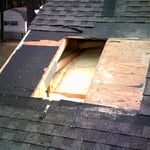
Roof Leak Repair - Step 1
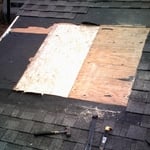
Roof Leak Repair - Step 2
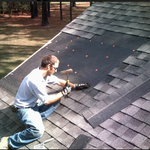
Roof Leak Repair
Recommended by81%of homeowners
Avatar for Simplistic Water Restoration
Simplistic Water Restoration
5.0(
5
)
Radon Gas - AbatementRadon Gas - Testing

Serving Pinon Hills, CA and surrounding areas

Free estimates

Emergency services offered

Credit card accepted

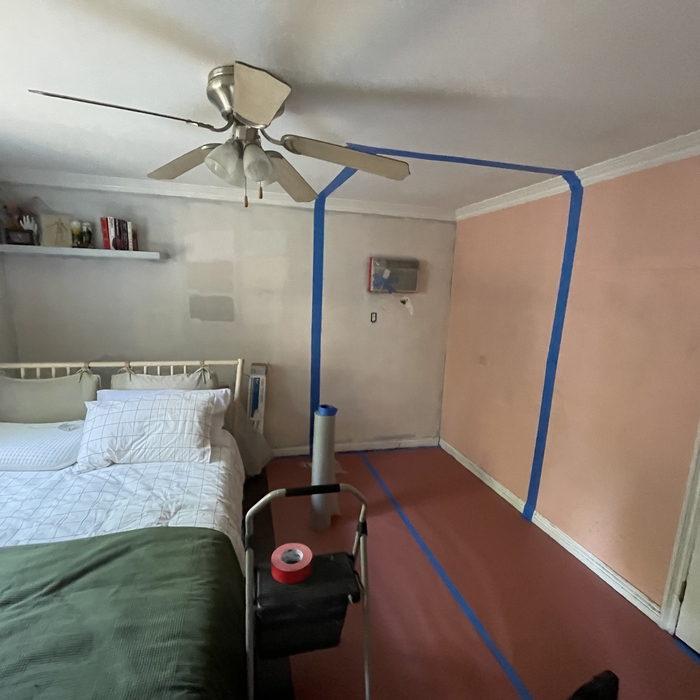
"They were very responsive, very quiet, very clean. They protected the house with sheeting and they took care of the paper works and testing and they make sure that it was tested and everything was up to code. They also help me to find out people to rebuild the kitchen."
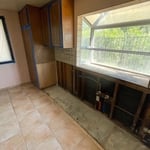
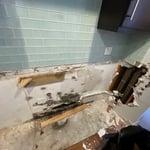
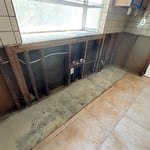
Mold remediation
Mold inspection & remediation
Mold remediation
Mold remediation
Mold remediation

+39

Recommended by100%of homeowners
Radon Detection and Reduction questions, answered by experts

You'll need to test your home for radon after installing the mitigation system, then again every two years. If radon remains elevated, contact a licensed radon professional, either the contractor who installed the system or a different one, and have them evaluate the system. They may need to make some changes to improve its effectiveness and performance.

Radon enters your home when warm air begins to rise and exits through the roof, creating a vacuum that pulls cooler air from under the foundation. Part of that air is radon, which is an invisible, odorless gas that develops naturally when radioactive particles are deep within the ground. Those particles usually come from decaying matter in soil and rocks.

No level of radon is technically safe, but since it is present everywhere, complete avoidance is impossible. The average radon level in homes across the United States is 1.3 picocuries per liter (pCi/L). The Environmental Protection Agency (EPA) recommends taking preventative measures if your home's radon levels are between 2 and 4 pCi/L or higher.

Keeping radon from getting into your home is much better than having to get rid of it once it's already indoors. While there may not be a way to fully prevent radon from getting into your home, there are things you can do to reduce the gas's ability to enter. 

Sealing foundation cracks and openings can help keep the gas from seeping inside. Improving air flow, such as by opening windows, can also be helpful. If you're building your home from scratch, talk to your contractor about using radon-resistant construction to keep the gas out.

Abatement includes sealing entry points and venting with systems that reduce radon levels below recommended EPA limits. It is handled by certified professionals.

The Pinon Hills, CA homeowners’ guide to radon detection and reduction services

From average costs to expert advice, get all the answers you need to get your job done.