




Top-rated radon detection and reduction specialists.

Get matched with top radon detection and reduction specialists in Hi Vista, CA

Enter your zip and get matched with up to 5 pros

Need a pro for your radon detection and reduction project in Hi Vista, CA?

Select your specific project to find the pro for you.

Find Radon detection and reduction specialists in Hi Vista

Avatar for Radon Solutions California, LLC
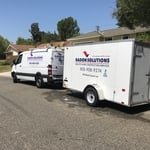
Radon Solutions California, LLC
4.4(
8
)
Radon Gas - AbatementRadon Gas - Testing

Serving Hi Vista, CA and surrounding areas

Approved

In business since 2021

Free estimates

Credit card accepted

"Absolutely amazing experience. My home radon levels were averaging 5.0 pCi/L. Two days after Edward and his team finished the mitigation job the levels went down to 0.3. Incredible result. I can’t be happier."
Radon Fans
Response time2 days
Recommended by100%of homeowners

Avatar for Restoration Hunter
Restoration Hunter
5.0(
3
)
Radon Gas - Testing

Serving Hi Vista, CA and surrounding areas

Approved

In business since 2022

Free estimates

Warranties offered

"He was friendly, very professional, and answered all my questions clearly about how mold happens in a home. His reasonable estimate and scope of work. What are the steps for mold remediation? Furthermore, I had delicate items around the work area. He was very successful in making sure that nothing was damaged. "Think floor demolition in a China shop" where none of the dishes gets broken. I highly recommend restoration Hunter if you have to deal with mold in the home."
1 neighbors recently requested a quote
Recommended by66%of homeowners
Radon Detection and Reduction questions, answered by experts

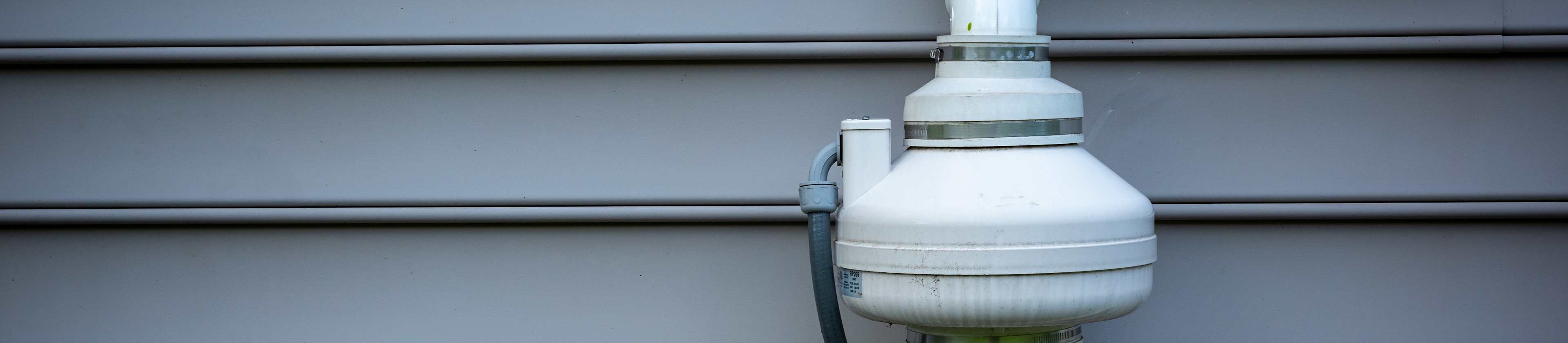
The cost to replace a radon fan ranges from $300 to $600 for the fan itself, with installation adding an additional $200 to $500. Overall, the total cost for replacement can range from $500 to $1,100, depending on factors such as the fan model, home size, and local labor rates. If the fan is part of a larger radon mitigation system, the price may be higher.

Radon is a cancer-causing radioactive gas that poses serious health risks, infiltrating homes through foundation cracks and unnoticed spaces.

The lifespan of a radon mitigation system depends on the type of system and its maintenance. With proper care, a system can last for many decades. Passive systems tend to last longer as they have fewer components that require replacement. Active systems, which have more moving parts like fans, generally have a shorter lifespan. For instance, water filtration devices and active pressurization systems require more frequent maintenance. While the system as a whole is durable, the radon fan in an active system typically has a lifespan of 5 to 10 years and will need to be replaced. As long as the fan is working, the mitigation system should function correctly.

Keeping radon from getting into your home is much better than having to get rid of it once it's already indoors. While there may not be a way to fully prevent radon from getting into your home, there are things you can do to reduce the gas's ability to enter. 

Sealing foundation cracks and openings can help keep the gas from seeping inside. Improving air flow, such as by opening windows, can also be helpful. If you're building your home from scratch, talk to your contractor about using radon-resistant construction to keep the gas out.

You'll need to test your home for radon after installing the mitigation system, then again every two years. If radon remains elevated, contact a licensed radon professional, either the contractor who installed the system or a different one, and have them evaluate the system. They may need to make some changes to improve its effectiveness and performance.

The Hi Vista, CA homeowners’ guide to radon detection and reduction services

From average costs to expert advice, get all the answers you need to get your job done.