





Top-rated radon detection and reduction specialists.

Get matched with top radon detection and reduction specialists in Patterson, CA

Enter your zip and get matched with up to 5 pros

Need a pro for your radon detection and reduction project in Patterson, CA?

Select your specific project to find the pro for you.

Find Radon detection and reduction specialists in Patterson

Avatar for SafeTerraSolutions
SafeTerraSolutions
New to Angi

Serving Patterson, CA and surrounding areas

Free estimates

Small jobs welcome

Credit card accepted

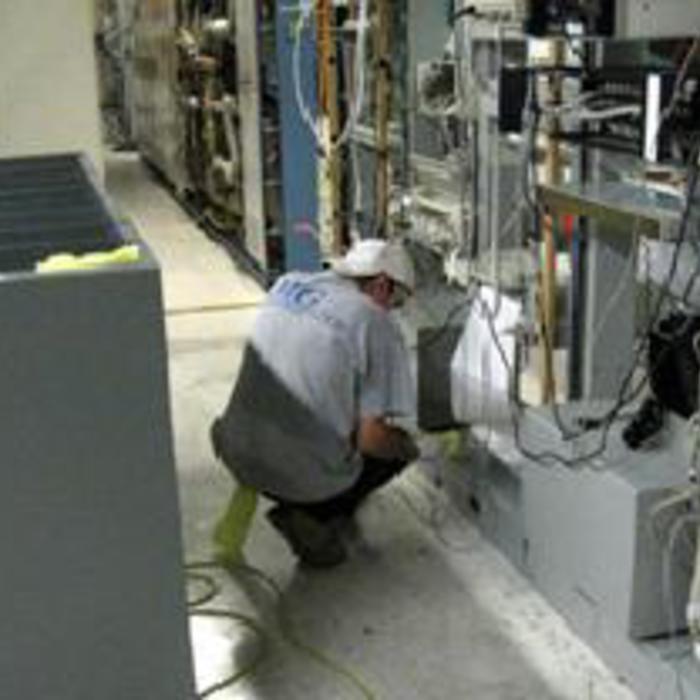
Here at SafeTerraSolutions we have trained Environmental Scientists and skilled Home Inspectors that will identify any problems within your home. From Air quality to a leaky pipe, we are your one stop shop for total home inspections.

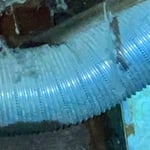
Ducting out of Code
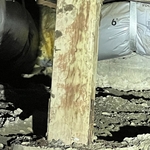
Foundation pillar
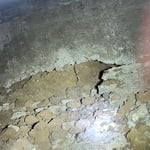
Foundation Crack
Radon Detection and Reduction questions, answered by experts

Ideally, no one will live in a house with elevated radon levels, as prolonged exposure increases the risk of serious health issues like lung cancer. However, homes with radon can be made safe through mitigation systems, such as active soil depressurization. Testing for radon regularly and addressing high levels helps ensure a safe living environment.

Radon is present almost everywhere but, like sunlight, the concentration levels and how often you are exposed to it have a large part to play in just how dangerous it is. There are levels of radon that are acceptable inside a house, but above a certain limit, radon becomes a serious radioactive hazard that is a known cause of lung cancer. In fact, radon exposure is the number two leading cause of lung cancer (after smoking).

Use a radon test kit or hire professionals to conduct a detailed assessment of radon levels in your home.

You'll need to test your home for radon after installing the mitigation system, then again every two years. If radon remains elevated, contact a licensed radon professional, either the contractor who installed the system or a different one, and have them evaluate the system. They may need to make some changes to improve its effectiveness and performance.

Your radon mitigation system may be loud because it’s time to replace it. Any sounds are usually from the inline fan that helps create the vacuum and resulting airflow. If you hear a new, loud mechanical or humming noise from your radon fan, it might be time to replace it. Most fans used in radon mitigation systems last up to 10 years, but may need to be replaced sooner.

The Patterson, CA homeowners’ guide to radon detection and reduction services

From average costs to expert advice, get all the answers you need to get your job done.

What do you need done? We’ll find top pros.
  • 🌱 "Mow a small front yard"
  • 🛠 "Fix a leaking pipe under the sink"
  • 🏠 "Repair shingles on an asphalt roof"