





Top-rated sump pump installation pros.

Get matched with top sump pump installation pros in McClellan Park, CA

Enter your zip and get matched with up to 5 pros

Need a pro for your sump pump installation project in McClellan Park, CA?

Select your specific project to find the pro for you.

TRUSTED BY MCCLELLAN PARK, CA HOMEOWNERS

  • Average homeowner rating star icon4.5
    Average homeowner rating
  • Verified reviews icon2.1k+
    Verified sump pump installation services reviews
Sump Pump Installation questions, answered by experts

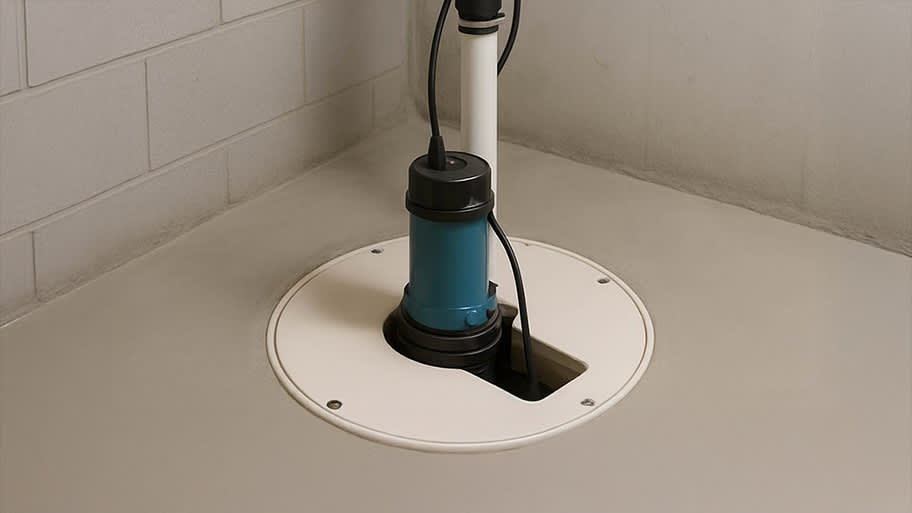
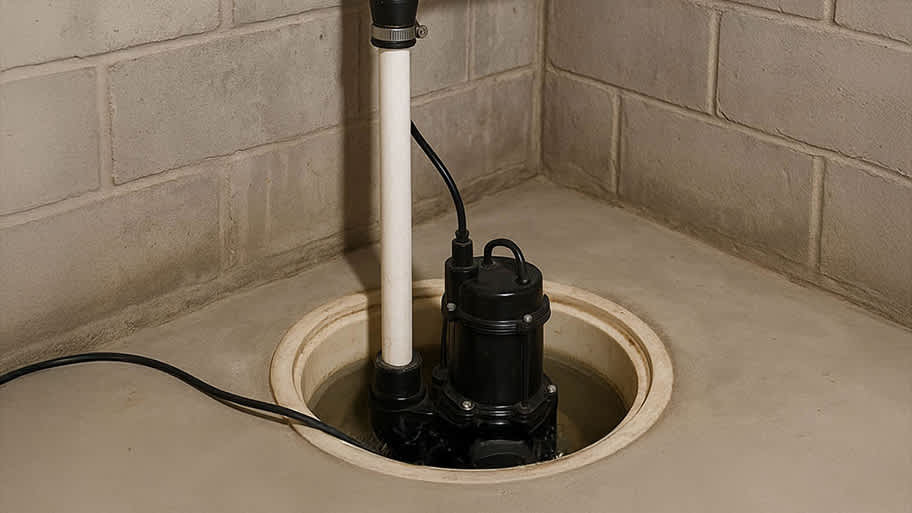
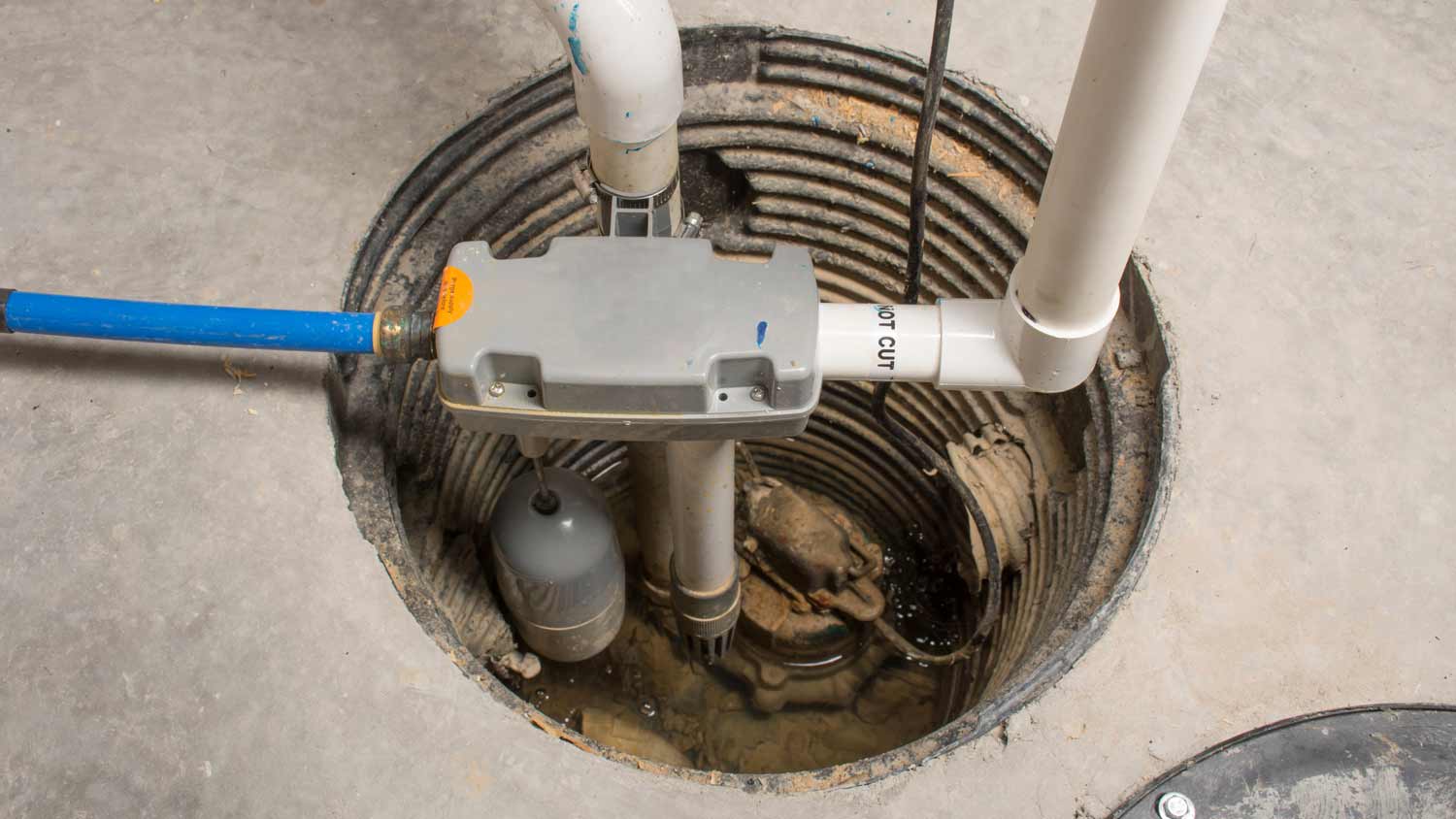
Yes, it’s normal (and beneficial) to have a small amount of water in the bottom of your sump pit. It shows that your system is collecting groundwater, rain, and excess water from around your property—just like it’s supposed to. However, if the sump pit is always full, you might have a leak or a faulty sump pump.

A small sump pump running infrequently uses an average of 10 kilowatt-hours (kWh) of electricity per month. The average cost for electricity is $0.171 per kWh. The size and use frequency affect how much electricity it uses. Sump pumps average one-third to one horsepower (hp) motors. One hp is equal to 745.7 watts. Watts multiplied by the time your pump is running divided by 1,000 equals your average kWh. Multiply kWh by your average cost of electricity. In areas with high rain or a marsh basin, the average cost can be as high as $15-$25 a month.

The most common cause of a clogged sump pump is natural debris buildup. As water enters the sump pit, it can carry small pieces of debris that build up over time, or the debris can get caught in the filter. If you forget to cover the pit after cleaning the sump pump and pit, debris can also collect in the pit. Corrosion on the metal discharge pipe can also clog the pump. Additionally, if your pipes freeze, it can prevent water from draining properly and cause a clog.

A sewage ejector pump is necessary if you have any plumbing fixtures, such as a bathroom, laundry room, or sink, located below the level of your home's main sewer line. Standard plumbing relies on gravity to move wastewater and solid waste to the municipal sewer or septic tank. However, for fixtures located below grade (e.g., in a basement), gravity is not sufficient.

The purpose of a sewage ejector pump is to actively pump this wastewater and solid waste upward into the main sewer line. Without an ejector pump in this situation, wastewater would have no way to exit and would eventually back up, causing a sewage overflow or flooding in your basement. If all of your home's plumbing is on the main floor or higher, gravity can handle the drainage, and an ejector pump is not needed.

In most cases, standard homeowners insurance policies do not cover damage from a sump pump failure or overflow. Coverage for water damage is often limited to sudden, unexpected events like a burst pipe that was not caused by negligence. To be covered for sump pump issues, you will likely need to purchase a specific rider, endorsement, or additional water backup insurance. If your insurer offers this type of coverage, they may require proof that your sump pump is regularly maintained.

The McClellan Park, CA homeowners’ guide to sump pump installation services

From average costs to expert advice, get all the answers you need to get your job done.

What do you need done? We’ll find top pros.
  • 🌱 "Mow a small front yard"
  • 🛠 "Fix a leaking pipe under the sink"
  • 🏠 "Repair shingles on an asphalt roof"