



Top-rated radon detection and reduction specialists.

Get matched with top radon detection and reduction specialists in Lodi, CA

Enter your zip and get matched with up to 5 pros

Need a pro for your radon detection and reduction project in Lodi, CA?

Select your specific project to find the pro for you.

Find Radon detection and reduction specialists in Lodi

Avatar for MG Remediation, Inc.
MG Remediation, Inc.
3.3(
8
)

Serving Lodi, CA and surrounding areas

Approved

In business since 1986

Free estimates

Customers say: Quick response

"Peter and his team at MG Remediation are professionals. They did everything they told me they would do and the radon levels dropped significantly. Great communication, too, which always matters."
Vapor Intrusion for VOC and Radon
 Cleaning
 Cleaning
Testing
Testing & Abatement

+4

Response time4 days
Recommended by80%of homeowners
Avatar for SafeTerraSolutions
SafeTerraSolutions
New to Angi

Serving Lodi, CA and surrounding areas

Free estimates

Small jobs welcome

Credit card accepted

Here at SafeTerraSolutions we have trained Environmental Scientists and skilled Home Inspectors that will identify any problems within your home. From Air quality to a leaky pipe, we are your one stop shop for total home inspections.

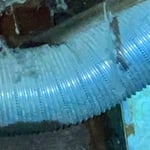
Ducting out of Code
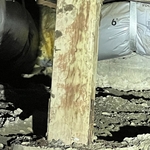
Foundation pillar
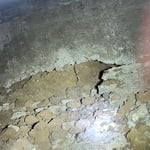
Foundation Crack
Radon Detection and Reduction questions, answered by experts

The cost for a radon mitigation system typically ranges from $800 to $1,500, with an average around $1,000. The final price depends on several factors, including the size of your home, the severity of the radon issue, and the type of system required. Your home's foundation type also significantly impacts the cost. For example, sealing and ventilating an unfinished basement might cost around $4,600, while encapsulating a crawl space without a foundation slab can range from $1,500 to $15,000.

Keeping radon from getting into your home is much better than having to get rid of it once it's already indoors. While there may not be a way to fully prevent radon from getting into your home, there are things you can do to reduce the gas's ability to enter. 

Sealing foundation cracks and openings can help keep the gas from seeping inside. Improving air flow, such as by opening windows, can also be helpful. If you're building your home from scratch, talk to your contractor about using radon-resistant construction to keep the gas out.

Your radon mitigation system may be loud because it’s time to replace it. Any sounds are usually from the inline fan that helps create the vacuum and resulting airflow. If you hear a new, loud mechanical or humming noise from your radon fan, it might be time to replace it. Most fans used in radon mitigation systems last up to 10 years, but may need to be replaced sooner.

Many radon fans carry a five-year manufacturer's warranty. That said, your radon fan should last between five and ten years. Regular inspections will ensure the fan is operating properly. Unusual or exceptional noise coming from the fan or indications on your manometer or system monitor can immediately tell you that something is amiss.

No level of radon is technically safe, but since it is present everywhere, complete avoidance is impossible. The average radon level in homes across the United States is 1.3 picocuries per liter (pCi/L). The Environmental Protection Agency (EPA) recommends taking preventative measures if your home's radon levels are between 2 and 4 pCi/L or higher.

The Lodi, CA homeowners’ guide to radon detection and reduction services

From average costs to expert advice, get all the answers you need to get your job done.