



Top-rated carpet installation pros.

Get matched with top carpet installation pros in La Quinta, CA

Enter your zip and get matched with up to 5 pros

Need a pro for your carpet installation project in La Quinta, CA?

Select your specific project to find the pro for you.

TRUSTED BY LA QUINTA, CA HOMEOWNERS

  • Average homeowner rating star icon4.6
    Average homeowner rating
  • Verified reviews icon32
    Verified carpet installation reviews

Find Carpet installation pros in La Quinta

Avatar for Carpet Time, Inc.
Carpet Time, Inc.
4.7(
19
)
Carpet - Install

Serving La Quinta, CA and surrounding areas

Approved

In business since 1989

Free estimates

Warranties offered

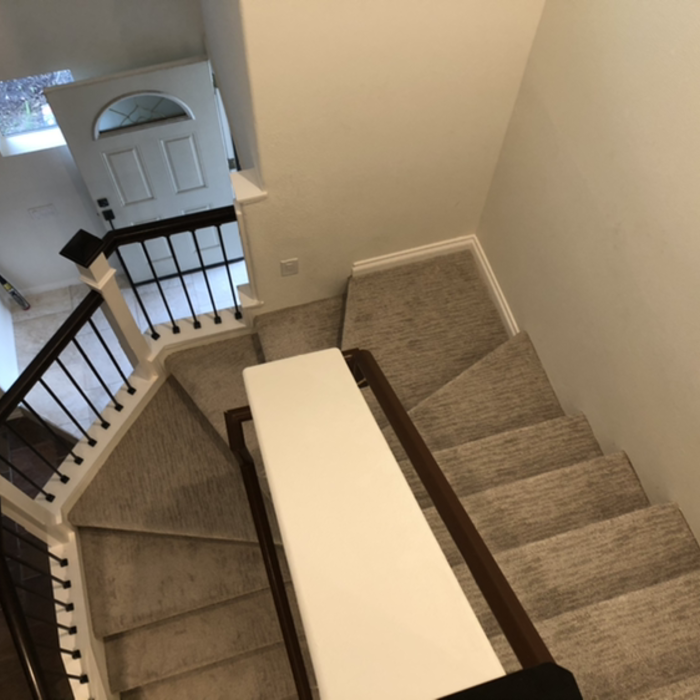
"We visited the business several times before deciding to purchase carpet there. The owner was professional and provided information without being pushy. He came to our house to measure and provide a quote. The installers were efficient and completed the job in a day. They did not charge to move the furniture (the other businesses we looked into did). We could probably have paid less at Home Depot or someplace similar, but we were interested in patronizing a small business that used their own employees to install the carpet instead of contracting out. The carpet was installed in September and we have been very happy with it. I would recommend Carpet Time highly."
Additional Photos
Additional Photos
Additional Photos
Additional Photos
Additional Photos

+6

1 neighbors recently requested a quote
Recommended by100%of homeowners
...
Showing 1-10 of 166
Carpet Installation questions, answered by experts

Yes, carpeted stairs are generally considered safer than stairs with hard surfaces like wood, vinyl, or tile. Carpet provides more traction and friction, which helps reduce the chances of slips and falls. Additionally, if a fall does occur, carpet offers more cushioning, which can lessen the severity of an injury. While hard surfaces can look great, they are often more slippery. However, it's worth noting that some carpets, especially if they are new, dirty, or have a slick texture, can also pose a slipping hazard. To improve safety on any type of stair surface, you can add traction treads to increase grip.

While it is possible to install carpet yourself, it is a challenging DIY project that requires precise measurement, proper cutting skills, and knowledge of correct installation techniques. The process involves multiple steps, including removing old flooring, installing underlayment and tack strips, and stretching the carpet to prevent wrinkles, which can take several days to complete.

Before starting, consider these factors:

  • Warranty: Many manufacturers' warranties are voided if the carpet is not installed by a professional.

  • Tools: You will need to buy or rent specialized equipment like a knee kicker, carpet stretcher, and seam roller.

  • Complexity: DIY installation is most suitable for simple, straightforward rooms. Projects involving stairs or floor vents are significantly more difficult.

  • Cost: While you can save on labor, the cost of tools plus the risk of expensive mistakes—which may require re-installation—can make hiring a professional more cost-effective in the long run.

Given the potential for errors, voided warranties, and the need for special tools, hiring a local carpet installer is often recommended to ensure the job is done correctly and safely.

You can expect your carpet protection to last about six months to two years. It will last longer in low-traffic areas (compared to busy areas, where your carpet experiences more wear and tear). Once the protector wears off, you’ll need to call your carpet contractor to reapply the stain protection treatment and revive your carpet

A 65-oz. carpet is good, and in many cases, it indicates a premium carpet. Most carpets for homes should fall in the range of 40 to 60 ounces for face weight. If a carpet has a 65-oz. face weight, it is likely more durable and long-lasting than a similar carpet with a lower face weight. Carpet face weight is just one factor in determining a carpet’s quality. 

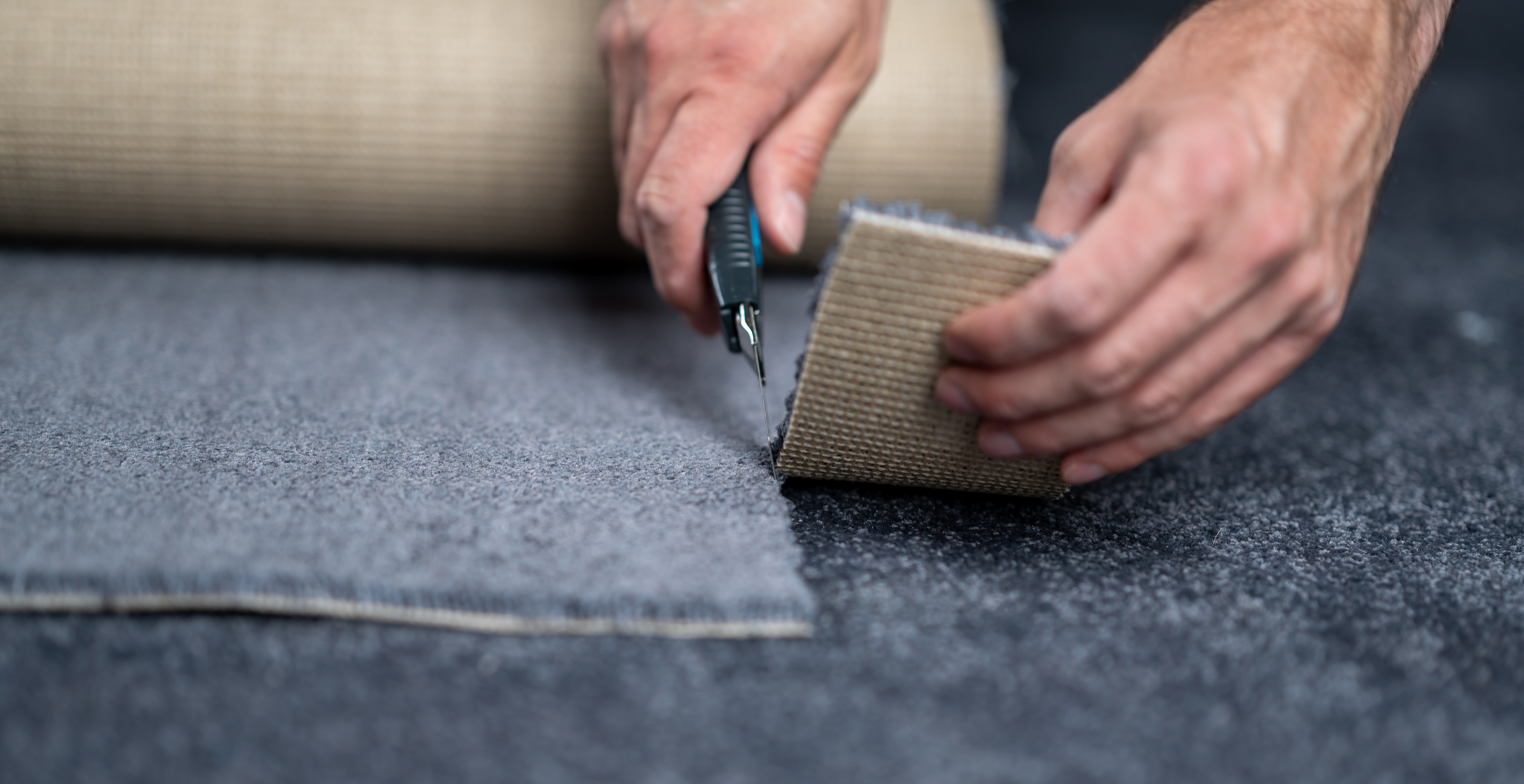
Installing carpet padding is mostly a matter of measuring the room and cutting the carpet pad to size with a utility knife. You can save some money on carpet installation costs by doing it yourself. Before installing the carpet padding, you should install the tack strips around the room’s perimeter and prepare the subfloor by cleaning and making any necessary repairs. Then, unroll the carpet pad and cut sections as needed. Staple the carpet pad to the subfloor along the edges, leaving the tack strips exposed.

The La Quinta, CA homeowners’ guide to carpet installation

From average costs to expert advice, get all the answers you need to get your job done.