



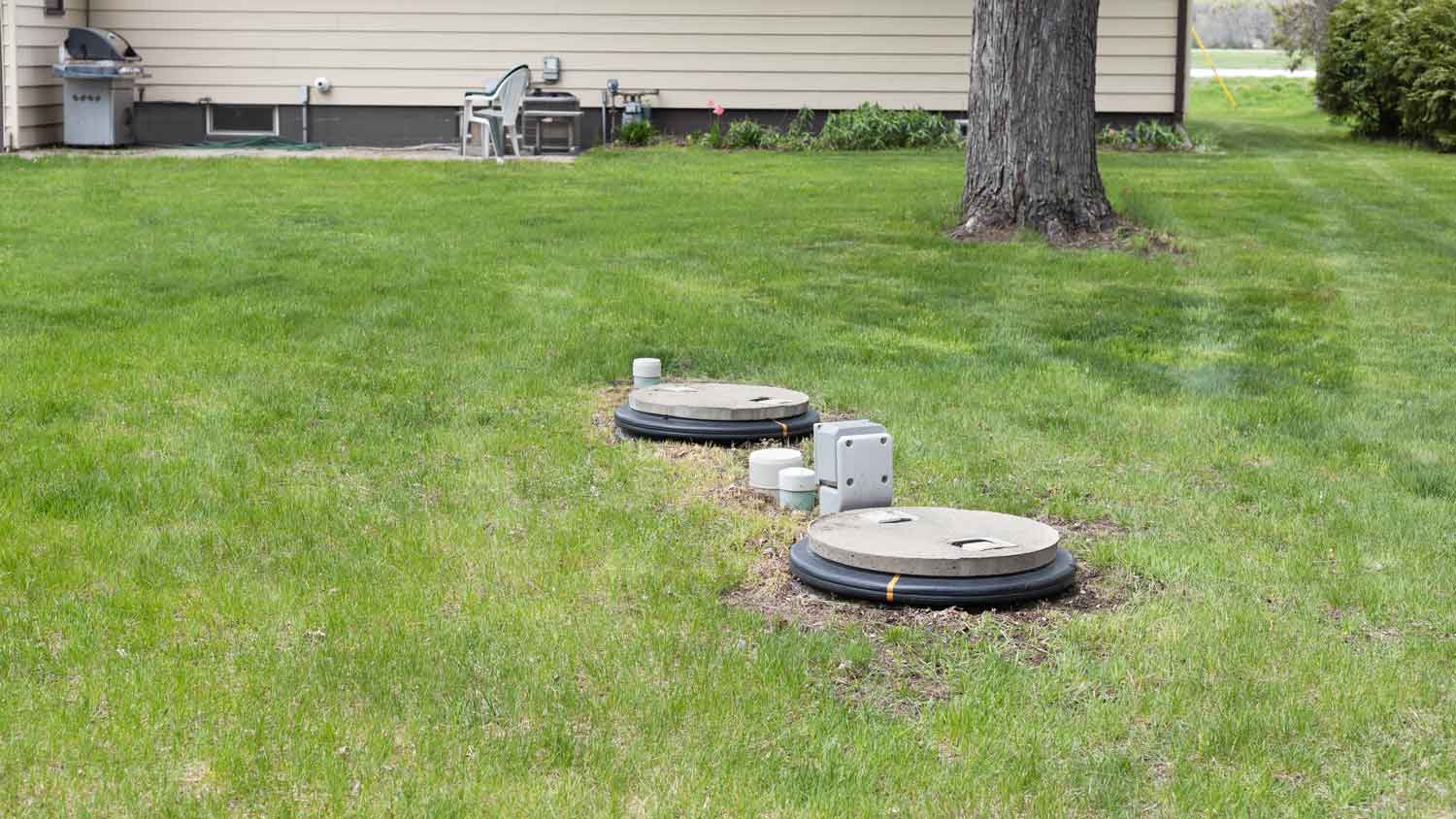
Top-rated percolation testing pros.

Best percolation testing pros near La Habra, CA

Enter your zip and get matched with up to 5 pros

Need a pro for your percolation testing project in La Habra, CA?

Select your specific project to find the pro for you.

TRUSTED BY LA HABRA, CA HOMEOWNERS

  • Average homeowner rating star icon4.6
    Average homeowner rating
  • Verified reviews icon1.5k+
    Verified percolation testing services reviews

Top-Rated Percolation testing pros in La Habra - Updated Nov 2026

No results for Percolation testing pro in

Try adjusting your search criteria.
Percolation Tests FAQs, answered by experts

Unlike some home problems, such as water damage or pest infestations, asbestos can be very difficult to spot. Asbestos is a mineral in the form of microscopic fibers and was previously used in building materials for its bonding and fireproofing abilities. Insulation, roof shingles, ceiling tiles, floor tiles, pipe wrappings, soundproofing materials, and textured paint features like popcorn ceilings are common sources of asbestos, particularly in homes built before 1980.

Age is perhaps the biggest indicator of asbestos, as legislation passed in the 1970s labeled asbestos as dangerous and regulated its use in building materials. Signs of age in the form of wear and tear or material degradation are also indicators that asbestos fibers may be leaking into the air, but ultimately, it’s difficult to detect with the naked eye. If you have reason to suspect asbestos in your home, it’s best to hire a certified asbestos inspector.

Clear the area for access and inform the testing team about the building’s history and renovations.

Bathroom tiles can contain asbestos, just the same as patio tiles or kitchen tiles. Remember that asbestos was used primarily for its insulative and fire-resistant properties, both of which are desired in a house. Before we knew asbestos caused cancers and other diseases, it made a lot of sense to include it in many different building materials, including bathroom tiles.

Asbestos-containing materials are not easily affected by water and do not disintegrate or dissolve when exposed to it. However, porous materials can deteriorate due to water exposure, leading to the release of asbestos fibers into the air. The settling of asbestos fibers can also occur as water makes them heavy, which reduces the risk of airborne exposure, though future disturbance of the materials could cause risk. Wetting asbestos-containing materials does not constitute safe removal, and the proper handling and disposal of asbestos materials should be left to professionals.

While asbestos can’t be directly absorbed through the skin—the fibers are too big—skin contact can still produce symptoms. Contact dermatitis can flare up in sensitive individuals but in most cases, the danger from asbestos comes from inhaling the fibers, or dust, that is produced when asbestos is disturbed. If you touch asbestos by accident, immediately wash yourself and your clothes.

The La Habra, CA homeowners’ guide to percolation testing services

From average costs to expert advice, get all the answers you need to get your job done.