




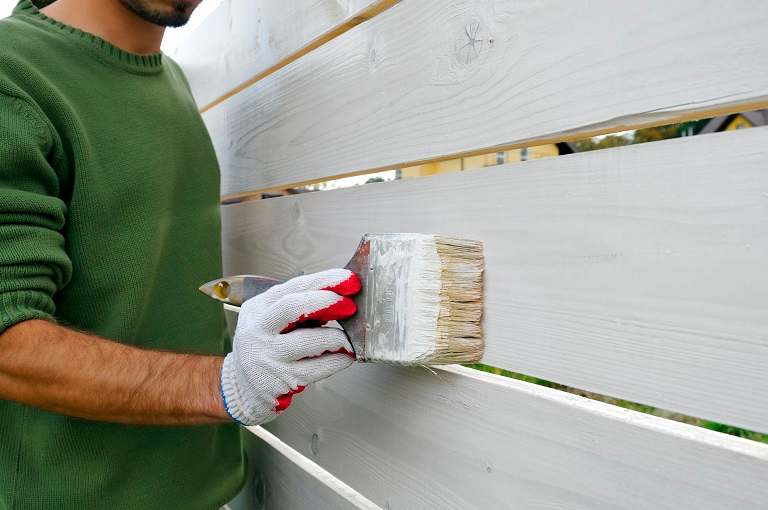
Top-rated fence painters.

Get matched with top fence painters in Ivanhoe, CA

Enter your zip and get matched with up to 5 pros

Need a pro for your fence painting project in Ivanhoe, CA?

Select your specific project to find the pro for you.

TRUSTED BY IVANHOE, CA HOMEOWNERS

  • Average homeowner rating star icon4.5
    Average homeowner rating
  • Verified reviews icon65
    Verified fence painting services reviews

Find Fence painters in Ivanhoe

No results for Fence painter in

Try adjusting your search criteria.
Fence Painting questions, answered by experts

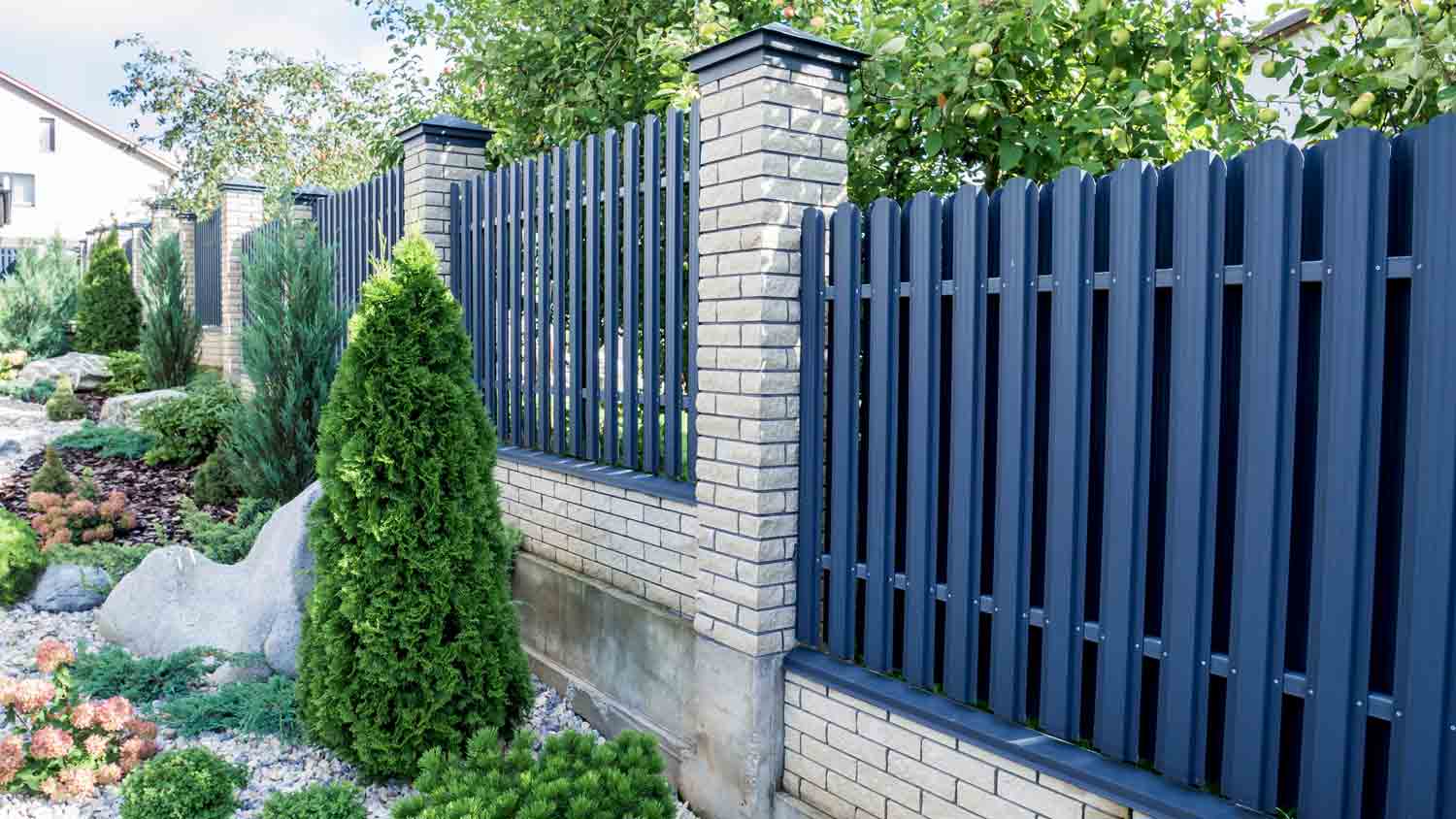
Shadowbox fence maintenance depends on the material. But for wood shadowbox fences, maintenance typically includes annual cleaning to prevent mold growth, resealing or staining every two to three years, and promptly replacing any damaged or rotted boards. Vinyl fencing, on the other hand, typically only requires annual cleaning with a hose to maintain its appearance.

To prevent a fence from becoming dirty, hose it down weekly and after every time you mow the lawn. This will prevent algae from being able to feed on grass clippings. You should also wash your fence once per season and trim plants so they don’t touch it. As a precautionary measure, you can treat your fence with a coating of a mold prevention product.

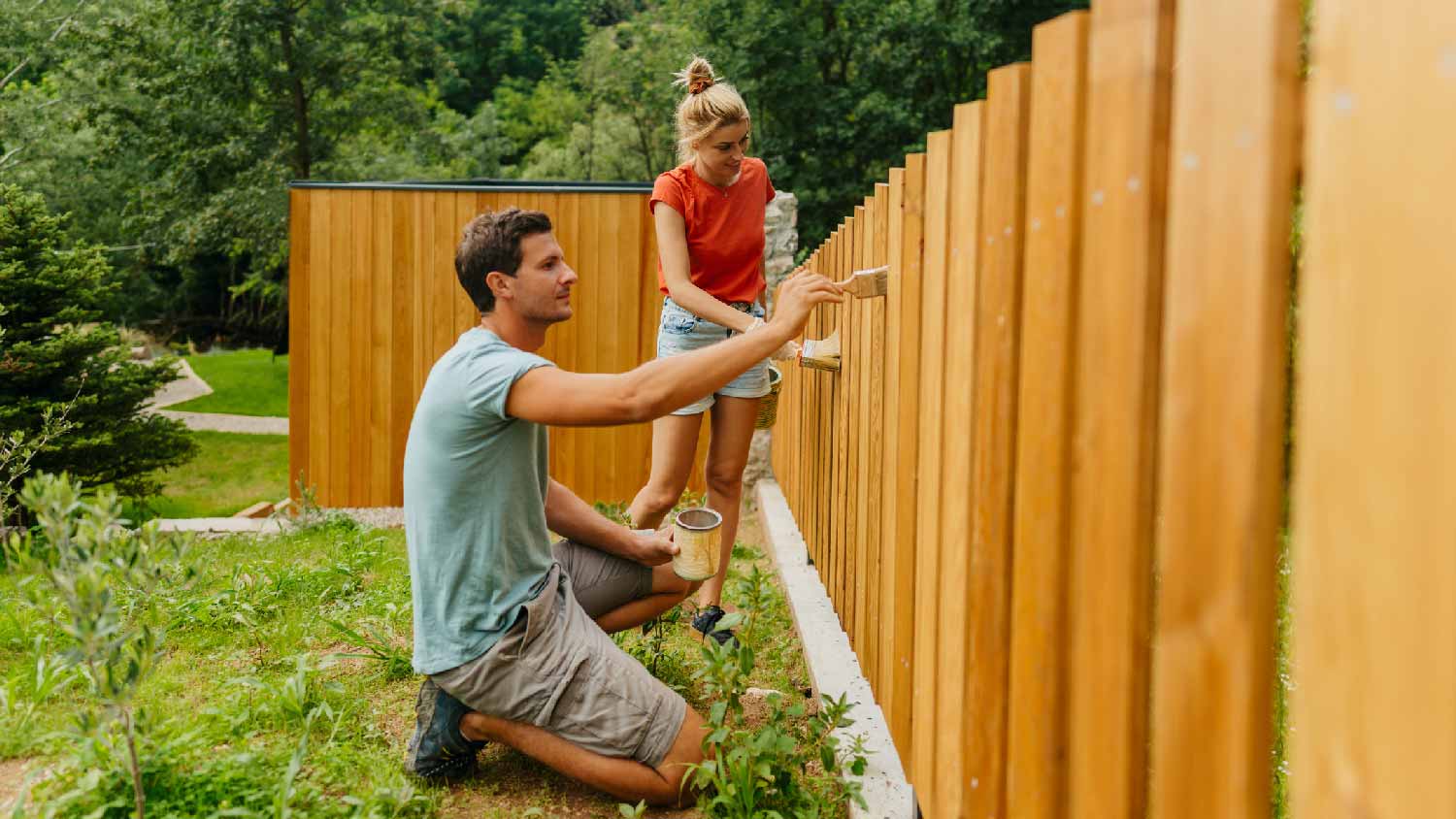
Staining or sealing a cedar deck or fence is highly recommended to extend its lifespan and protect it from the elements. While cedar is naturally resistant to mold and mildew, it is not impervious to damage from moisture, sun exposure, splintering, fading, and rot over time. Applying a protective finish creates a shield that preserves the wood's strength and appearance, potentially extending its life by five to 10 years.

When choosing a finish, it's helpful to understand the difference between a sealer and a stain. A sealer sits on top of the wood, whereas a combination stain and sealer soaks into the top layer. Because it penetrates the wood, a stain generally offers better protection against UV damage and rot and lasts significantly longer. For the best results that also preserve the wood's natural color, consider using a near-translucent stain.

To maintain protection, plan on reapplying the stain or sealer every two to three years, either as a DIY project or by hiring a professional.

The best time to stain a fence is when the weather is dry and temperatures are between 50 and 90 degrees Fahrenheit. Late spring, early summer, and fall are typically the best seasons for this project. You should avoid staining during very hot weather, like in the middle of summer, or when it is raining. Heat and moisture can cause the stain to dry unevenly. Likewise, if it's too cold, such as in winter or early spring, the stain may not be able to dry fully. Before you start, check the forecast to ensure there will be no rain and low humidity for at least a few days.

Pricing depends on prep work, paint/stain choice, area size, scaffolding needs, and detailed trim inclusions like precision-balanced windowsills.

The Ivanhoe, CA homeowners’ guide to fence painting services

From average costs to expert advice, get all the answers you need to get your job done.