




Top-rated ceramic tile pros.

Get matched with top ceramic tile pros in Glendale, CA

Enter your zip and get matched with up to 5 pros

Need a pro for your ceramic tile service project in Glendale, CA?

Select your specific project to find the pro for you.

TRUSTED BY GLENDALE, CA HOMEOWNERS

  • Average homeowner rating star icon4.7
    Average homeowner rating
  • Verified reviews icon176
    Verified ceramic tile services reviews

Find Ceramic tile pros in Glendale

R & B Tile
4.4(
163
)
Tile: Ceramic and Porcelain - RepairTile: Ceramic and Porcelain - Repair- For Business

Serving Glendale, CA and surrounding areas

Approved

Super Service Award Winner

In business since 1985

Free estimates

Credit card accepted

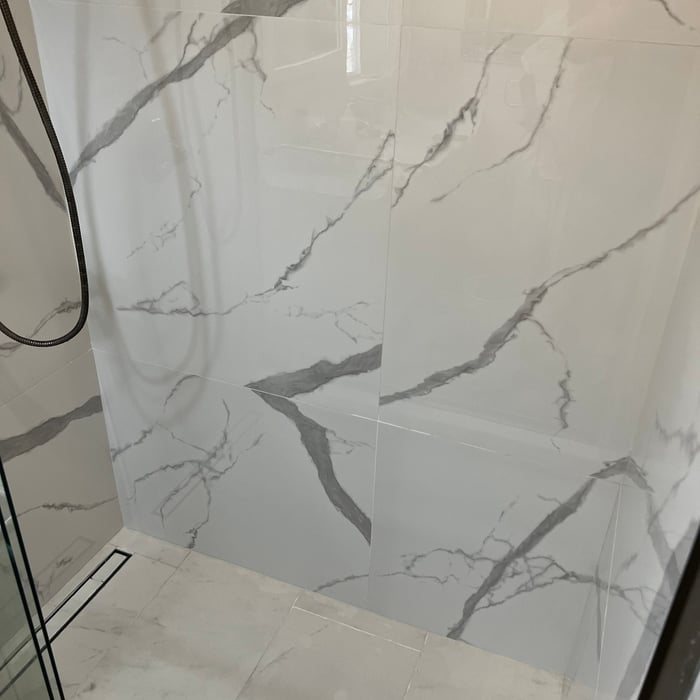
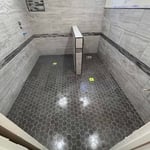
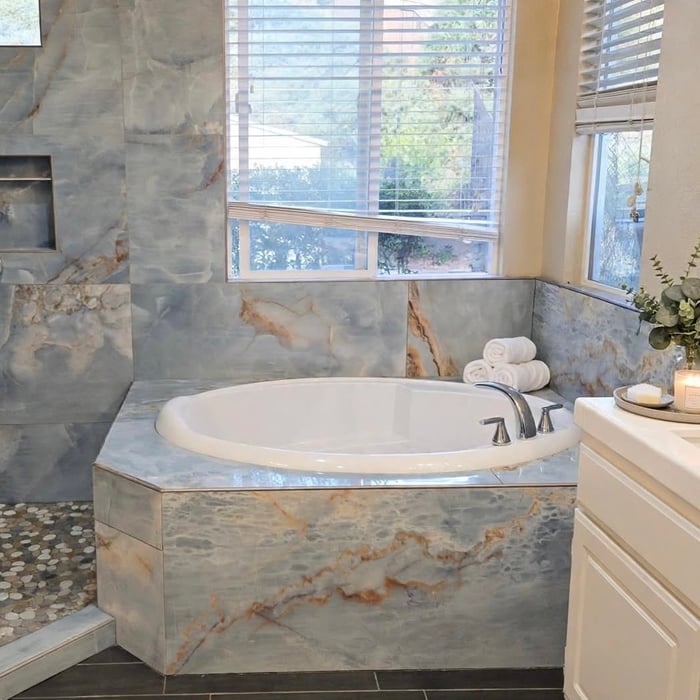
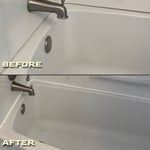
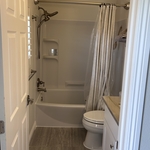
"I can’t say enough good things about R&B Tile! From start to finish, their team demonstrated top-notch professionalism and expertise. They completely regrouted my shower tiles, and the results are flawless. The crew arrived on time, worked efficiently, and kept the area neat throughout the project. I’m beyond impressed by their attention to detail—my shower looks brand new! If you need any tile work done, look no further than R&B Tile. They’ve certainly earned these five stars!"
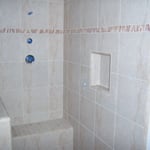
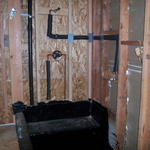
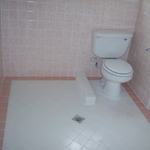
Stall Shower
Stall Shower
handicap shower bathroom
Response time10 hrs
62 neighbors recently requested a quote
Recommended by90%of homeowners
...
Showing 1-10 of 308
Ceramic Tile questions, answered by experts

Porcelain is a relatively affordable, mid-range countertop material. It typically costs between $50 to $70 per square foot.

Compared to quartz, porcelain is slightly more affordable, as quartz generally ranges from $50 to $200 per square foot. However, lower-quality, builder's grade quartz can be similar in price to porcelain.

Compared to granite, the price can be similar, depending on the quality of the stone. While granite slabs can range from $50 to $200 per square foot, you can find lower-end granite in the same price range as porcelain. High-end granites will cost significantly more.

Porcelain is generally more expensive than laminate, acrylic, and ceramic, but less expensive than high-end slate, concrete, and marble. A key benefit is that porcelain does not require sealing, which reduces long-term maintenance costs.

The underlayment determines a ceramic tile’s sturdiness, and a cement board or backer board works best. Be sure to tape the joints when using these materials, and consider laying it on top of a layer of thin-set for more stability.

The number of boxes of tile you need depends entirely on the amount of tile in each box or case. Different manufacturers package their tiles differently, and boxes contain different amounts of tile depending on the size, shape, and material. Often, the amount of area that a case will cover is listed in the product description. To calculate the number of boxes you need, take the total square feet of the space and divide it by the number of square feet the box will cover.
The tile spacing you should use will depend on the tile and where you’re installing it. Choosing the right tile spacers to maintain a consistent gap between your tiles is tricky. Generally, tile spacing shouldn’t be less than 2 millimeters on walls and 3 millimeters on floors because of stress relief requirements. Getting it wrong can result in uneven tiles and early repairs.
Yes. You can tile over tile if the old tile is in good shape, but this will also create a thicker floor. As a result, you may have to remove and readjust baseboards and other room trimmings and potentially even raise door heights to work with the higher floors. In most projects, it’s best to remove the old tile before installing a new tile floor.

The Glendale, CA homeowners’ guide to ceramic tile services

From average costs to expert advice, get all the answers you need to get your job done.