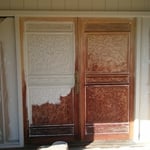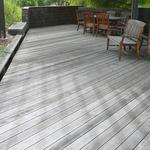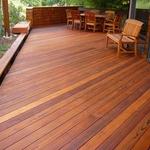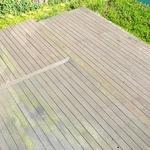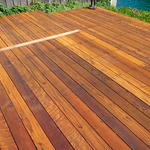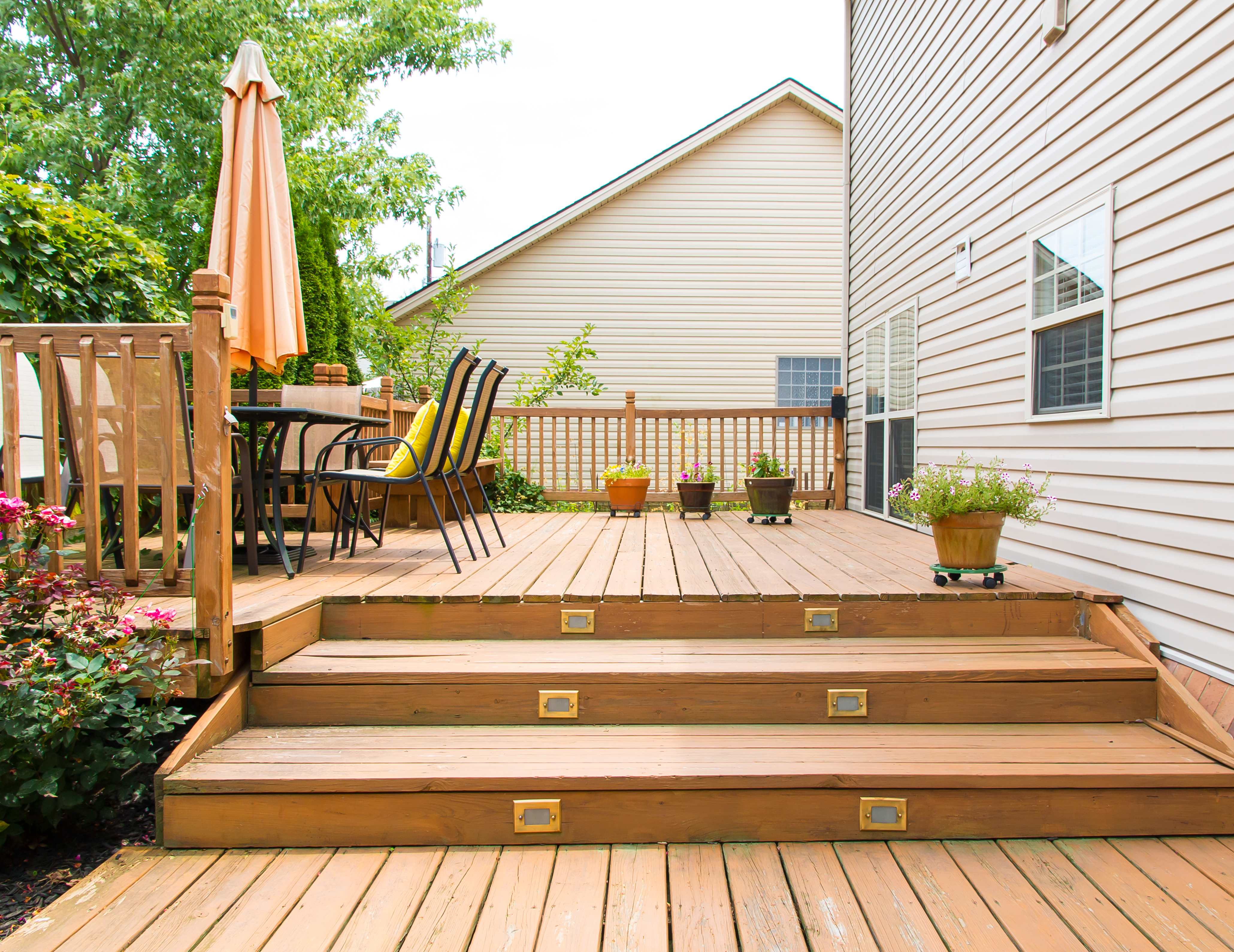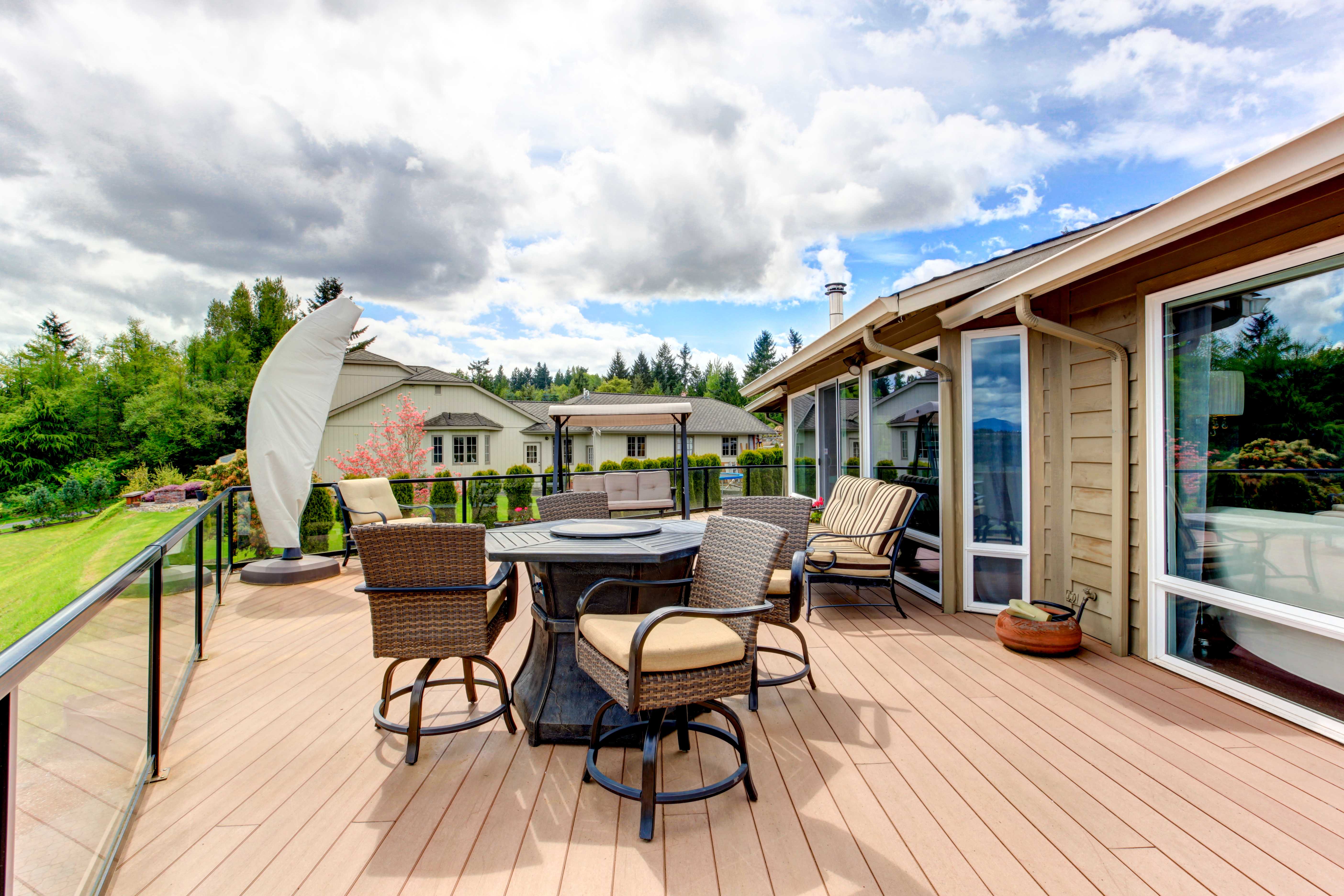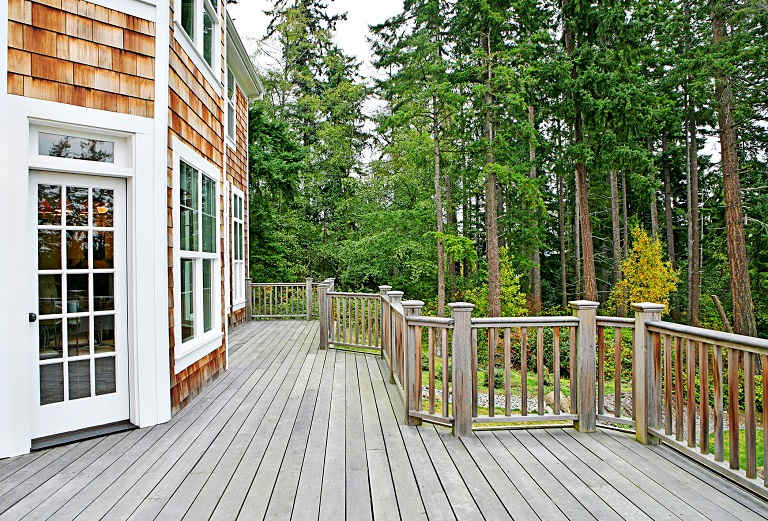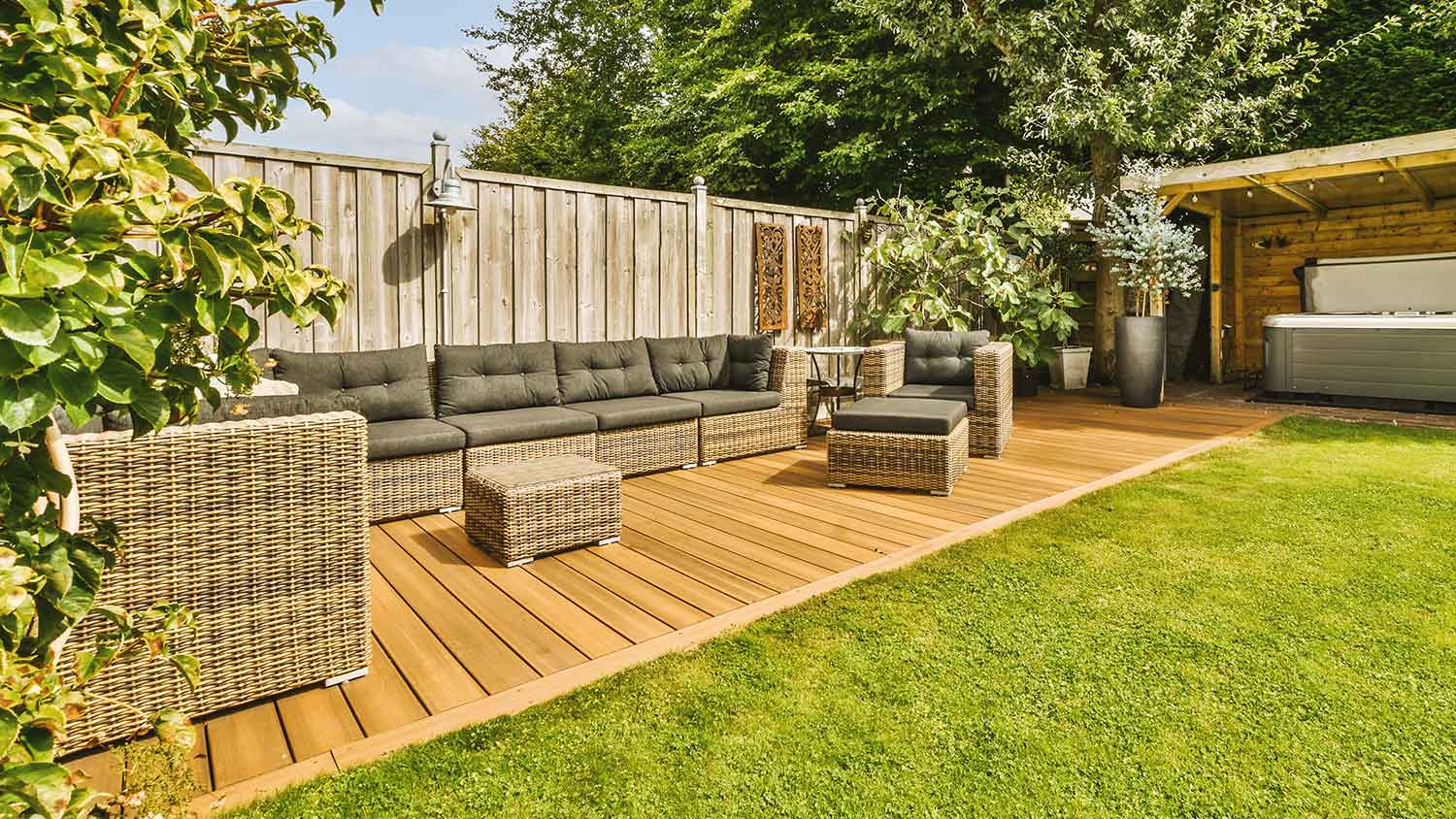









"Bruce did a good job of keeping us informed when what would be done on our deck. Everything went so quick once we decided to go with them. The deck looks like new again."
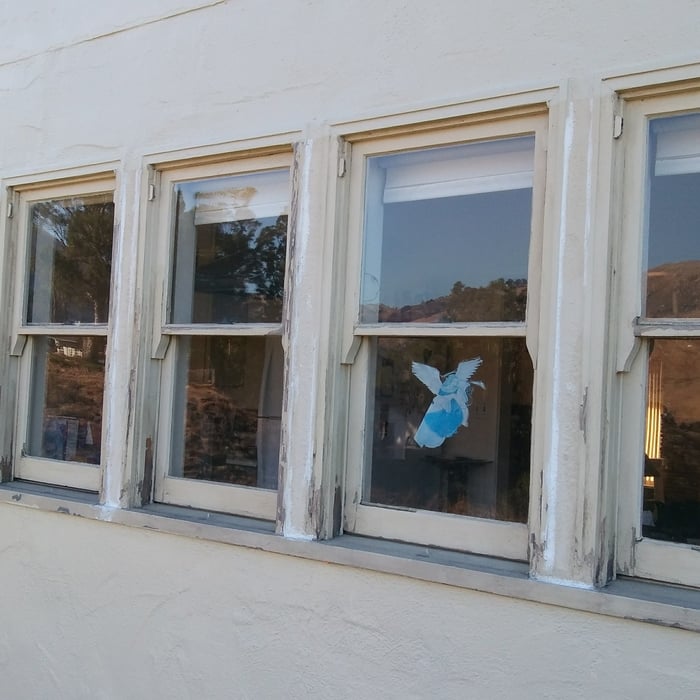
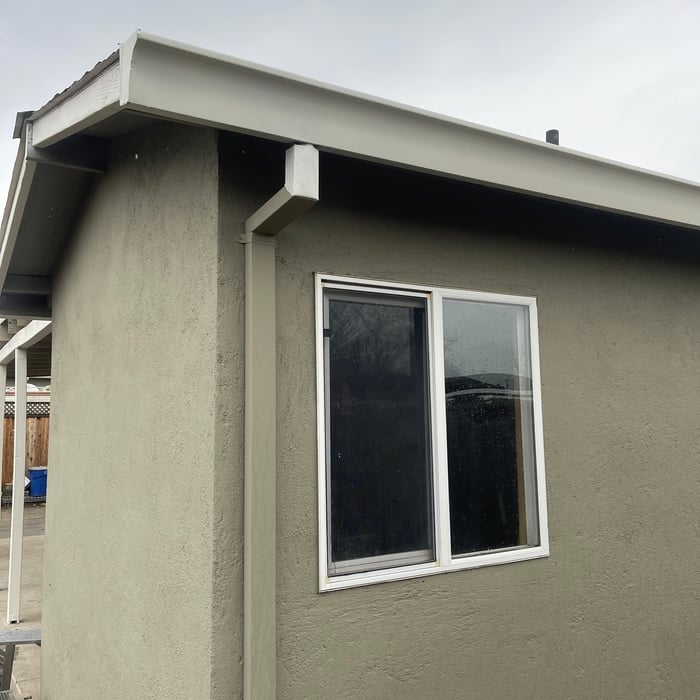
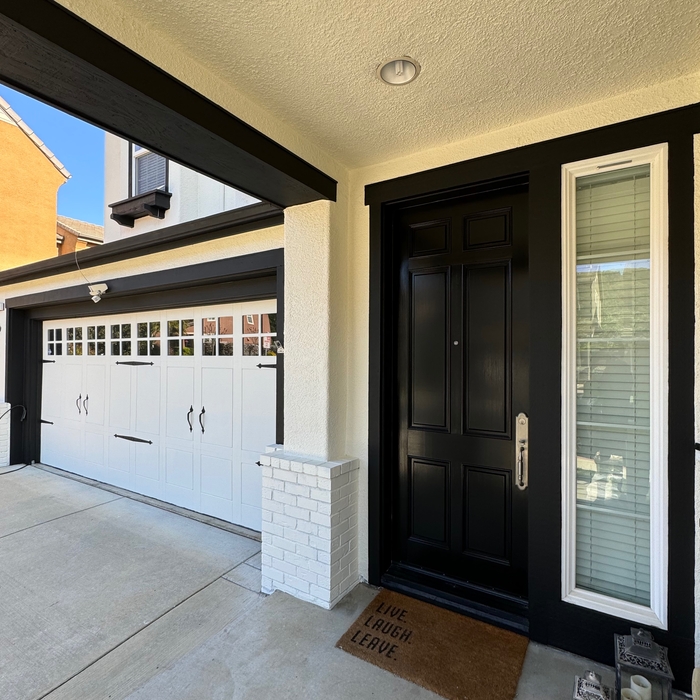
"Highly recommend J&D painting for exterior work. Contractor provided detailed and accurate cost estimates and helpful recommendations on paint colors and textures to highlight the best features of the house. Not only did outstanding painting work but also helped source handyman labor to upgrade external window trim. Really happy with the results and would hire them again without hesitation."
"Wonderful to work with. Smart, fast, abel to explain the details of the project and options available. Went the extra mile on timing and paying attention to details we didn;t even notice. Superb pricing. Happy to recommend Isaiah and owner Jose Valasquez to anyone needing painting work."
"Exceptional work! Very thorough and professional. Detailed oriented and executed all work as planned answered all questions. Very satisfied and highly refer for all your paint projects/needs."
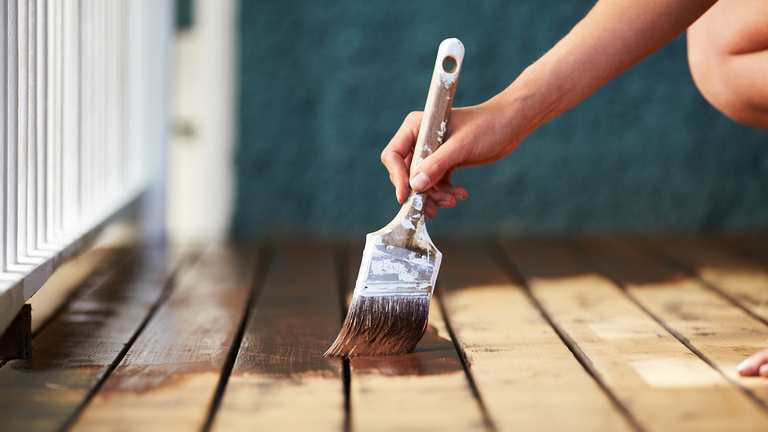
Always sand a deck before repainting so the wood is smooth and ready for paint. While you do not need to fully remove paint before repainting, sanding helps remove any areas with weather and sun damage. Sanding also helps remove chipped or flaking paint and opens the wood pores to improve paint adhesion.
To make sure the paint won’t bubble as you apply it, make sure to paint on a day that’s cooler than 85 degrees Fahrenheit. When the temperature is too high, the paint won’t dry evenly, which can result in bubbles forming on the surface. Another way to prevent paint from bubbling is to clean the walls, apply primer, and let everything dry completely before you begin.
It’s important to make sure the wood on a new deck is properly seasoned. Seasoning a deck is simple: Once you build it (or have a pro do so), just leave it alone so it can acclimate to the environment. If you don’t give the deck proper seasoning time before staining, the stain can lock in any lingering moisture and cause mold, rot, and other moisture issues down the road. Give the wood at least four to eight weeks to season before you stain.
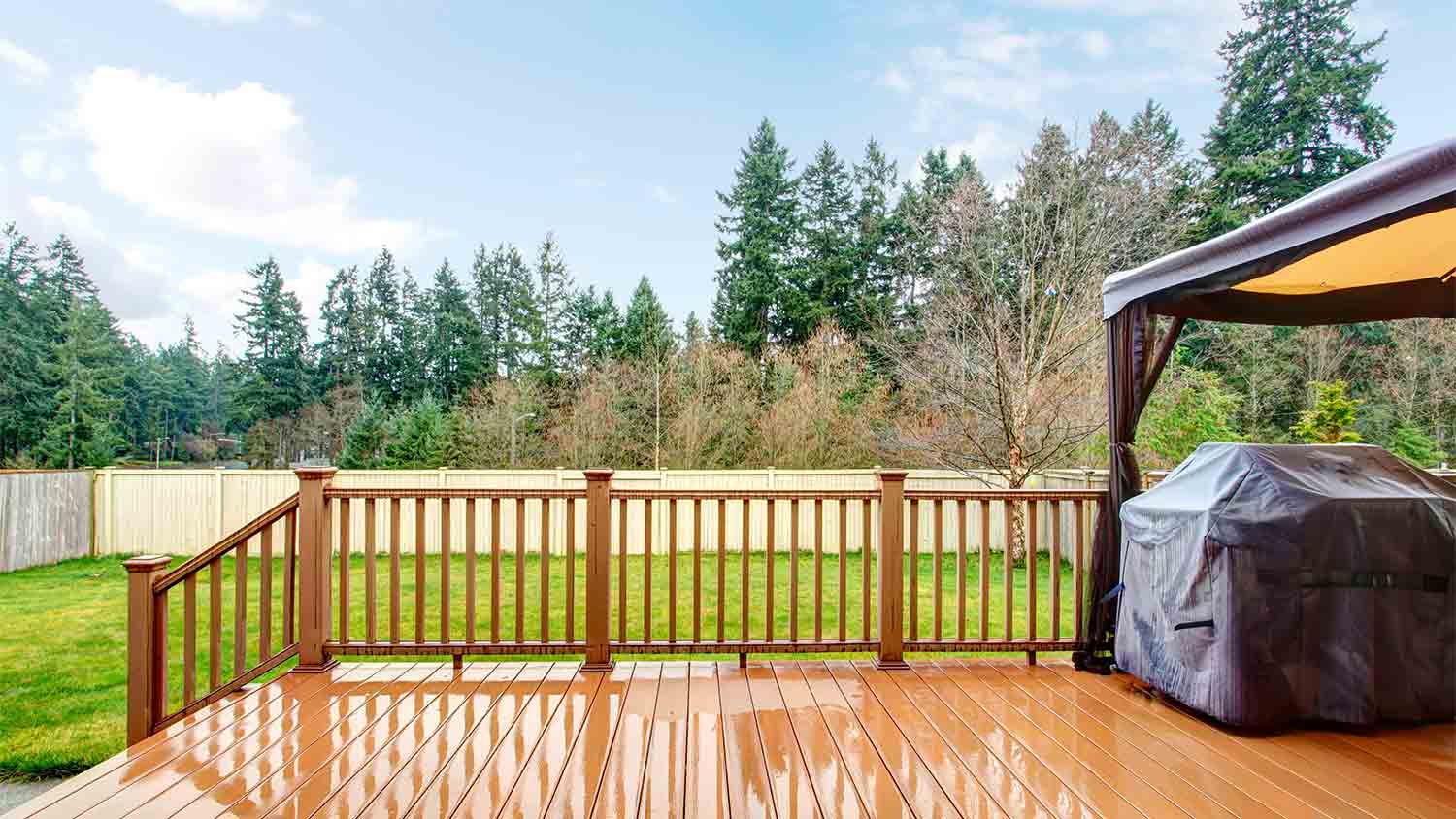
Deck staining or painting safeguards wood against the elements through its protective layer, enhancing decay resistance, prolonging structural integrity, and improving visual appeal.
Aftercare includes routine cleaning, checking for water repellency, and promptly addressing any chips or peels, maintaining the deck's appearance and functionality.
The Gilroy, CA homeowners’ guide to deck staining services
From average costs to expert advice, get all the answers you need to get your job done.
The best time to stain a deck is when it’s dry but not too sunny. How often you restain a deck depends on climate and wood type, but every two to three years is normal.