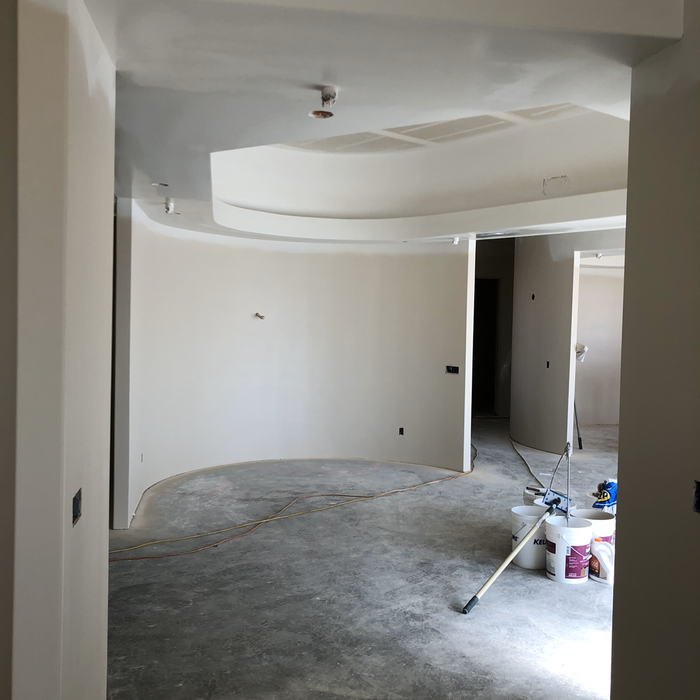



Top-rated drywall pros.

Get matched with top drywall pros in Cathedral City, CA

Enter your zip and get matched with up to 5 pros

Need a pro for your drywall service project in Cathedral City, CA?

Select your specific project to find the pro for you.

TRUSTED BY CATHEDRAL CITY, CA HOMEOWNERS

  • Average homeowner rating star icon4.6
    Average homeowner rating
  • Verified reviews icon114
    Verified drywall services reviews

Find Drywall pros in Cathedral City

Avatar for System 1 Interiors
System 1 Interiors
4.8(
163
)
Drywall - RepairDrywall - Repair - For Business

Serving Cathedral City, CA and surrounding areas

Approved

In business since 1978

Free estimates

Credit card accepted

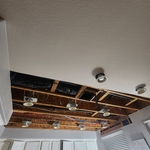
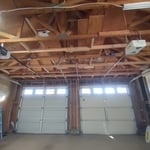
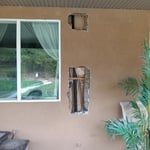
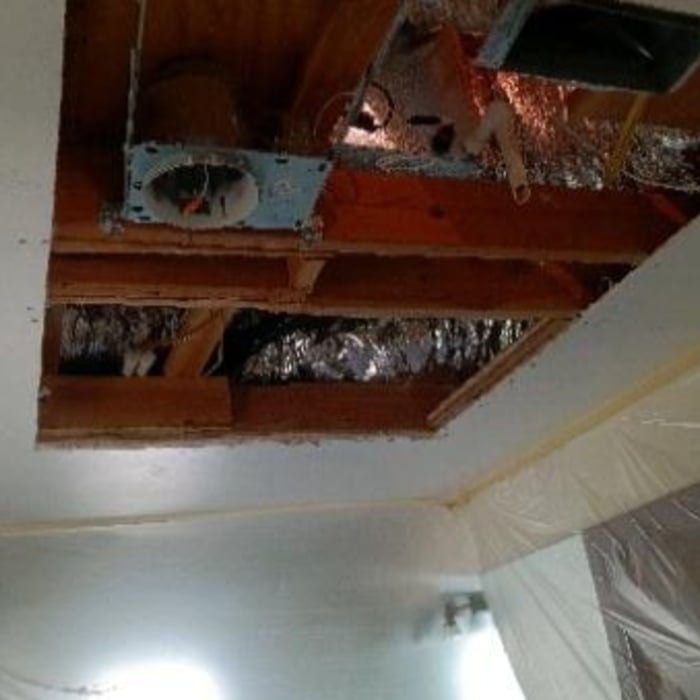
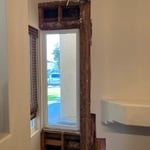
"I needed a 20x20 hole in my wall repaired. The hole was caused by electrical work and these guys came in and replaced the drywall and mudded it in exceptional fashion. Their work and professionalism is outstanding and you can't be the price."
Additional Photos
Additional Photos
Additional Photos
Additional Photos
Additional Photos

+19

Response time2 days
2 neighbors recently requested a quote
Recommended by92%of homeowners
Avatar for Gemini Designs Drywall
Gemini Designs Drywall
5.0(
13
)
Drywall - InstallDrywall - Install - For BusinessDrywall - Repair+1 more

Serving Cathedral City, CA and surrounding areas

In business since 1999

Free estimates

Small jobs welcome

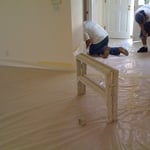
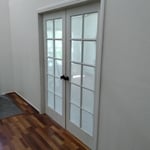
"Work scope was replacing part of the drywall in one wall (wall was opened up to remove a bee hive), followed by taping/mud and texturing to match the rest of the wall. The work started as scheduled. We appreciated that step #1 was protecting the rest of the room (flooring, furniture, etc). Work quality was excellent and we would definitely use them for future projects."
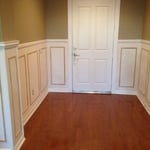
Finished
Pre-Paint
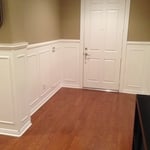
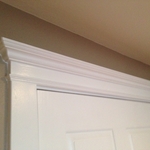
Door Detail
Pre-Skimcoat
Response time2 days
Recommended by100%of homeowners
...
Showing 1-10 of 213
Drywall questions, answered by experts

Yes, drywall can hold a 50-pound TV. However, when mounting a TV, you’ll either need to attach it to wall studs or use drywall anchors. If you use anchors, make sure to buy a type that can hold at least 50 pounds. Molly bolts, threaded anchors, and toggle bolts are all good options. For extra support, you can also install a wall mounting plate with the anchors.

Yes, applying a texture can hide minor imperfections and irregularities in drywall, but it will not cover significant damage like nail marks or screw holes. The best texture depends on the size of the flaws. For minor imperfections, popular choices like orange peel, sand, or popcorn texture are effective. For larger imperfections, you may need a more prominent style, such as a knockdown or trowel finish, to conceal them effectively.

There are a few ways to figure out if your walls are plaster or drywall, but the pushpin method is probably the easiest option. To try it, choose a part of your wall where you can insert a pushpin or thumbtack without leaving an obvious mark. If it goes in easily, you have drywall. But if the wall is tough to penetrate, that’s plaster.

Yes, you can install drywall over plaster, but there are important factors to consider. While it can create a smooth, flat surface, it is often not the best approach. Installing drywall over plaster will increase the wall's thickness, which can cause issues with existing window and door frames that may no longer fit. You might also need to adjust power outlets to keep them accessible. A better, though more expensive, option is to remove the old plaster and lath entirely before installing new drywall. Drywalling directly over plaster seals in the old material, and if any problems arise later, you will need to remove both layers down to the structural beams for repairs. Given the potential complications, this job is best handled by professionals.

Although they have similar applications, spackle and joint compound are not the same. Their primary differences lie in their composition, consistency, and ideal use cases.

Spackle is composed of gypsum and binding agents, making it thicker than joint compound. It dries quickly and is easy to sand, which makes it ideal for small wall repair projects like filling nail holes or patching minor damage.

Joint compound, also known as drywall mud, consists of limestone and gypsum. It is primarily used for large-scale projects, such as taping and finishing the seams on newly installed drywall. It tends to shrink more than spackle and can be more difficult to spread.

While both products can be used to fill small depressions and cracks, spackle cannot replace joint compound for taping and mudding new drywall. Conversely, you can often use joint compound for small patching jobs typically done with spackle.

The Cathedral City, CA homeowners’ guide to drywall services

From average costs to expert advice, get all the answers you need to get your job done.