







Top-rated pool and spa technicians.

Get matched with top pool and spa technicians in Burbank, CA

Enter your zip and get matched with up to 5 pros

Need a pro for your pool and spa servicing project in Burbank, CA?

Select your specific project to find the pro for you.

TRUSTED BY BURBANK, CA HOMEOWNERS

  • Average homeowner rating star icon4.4
    Average homeowner rating
  • Verified reviews icon134
    Verified pool and spa services reviews

Find Pool and spa technicians in Burbank

Travis Junge Pool Service & Repair, Inc.
5.0(
20
)
Swimming Pool - Clean and MaintainAbove Ground Swimming Pool or Accessories - Repair or ServiceHot Tub or Spa - Repair or Service+3 more

Serving Burbank, CA and surrounding areas

Approved

In business since 1999

Free estimates

Credit card accepted

"Wish I could receive this kind of customer service from all companies!! Professional, courteous, dependable, easy to work with. He replied to my repair request in a very timely manner. His prices were very reasonable. After the diagnostic, he ordered the needed parts and had my spa repaired within just a few days. So pleased I am now having his business maintain the chemicals in our spa. Very down to earth and easy to work with. Highly recommend him!!"
 My Work
 My Work
1 neighbors recently requested a quote
Recommended by100%of homeowners
Avatar for Always Perfect Pool and Spa
Always Perfect Pool and Spa
5.0(
6
)
Swimming Pool - Clean and Maintain

Serving Burbank, CA and surrounding areas

Approved

In business since 1988

Free estimates

Emergency services offered

"Sean has handled the maintenance of my pool for years. I don't even have to think about it. He knows what to do and keeps my pool clean and the water clear. He has also handled filter repairs on a few occasions with good results. Very highly recommended!"
Pool Flip
Pool Flip
Response time3 hrs
Response rate99%
9 neighbors recently requested a quote
...
Showing 1-10 of 204
Pool and Spa Servicing questions, answered by experts

For a fully-foamed hot tub, freezing typically occurs when the temperature drops below 28 degrees Fahrenheit and remains at or below this level continuously for a minimum of 36 hours. If your hot tub and pumps are still operational, however, the water circulates, and this continuous movement helps prevent freezing, even in very cold conditions. This circulation, along with the insulation provided by the foam, helps maintain the water temperature and prevent it from freezing during extended cold periods. Still, if you’re not planning to run it regularly, be sure to winterize the hot tub properly to prevent damage from freezing.

Hot tub repairs cost between $200 and $500 on average. You can minimize those costs by maintaining your hot tub and keeping necessary supplies on hand. An elevated shelf in the garage is a great place to store your water care chemicals so that kids and pets will stay safe and you’ll always have them around. 

Your hot tub should be drained of existing water, cleaned, and refilled every three to four months at a minimum. Follow your tub manufacturer’s recommendations for cleaning, and rinse thoroughly when finished to eliminate any residue from the cleaning products. This is also a good time to inspect your tub’s cover in good lighting for any leaks, tears, or other damage that might cause problems. 

Using your hot tub manufacturer’s suggested cleaners and methods, keep your hot tub filters clean to avoid a loss of water heat. This will help extend the filter’s useful life and efficiency. If the filter is more than two to three years old, replace it with a new one and buy a second filter to keep around as a spare.

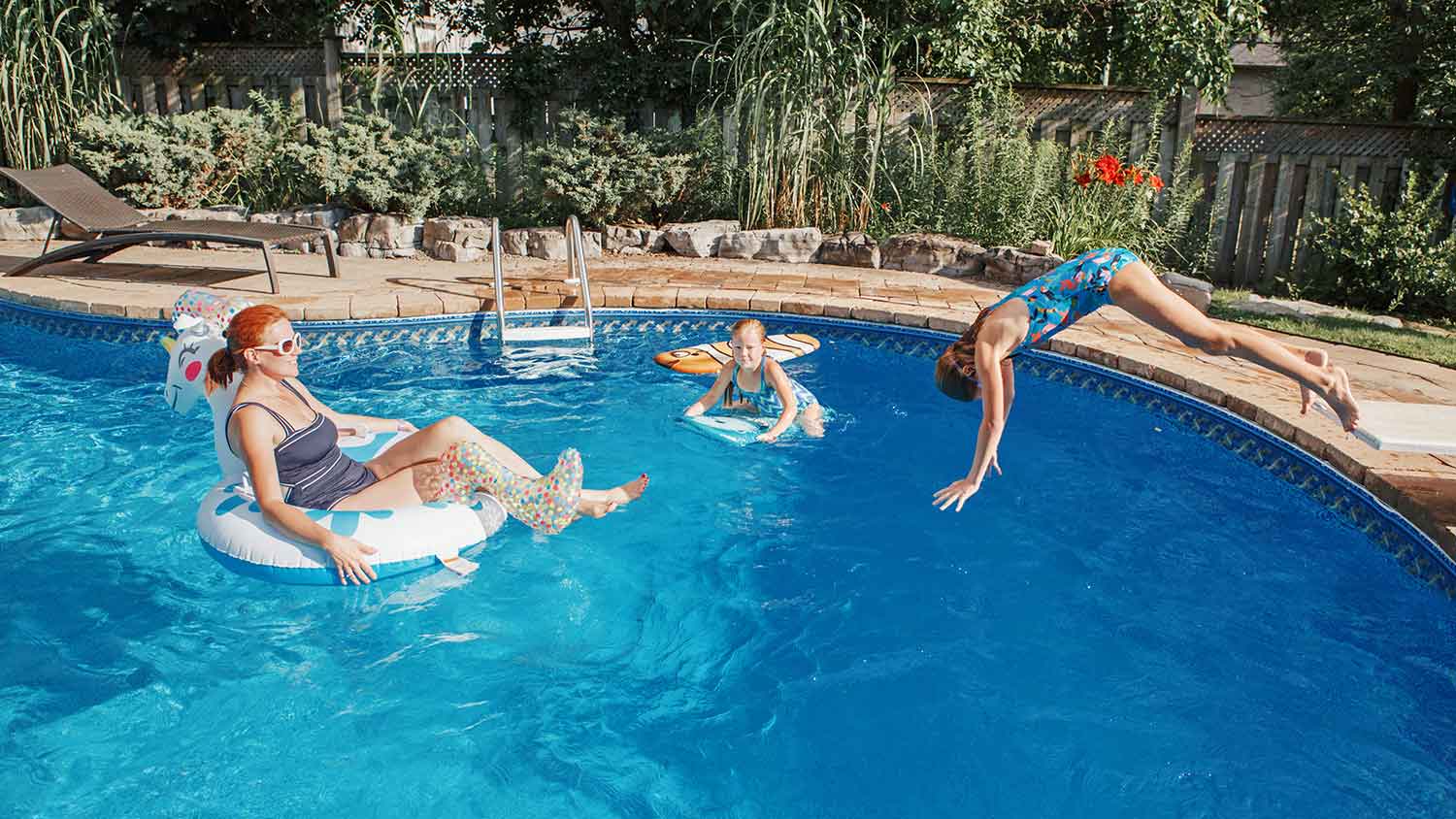
Most hot tub cracks can be repaired unless they have gone beneath the acrylic. If so, you may need a professional to determine if the crack is repairable or if you should consider hot tub replacement instead.

A compact unit designed for two to three people typically weighs approximately 500 pounds in its empty state. On the other hand, a larger hot tub meant for up to six people can weigh around 1,000 pounds when empty. Materials used also impact weight. Less expensive hot tubs are typically lighter because they are made of molded plastic or fiberglass.

Generally, it is more cost-effective and energy-efficient to leave your hot tub on all the time rather than turning it on and off. Reheating a hot tub from a cold temperature consumes a significant amount of energy, so maintaining a constant temperature is usually more economical, especially with frequent use.

For daily or weekly use, it's recommended to keep the water at a constant, reduced temperature, such as between 80 and 95 degrees Fahrenheit, and then increase it to your desired temperature before getting in. If you know you won't be using the hot tub for an extended period, you can lower the temperature to save on energy costs. However, if you use it very infrequently, you can turn it off completely, as long as there is no risk of the water freezing.

The Burbank, CA homeowners’ guide to pool and spa services

From average costs to expert advice, get all the answers you need to get your job done.