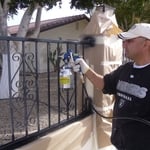
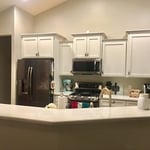
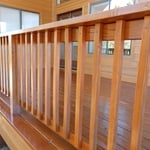
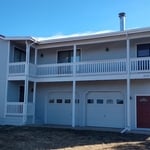
"Absolutely love how my bathroom remodel turned out! The team at Shepherd Contracting was super professional and made the whole process so easy. They worked fast but didn’t cut any corners, and everything looks amazing. Communication was great the whole way through, and they actually stuck to the timeline (which never happens with renovations lol). Plus, they kept everything really clean, which I totally appriciated. If you’re thinking about remodeling, I 100% recommend them!"
"All of the work was done as described and in a timely manner. Alvaro (president) explained the process and answered any questions we had. The crew was punctual, courteous and respectful of the property. Windows, doors and vigas were taped off, drop cloths were used where material would splatter. After the completion of the project everything was cleaned up and put back in place. The workmanship is outstanding and the house looks brand new."
"Nothing but a positive experience from Aaron Trail. Very easy to communicate with. Very prompt, kept all appointments. The new paint looks amazing and just the colors we selected. All stucco repairs that were made were blended so well, there is no way to tell where the original issues were! I already have recommended them to friends and family, I will continue to do so. Very happy with Aaron Trail! "
"It went exactly as planned. Adan Montoya was very communicative, helpful and patient throughout the project. He is friendly, fair, conscientious and hard working."
"He was the general contractor for the project and sent out a painter. I had requested for a seam between the two rooms to be fixed and that was my main concern. The painter really didn’t do what I asked him. He then offered to come back out to fix everything. We fixed some of it ourselves, but the painter did end up having someone else to fix it. The general contractor did offer us Price cut because of all the problems. I would never use the painter again. However, he made right on everything. They were very apologetic and nice on the phone, I just wasn’t happy with the recommendation on the painter."
"I only use James when I need some work done to my house. He responds fast, gets the work done quicker than just about anyone else I've ever used and seems very concerned with leaving his customers happy."
Ernz Painting is dedicated to providing our customers with the best quality and craftsmanship. We are here to build relationships with our customers and communities. No job is too big or too small! We look forward to working with you!
An exterior paint job typically lasts between 5 and 10 years, though this can range from 3 to 17 years depending on several factors. The longevity is influenced by the quality of the paint and primer, the quality of the application, the local climate, and the type of surface being painted. For example, paint on wood siding may need to be redone every 3 to 7 years, while painted brick can last up to 17 years. Aluminum siding often needs repainting every 5 years.
You have a couple of options when choosing a durable pool deck coating. Epoxy is common and offers excellent stain and water resistance. Epoxy also withstands high temperatures and UV lighting, making it ideal for sunny spots. You can also add a coating to cement, which significantly lowers the temperature of the concrete, is environmentally safe, and makes cleanup a breeze.
The opposite is actually true: Wood stains tend to appear lighter when they’re fully dry. However, stains may darken as they weather and oxidize with age. Stains might also darken on surfaces left in direct sunlight, as UV rays can break down pigment particles and cause them to darken over time.
Waterproof paint creates a barrier to hold back moisture, but it doesn’t eliminate the source of the water. If you hire a basement waterproofing contractor, many will tell you that waterproof paint is only a temporary solution. On average, you can expect it to last from six months to two years in a wet basement before deteriorating.
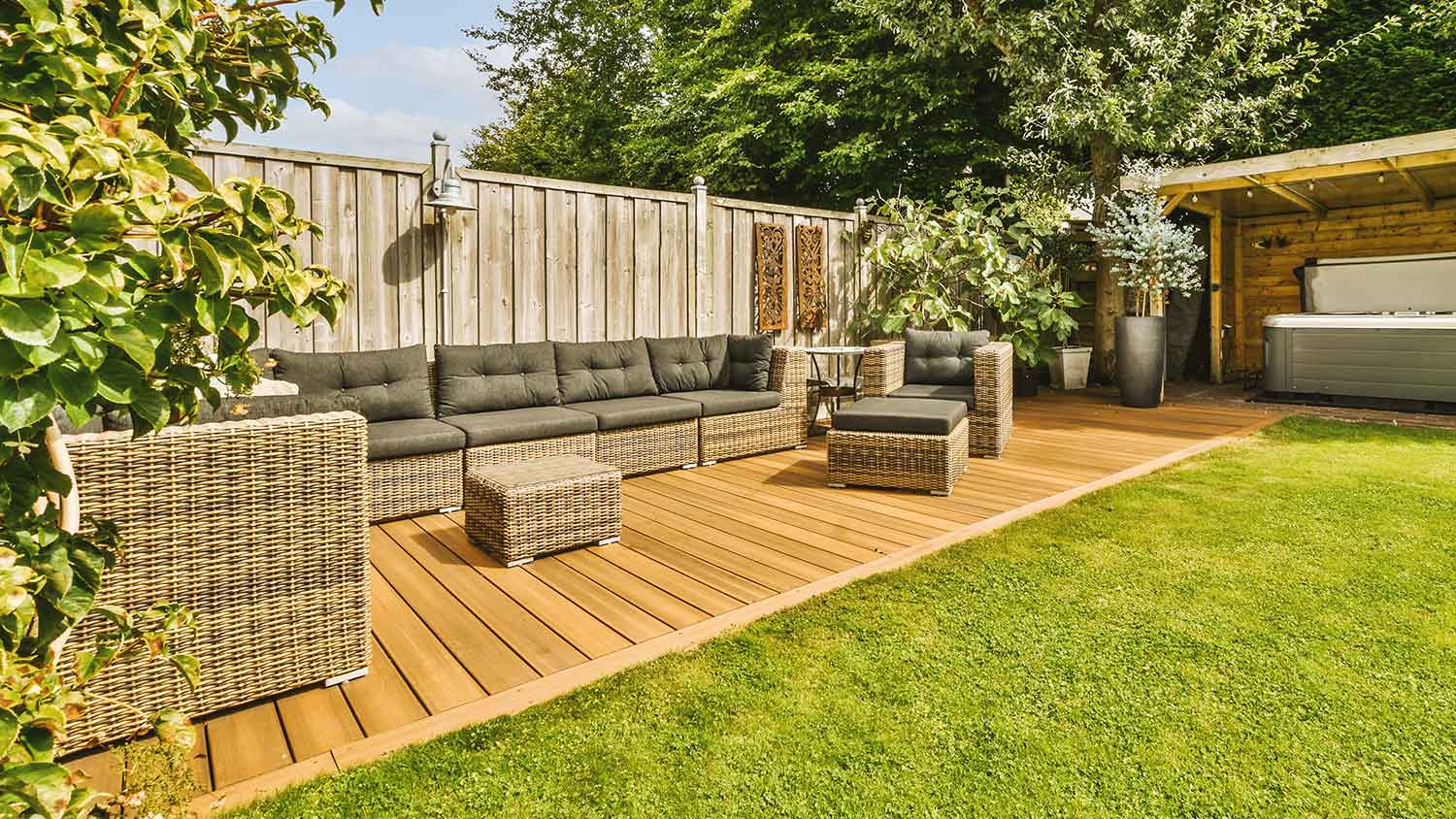
The plastic in composite decking boards protects them enough that you do not need to paint them to prevent warping. In fact, painting composite decking voids the warranty of some manufacturers. Painting can also increase maintenance on the deck, as you must paint regularly to keep it looking its best.
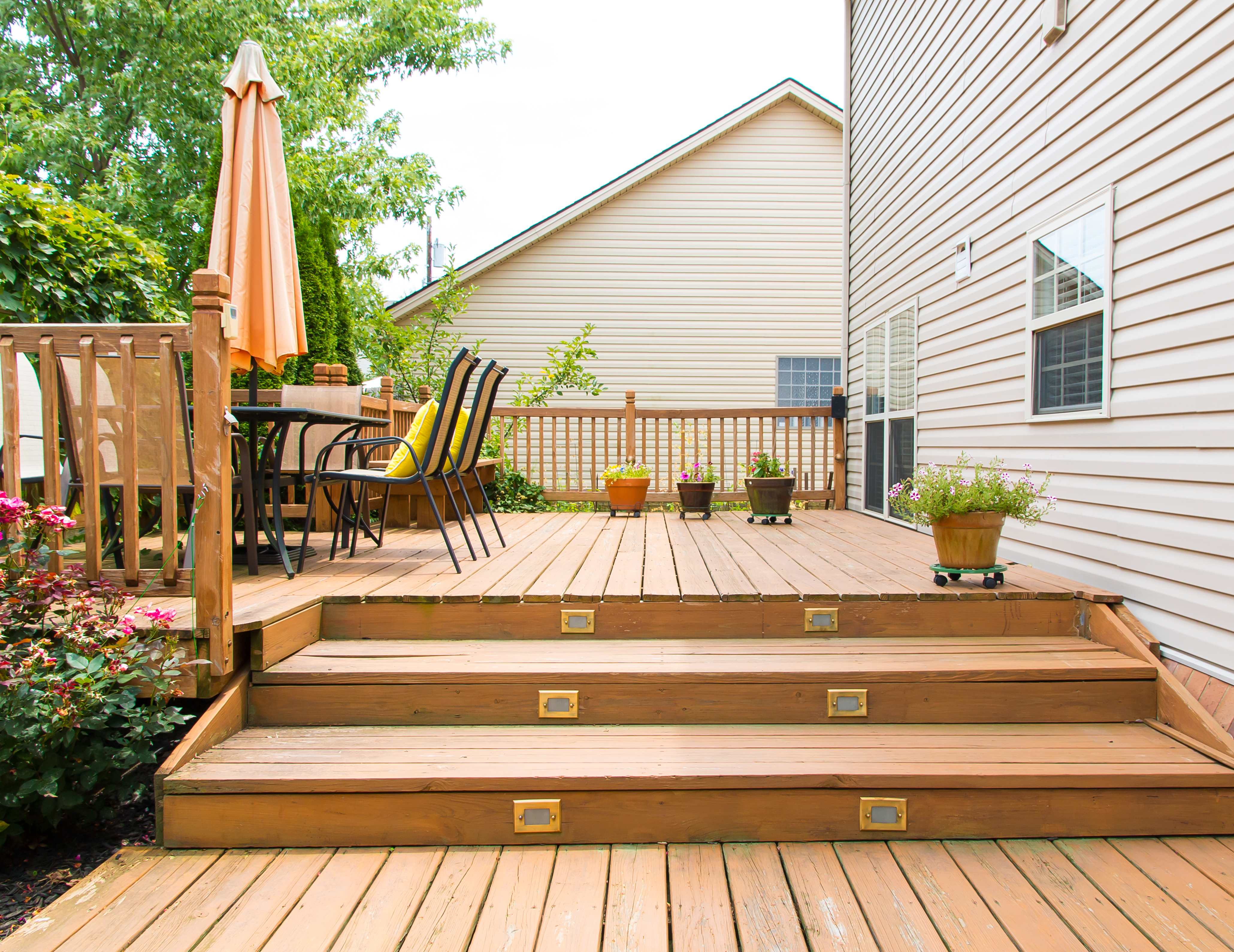
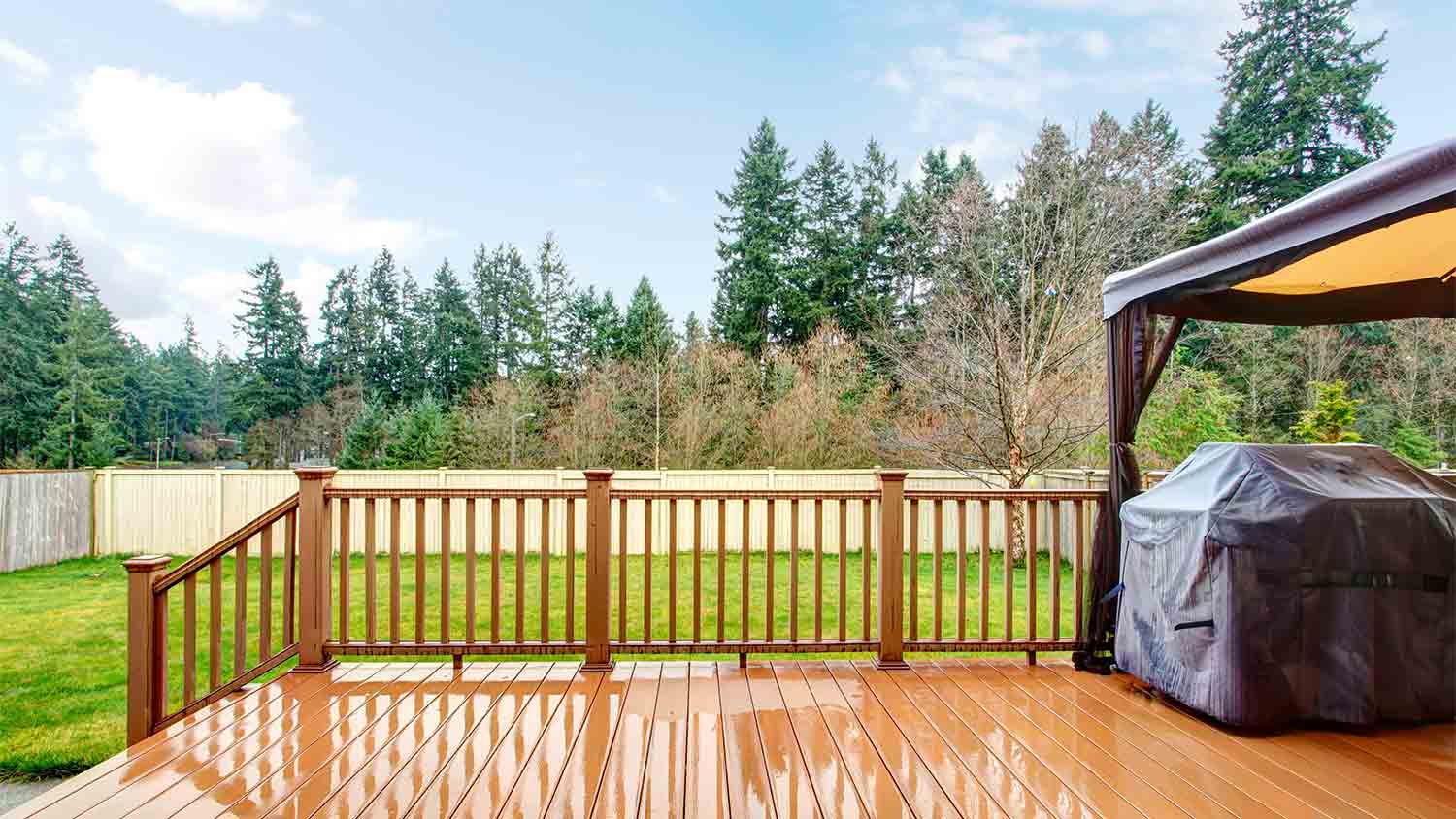
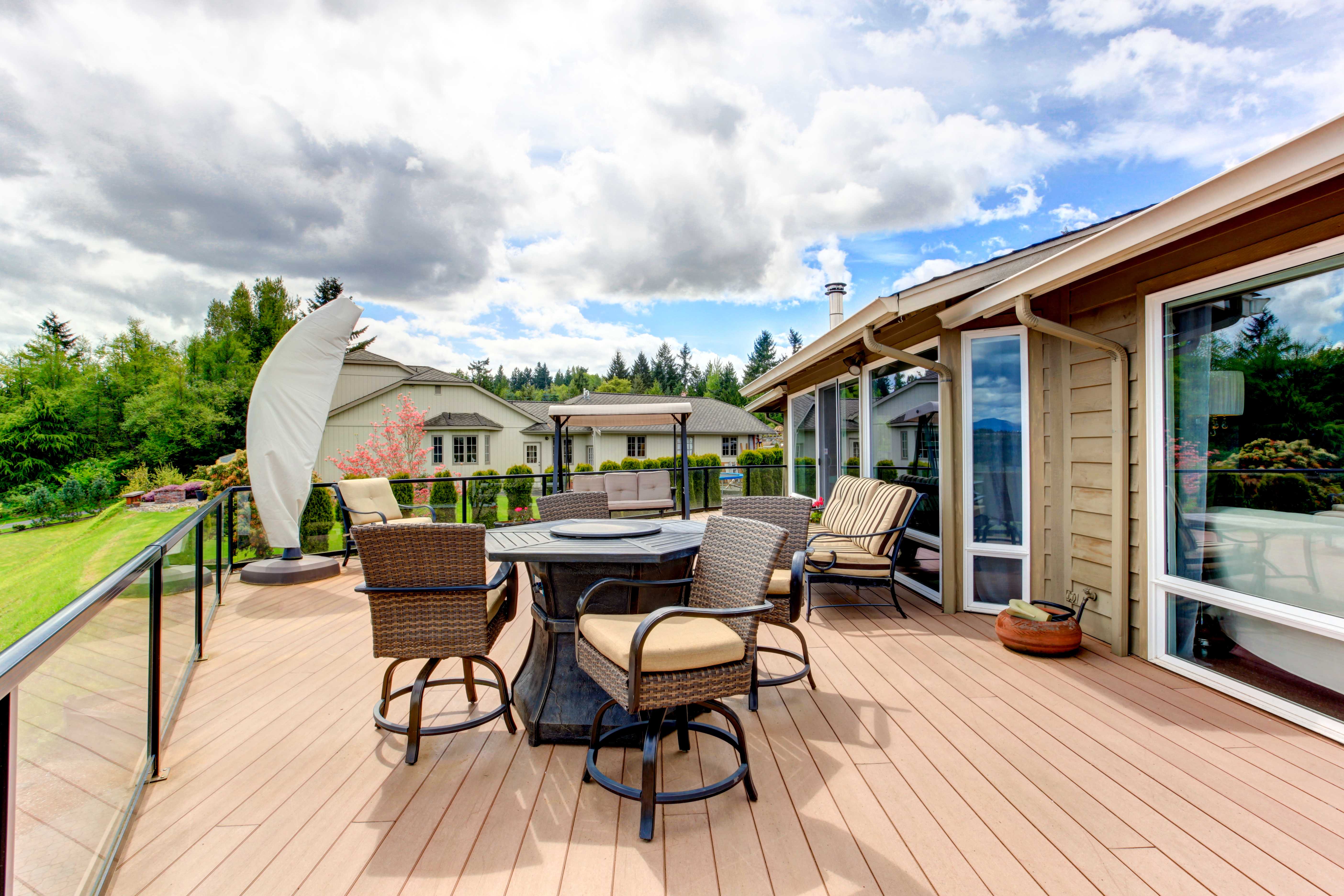
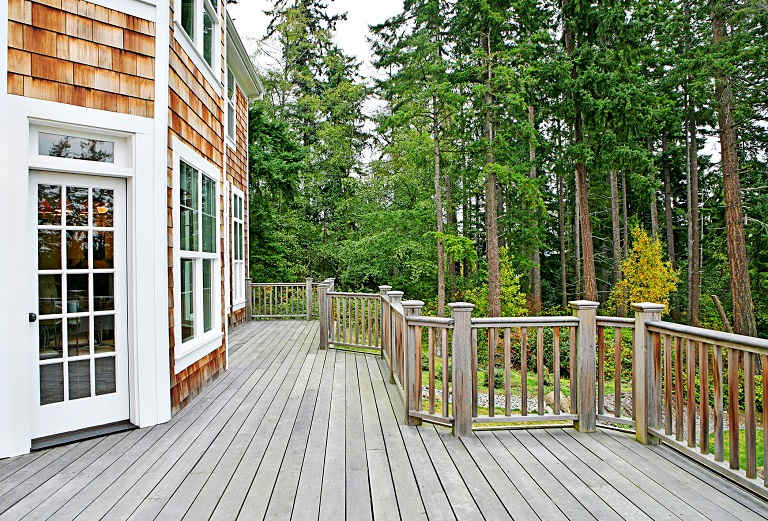
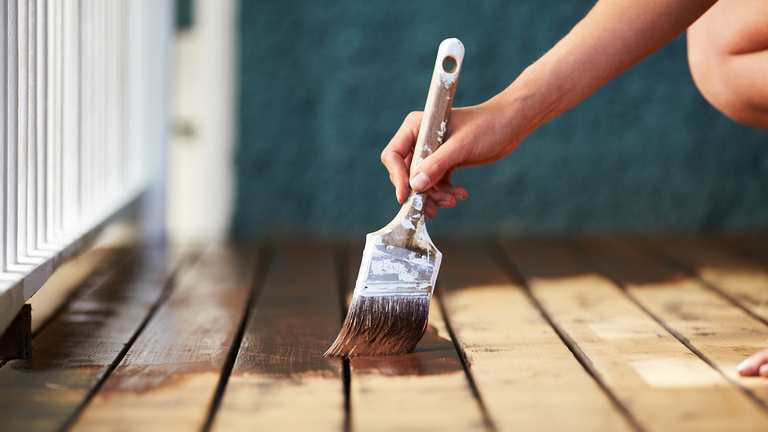
The Tsaile, AZ homeowners’ guide to deck staining services
From average costs to expert advice, get all the answers you need to get your job done.
The best time to stain a deck is when it’s dry but not too sunny. How often you restain a deck depends on climate and wood type, but every two to three years is normal.