"I can not say enough about Shepherd Contracting. They were on time listened to every idea I had in this remodel. Tile and river rock in shower. Garden tub with river rock backsplash, tiled vanity and river rock backsplash with copper sinks. We love our spa like on Suite Thank you Tommy and team."
"All of the work was done as described and in a timely manner. Alvaro (president) explained the process and answered any questions we had. The crew was punctual, courteous and respectful of the property. Windows, doors and vigas were taped off, drop cloths were used where material would splatter. After the completion of the project everything was cleaned up and put back in place. The workmanship is outstanding and the house looks brand new."
"Nothing but a positive experience from Aaron Trail. Very easy to communicate with. Very prompt, kept all appointments. The new paint looks amazing and just the colors we selected. All stucco repairs that were made were blended so well, there is no way to tell where the original issues were! I already have recommended them to friends and family, I will continue to do so. Very happy with Aaron Trail! "
"They were professional and he is always looking online to find ways to get the job done and ask my opinion about it. He also clean the space where he works and that is incredibly the best quality service."
"So I needed a shelf fixed. I got a response almost immediately. The install was better then the contractors that put in the d*** thing years ago. Will definitely use again for any repairs that may come up. Thank you!!"
"It went exactly as planned. Adan Montoya was very communicative, helpful and patient throughout the project. He is friendly, fair, conscientious and hard working."
"Tim Ehlers DBA Patriot Roofing suggested that we go back to the company that actually put the roofing material on. He did not take advantage of the situation. Everything went efficiently. My husband had the main conversation with him and it wasn't a lot of time off of my husband's schedule, because I think he came from work to stop and visit with him. It seemed to go well."
Ideally, it's best to stain your dock once per year. Applying stain doesn't just keep it looking nice and new; it also helps extend the dock’s lifespan. Since you want to ensure water levels are at their lowest, it's best to have this project done by a professional dock repair service in the cooler autumn or early winter months.
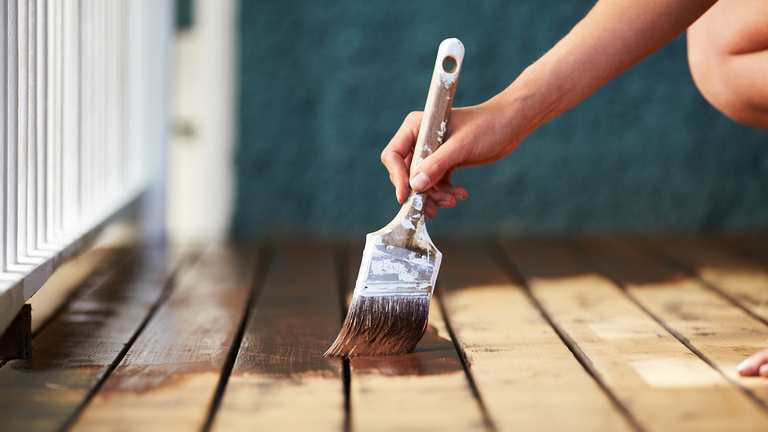
Whether to brush or roll stain on wood depends on the project and your preference. Brushing is ideal for smaller, intricate areas and offers more control over the application, ensuring thorough coverage and penetration into the wood's grain.
Conversely, rolling is efficient for more extensive, flat surfaces and can save time. However, it is not always the best fit for textured or uneven wood. Some projects may benefit from combining both methods, using a brush for detail work and a roller for broader areas. Ultimately, the choice between brushing and rolling depends on the specific requirements of your staining project.
While the answer varies based on weather, 10 a.m. is a good time to start painting. The dew will have dried, meaning there’s no moisture on the house, and the temperature will likely be moderate and the sunlight less direct. Starting mid-morning should also give you enough daylight and pleasant weather to work on the job for several hours.
Your tool of choice ultimately comes down to personal preference. Many DIYers prefer applying stain with a lint-free rag, but others stick with a paint brush or a roller. Wipe the stain and work it into the wood, working with and against the grain. If you’re applying multiple coats, allow the stain to dry for around four hours between coats.
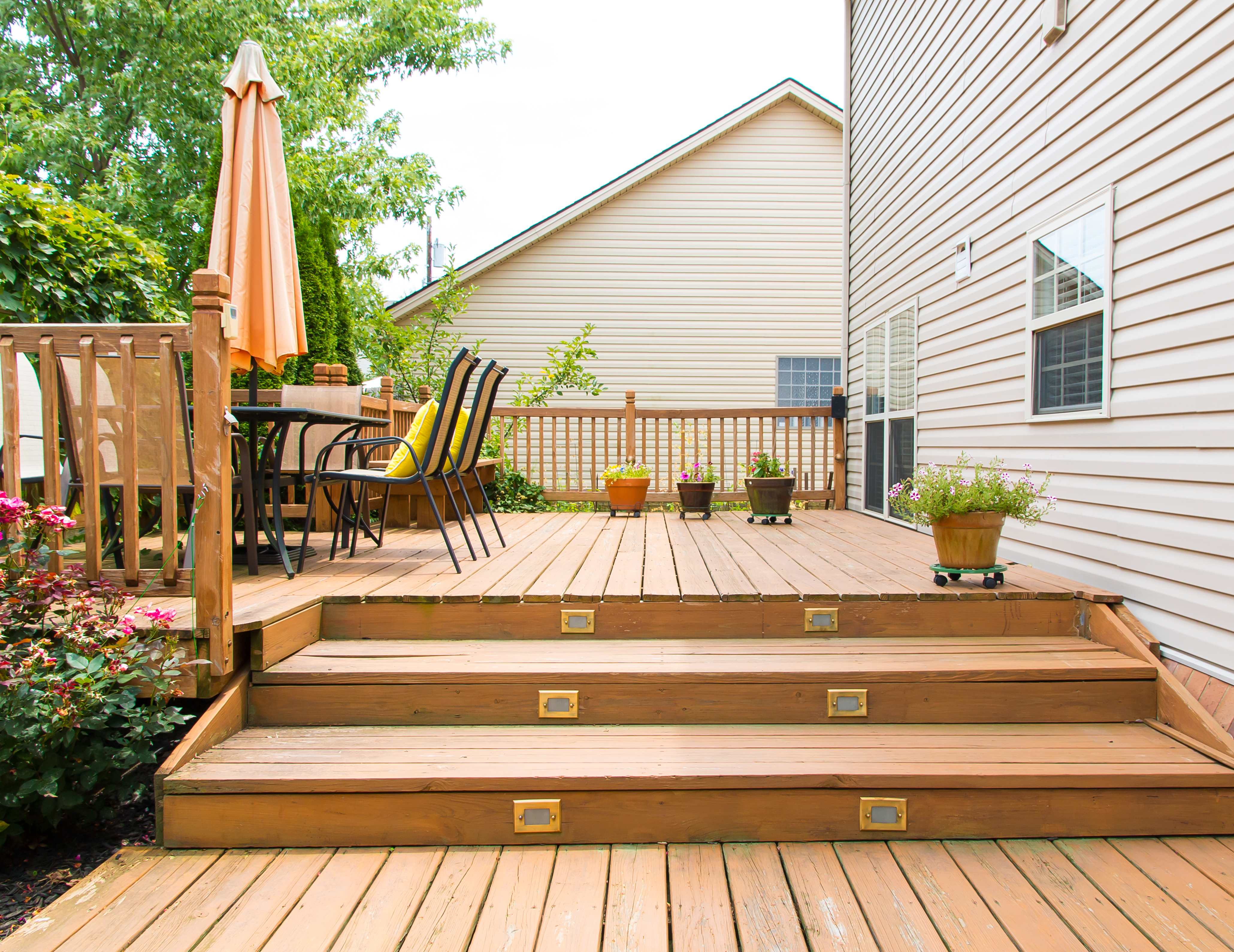
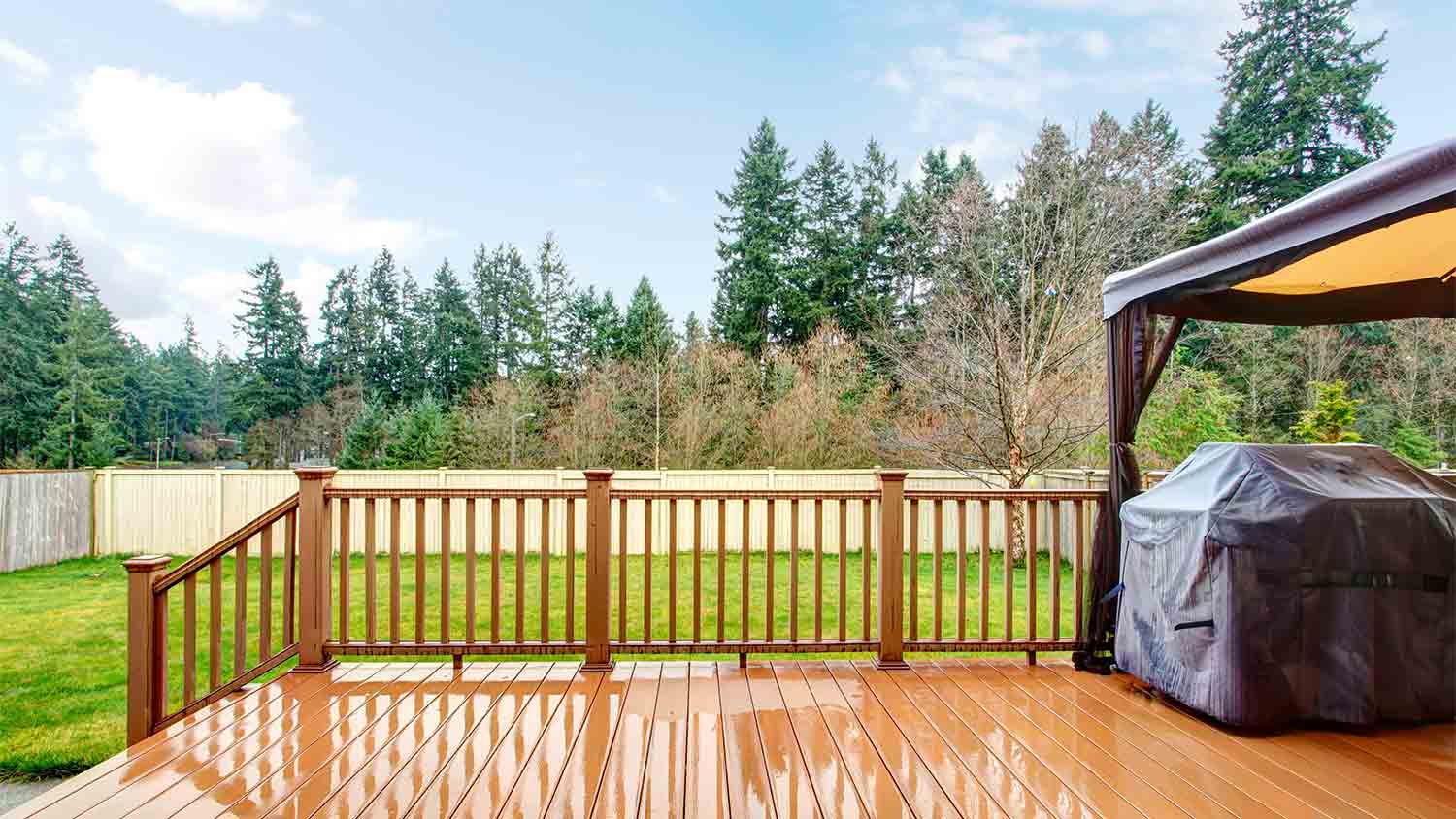
When staining a deck, don’t skip surface prep, avoid staining damp or dirty boards, and don’t apply stain in extreme heat, cold, or wet conditions. Never overload the wood with a stain, as too much can cause tackiness or peeling. Also, don’t forget to test a small area first to ensure the color and finish look right.
The Pinon, AZ homeowners’ guide to deck staining services
From average costs to expert advice, get all the answers you need to get your job done.
The best time to stain a deck is when it’s dry but not too sunny. How often you restain a deck depends on climate and wood type, but every two to three years is normal.