





Top-rated structural engineers.

Get matched with top structural engineers in South Tucson, AZ

Enter your zip and get matched with up to 5 pros

Need a pro for your structural engineering project in South Tucson, AZ?

Select your specific project to find the pro for you.

Find Structural engineers in South Tucson

Avatar for PJM Structural
PJM Structural
4.9(
28
)

Serving South Tucson, AZ and surrounding areas

Approved

In business since 2023

Free estimates

Emergency services offered

"I had an urgent request to get a permit across the line and Pedro was on his A-game and helped me within hours. Very professional, well documented, etc. Other structural engineers I hired only gave me headaches. I'd use Pedro again any day. Thank you very much, and glad to be in business with you!"
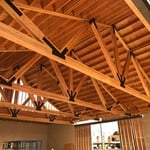
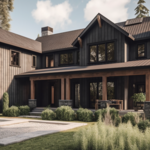
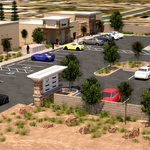
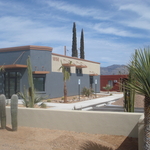
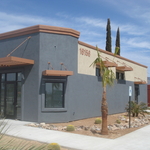
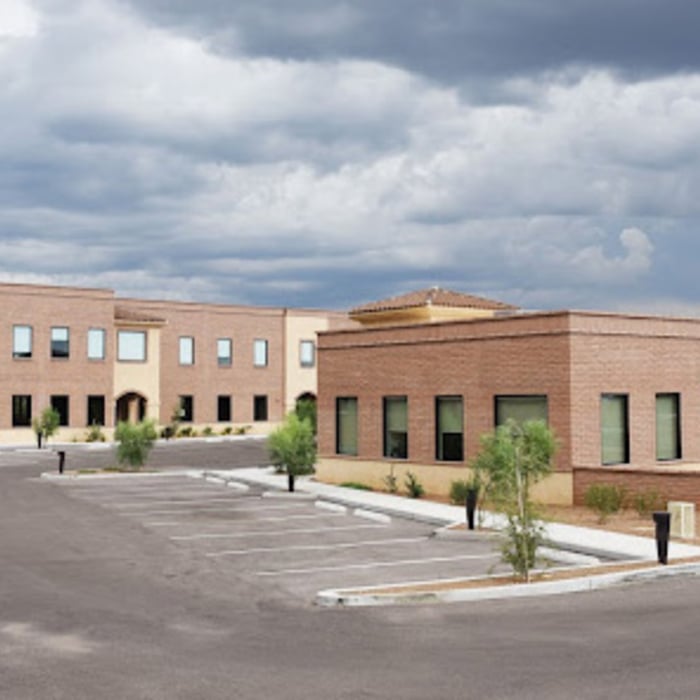
New Restaurant Building
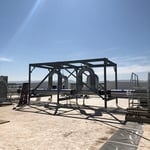
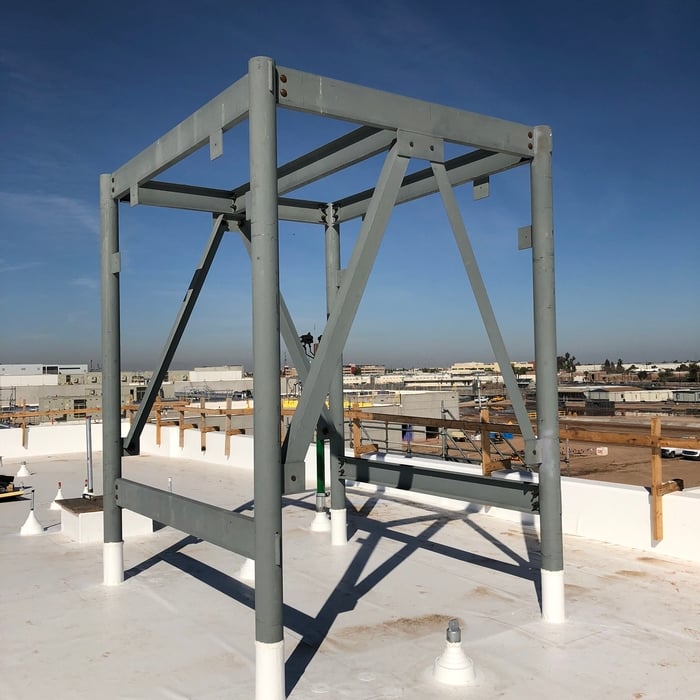
Pipe support frame
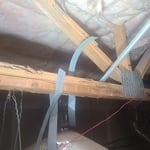
Truss webs and bottom chord damage
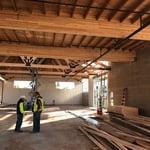
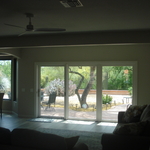
Interior Space
Pipe support frame

+15

Response time4 hrs
Response rate86%
Recommended by100%of homeowners

Structural Engineering questions, answered by experts

If your home's foundation was damaged due to shifting soil, the same problem will reoccur unless you stabilize the structure by adding posts in the bedrock.

A structural engineer’s report is almost always worth it, as it can help you avoid buying or overpaying for a home with structural issues. The most important thing the report does for you is provide peace of mind that you won’t have to pay thousands of dollars for structural repairs right after closing on a property.

The depth of any foundation style depends on your climate and how deep the frost line is, as building code requires that the footers of a foundation—which are built into a monolithic slab—sit at least a foot below the frost line. At the southern tip of Florida, for example, a monolithic slab foundation would only need to sit 12 inches under the soil at the widest parts. On some parts of the Canadian border, the frost line is 100 inches, which would mean a minimum of 112 inches, which is prohibitively deep for a monolithic slab.

All foundations have footers, including monolithic slabs. In some cases, the foundation itself acts as the footer, as in the case of a floating slab and a monolithic slab. With a monolithic slab, the footers—which are just the bottom-most portion of the foundation that distributes loads down to stable soil—are a part of the main slab and are constructed with a single pour.

Yes, a one-story house can have a load-bearing wall. The load-bearing walls in a single-story home are usually the exterior walls. If the house has a basement with exposed walls, the arrangement of the beams can help indicate what walls are load-bearing.

The South Tucson, AZ homeowners’ guide to structural engineering services

From average costs to expert advice, get all the answers you need to get your job done.

What do you need done? We’ll find top pros.
  • 🌱 "Mow a small front yard"
  • 🛠 "Fix a leaking pipe under the sink"
  • 🏠 "Repair shingles on an asphalt roof"