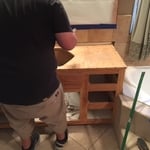
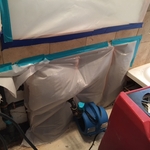
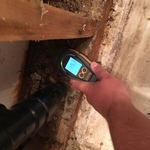
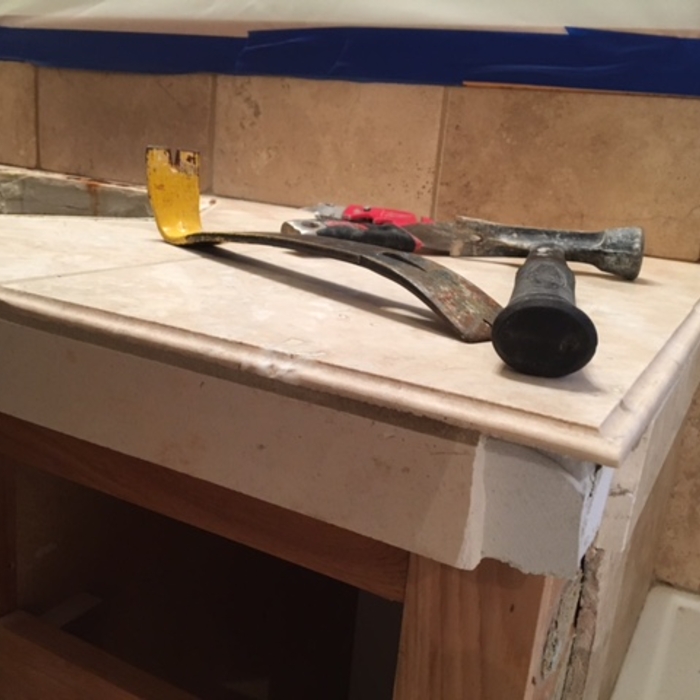
"I was very pleased with the prompt response to my call for an appointment for indoor lead testing. Testing was done within 24 h and results were emailed to me within a week as promised. The technician carefully obtained his samples without damage to my walls."
"Collin really knows his stuff and has always been very helpful and thorough. We have had him inspect multiple homes and highly recommend him to anyone needing air quality testing or a home inspection."
Lead Testing and Removal questions, answered by experts
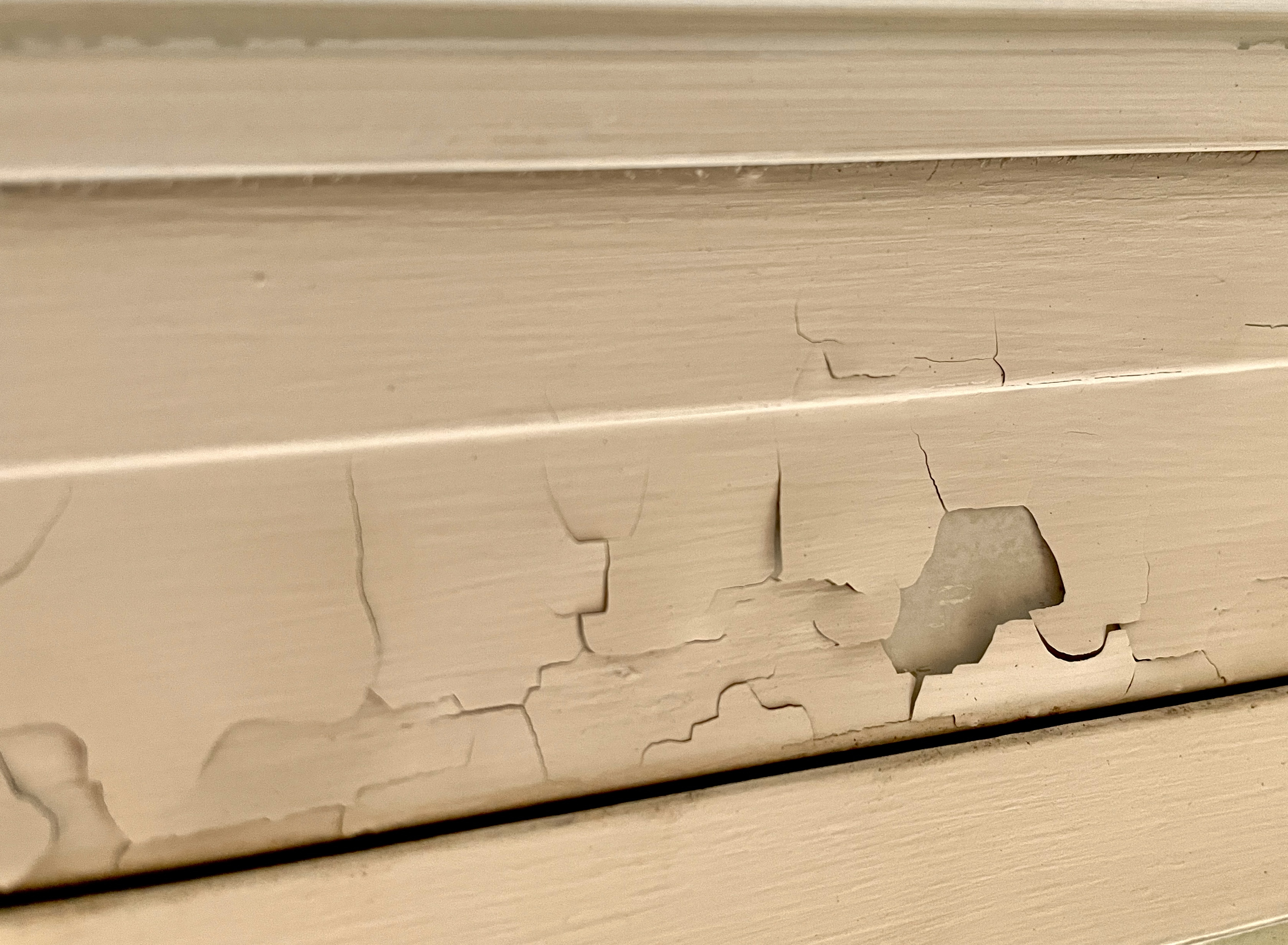
If your house was built before 1978 and you’re noticing cracking or peeling paint, a lead paint inspection is a good idea. A lead paint inspection gives you accurate information about the presence, location, and condition of lead-based paint in your home. This information is essential for making informed decisions about lead paint removal to ensure your safety and health and that of your family. If your inspector finds lead, you’ll need to take steps to manage or remove the lead-based paint and comply with laws and regulations.
Unfortunately, lead dust does not look different from any other type of dust. You cannot detect it with the naked eye. To determine if you have lead dust in your home, you will need to hire a local company to take a sample from the paint and test it for you in a lab.
Lead removal is crucial in older homes to eliminate risks of lead poisoning, which can severely affect health, particularly in children, by impacting development and cognitive functions.
Professional lead removal involves identifying and safely removing or encapsulating lead-based paints and materials, using specialized equipment, and following strict safety procedures to minimize exposure and contamination.
Government regulations such as the EPA and OSHA govern lead removal procedures to ensure health and environmental safety during and after abatement.
The Shonto, AZ homeowners’ guide to lead testing and removal services
From average costs to expert advice, get all the answers you need to get your job done.
Get expert insights on lead paint inspection costs, including key cost factors and ways to save. Learn what affects your estimate and how to budget effectively.
Learn how to hire a qualified lead testing professional for your home. Find certified inspectors, understand costs, and protect your family from lead hazards.