"I called the Guy to inspect my place for Mold. I got an immediate response setting up an appointment for the next day. The Guy promptly showed up for our appointment, then went to work inspecting and analyzing the situation and what needed to be done. The Guy, is very competent, thorough and gets right to the issues with his professional work. I am very satisfied with the Guy's analysis inspection and results. I would recommend the Guy, for any type of work in his area of expertise to anyone with a similar question of Mold etc."
Lead Testing and Removal questions, answered by experts
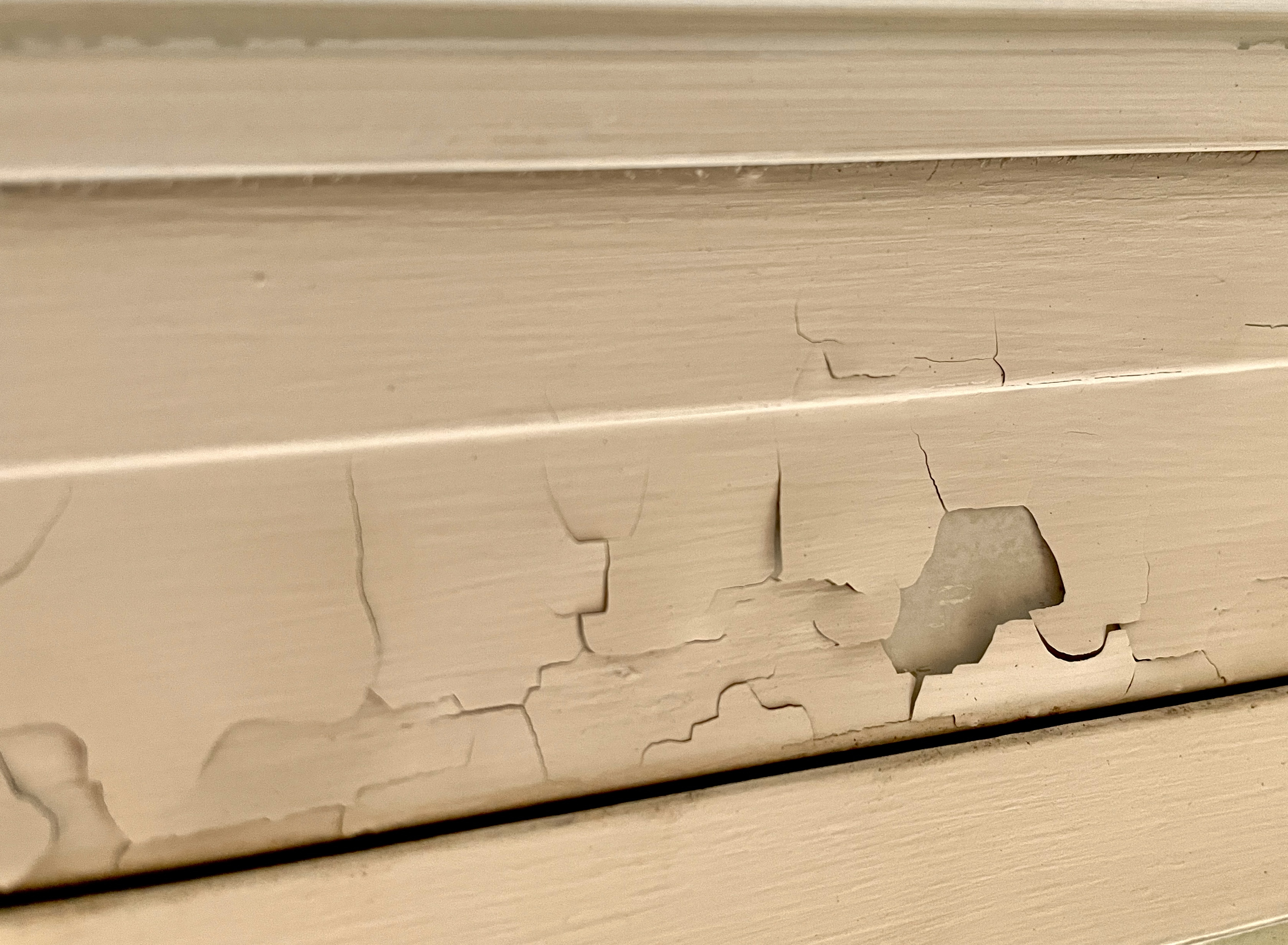
Properties should be tested for lead every 2-3 years, especially if they are older, have undergone renovations, or show deterioration of paint or interior finishes.
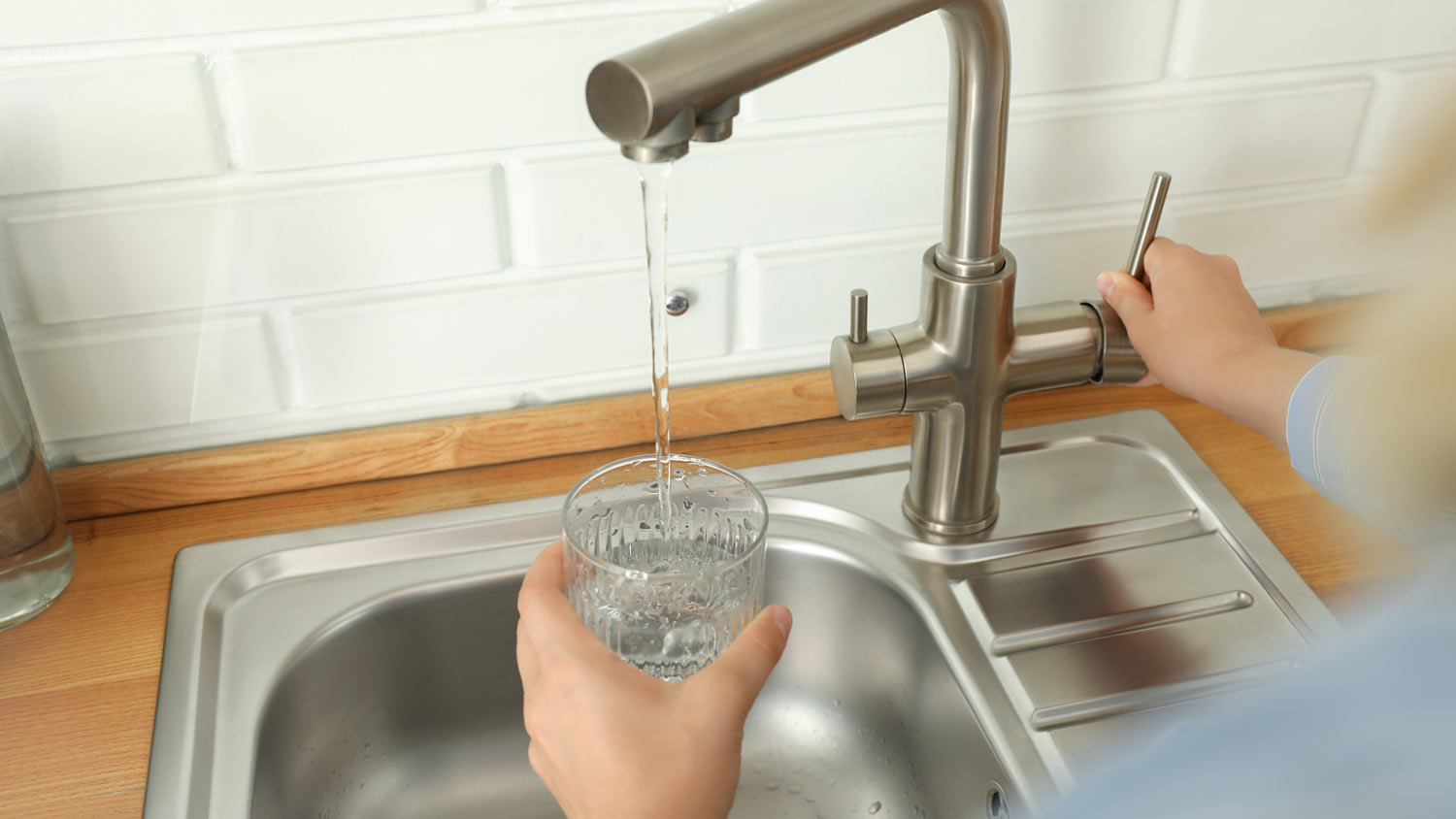
Some causes of brown well water—like excess tannins or dissolved iron—don’t pose a health risk. In other cases, harmful bacteria might be the culprit. If your well water has suddenly turned brown, it’s a good idea to use a home water test kit to get a better sense of what’s going on with your water. Consider calling a professional for an expert opinion before drinking the water and hoping for the best.
Lead paint test kits are not always accurate. Several factors can play into why a test kit provides an inaccurate result such as user error, sample viability, the age and condition of the paint, or difficulty interpreting the final result. If you are looking for 100% accuracy, hiring a professional lead paint test is the only way to get that piece of mind.
If your home was built before 1978, there’s a chance that any paint on your hardwood floors could be lead paint—especially if it was already there when you moved in. Because lead is toxic, hiring a licensed pro to remove it is mandatory. The average price for professional lead paint removal ranges from $1,500 to $5,300 and depends on the scope of the project.
No, you can’t place hazardous waste in a dumpster unless you specifically ordered a dumpster for hazardous waste removal. If the dumpster company finds hazardous waste that it didn’t approve for dumping, the company will return the waste to you, and you’ll likely face a fine for illegal dumping.
The Halls Crossing, UT homeowners’ guide to lead testing and removal services
From average costs to expert advice, get all the answers you need to get your job done.
Get expert insights on lead paint inspection costs, including key cost factors and ways to save. Learn what affects your estimate and how to budget effectively.
Learn how to hire a qualified lead testing professional for your home. Find certified inspectors, understand costs, and protect your family from lead hazards.