Top-rated lead testing and removal specialists.

Get matched with top lead testing and removal specialists in Round Rock, AZ

Enter your zip and get matched with up to 5 pros

Need a pro for your lead testing and removal project in Round Rock, AZ?

Select your specific project to find the pro for you.

Find Lead testing and removal specialists in Round Rock

Avatar for 21 Bravo, LLC
21 Bravo, LLC
5.0(
8
)

Serving Round Rock, AZ and surrounding areas

Approved

In business since 2023

Free estimates

Credit card accepted

"Collin really knows his stuff and has always been very helpful and thorough. We have had him inspect multiple homes and highly recommend him to anyone needing air quality testing or a home inspection."
Response time5 hrs
Response rate89%
1 neighbors recently requested a quote
Frontier
New to Angi

Serving Round Rock, AZ and surrounding areas

Asbestos is a hazardous material that poses serious health risks when its fibers become airborne and are inhaled. Exposure to asbestos can lead to severe respiratory diseases, including lung cancer and mesothelioma. For these reasons, it is essential to remove asbestos safely and in compliance with regulations to protect the health of occupants and ensure the property meets safety standards.

Lead Testing and Removal questions, answered by experts

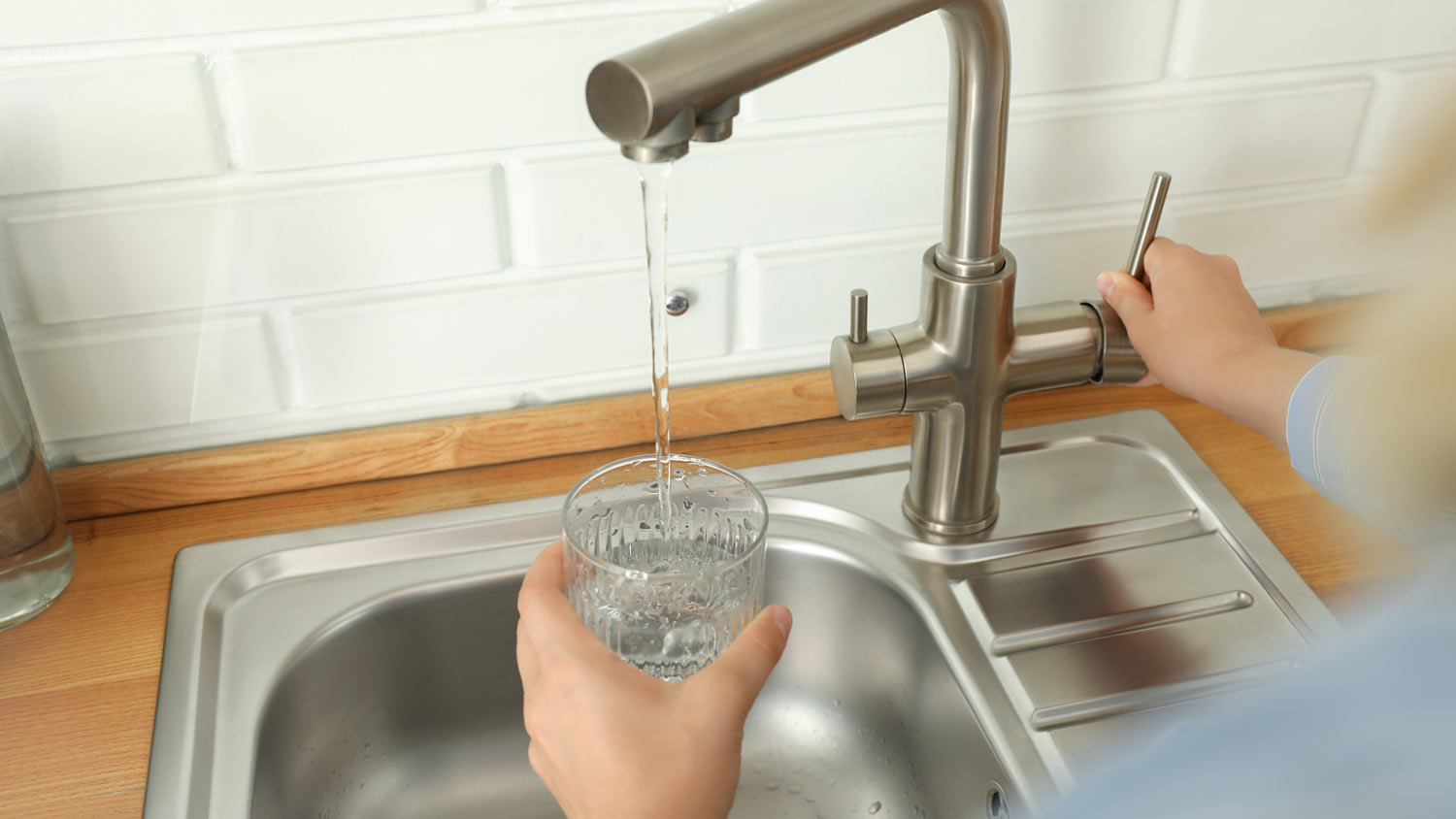
How you test for lead in your water depends on the source of your home's water supply. If you have municipal water, your local water system may offer to test the water for free or may connect you to a lab that will perform the testing.

If you have a private well that provides drinking water, you are responsible for testing it for lead. Look for a lab that is accredited by your state's Department of Environmental Protection to perform the test.

According to the Environmental Protection Agency (EPA), hazardous waste is generally classified into four main categories:

1. Characteristic Wastes: These exhibit at least one of four hazardous traits: ignitability (flammable, like gasoline), corrosivity (can rust or decompose materials, like car batteries), reactivity (unstable and can explode, like aerosol cans), or toxicity (harmful when ingested, like lead-based paint).

2. Listed Wastes: These are specific wastes from manufacturing and industrial processes that the EPA has officially designated as hazardous. They include byproducts from processes that use solvents, pesticides, and other chemicals.

3. Universal Wastes: These are commonly generated hazardous items that are subject to streamlined regulations. Examples include batteries, pesticides, mercury-containing equipment (e.g., bulbs), and some lamps.

4. Mixed Wastes: This category includes waste that contains both hazardous and radioactive components, making it subject to regulation by both the EPA and the Nuclear Regulatory Commission.
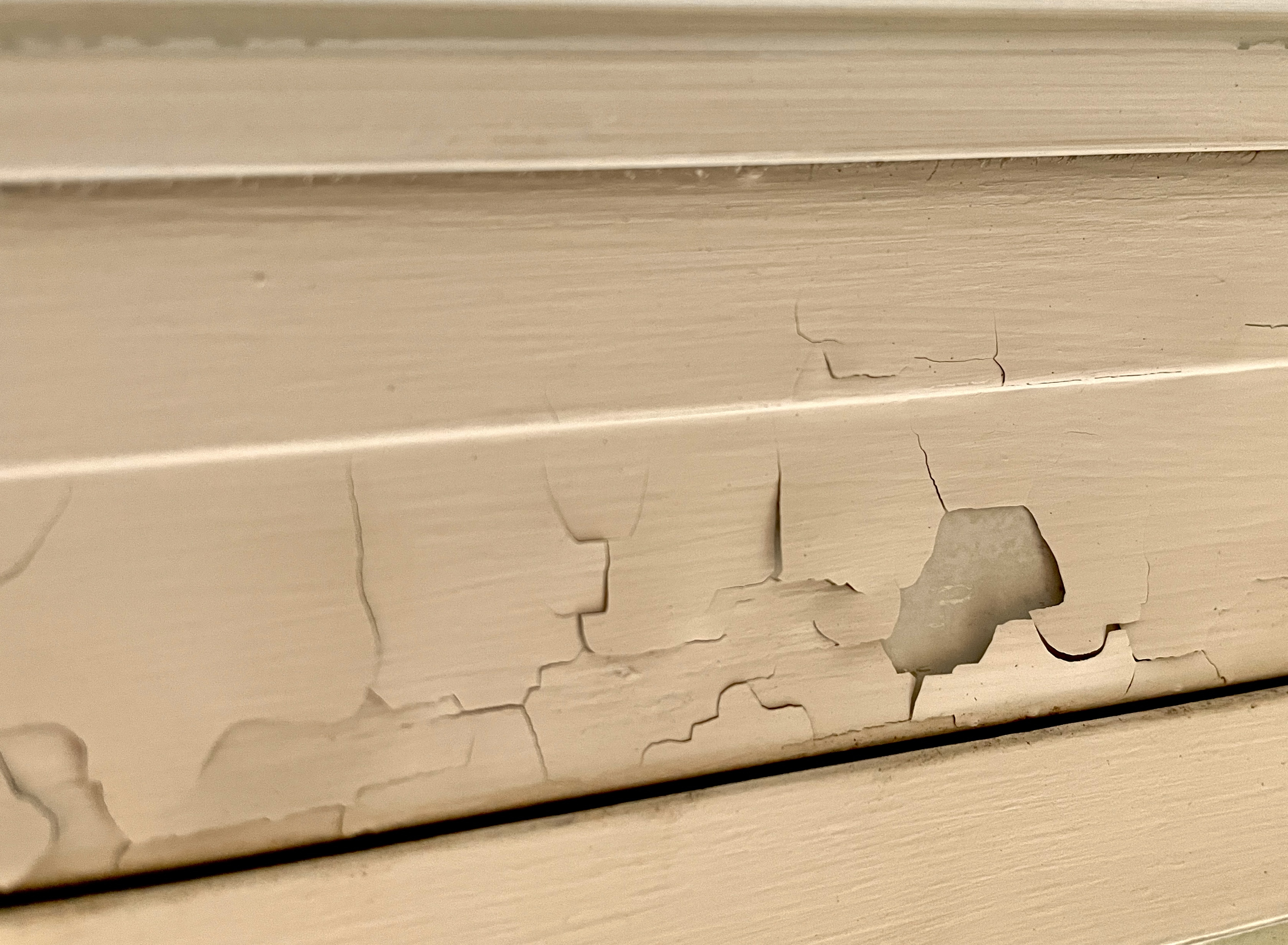
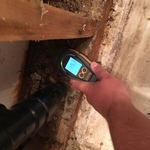
Professionals use specialized equipment and techniques to detect asbestos, radon, and VOCs.

Exterior paint contains a higher level of VOCs, which can be dangerous if you’re exposed to it for a long period of time. The good news is that paint’s toxicity reduces significantly once fully dried and cured. Do not keep open exterior paint cans in your home, basement, or garage, exposing your household to harmful chemicals over time.

Mold, VOCs, radon, carbon monoxide, and particulate matter are typically measured.

The Round Rock, AZ homeowners’ guide to lead testing and removal services

From average costs to expert advice, get all the answers you need to get your job done.