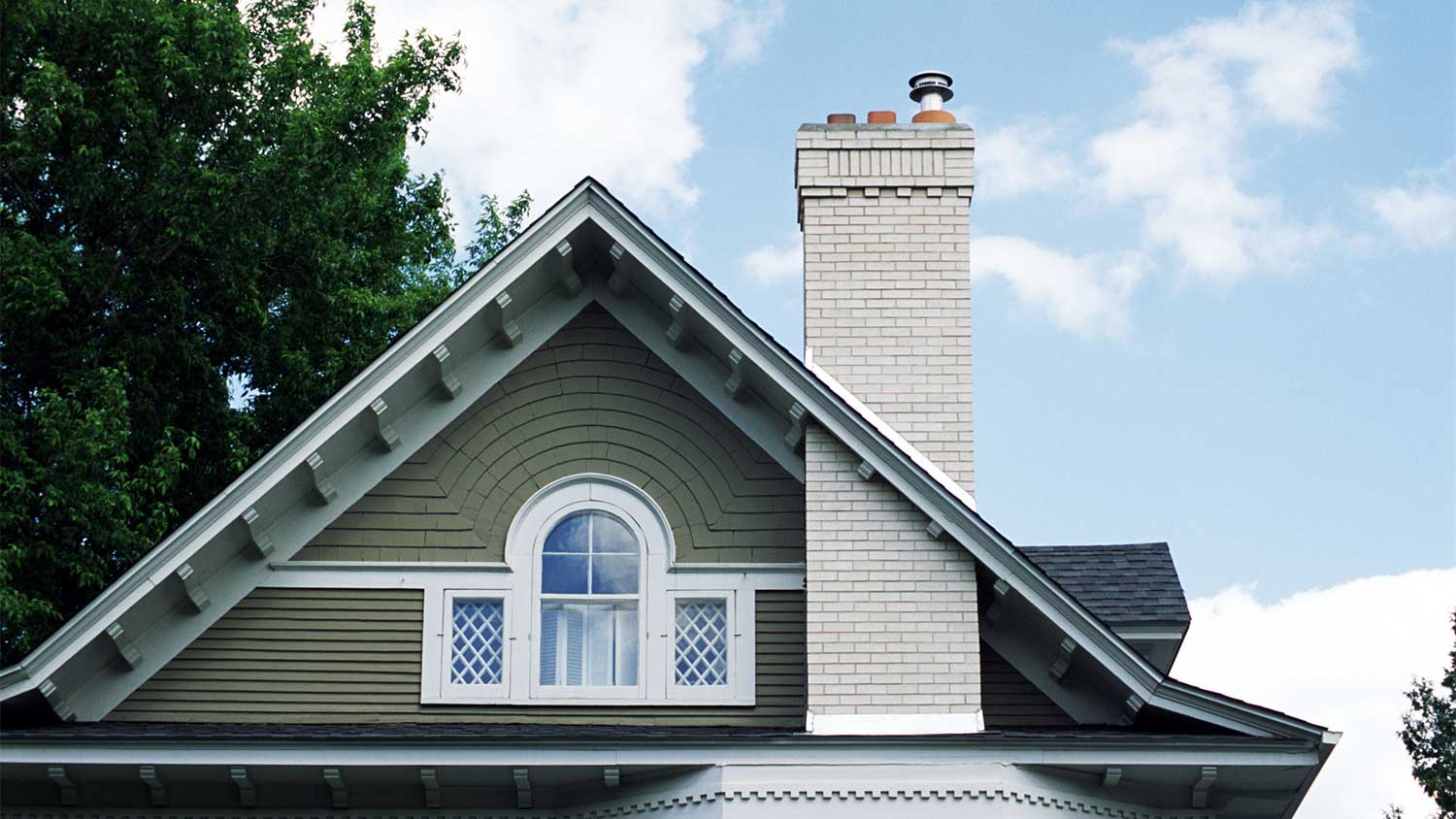
Yes, in some cases if your damper is left open, animals can come down your chimney. In these instances, it’s more likely that they have fallen in while looking for a safe spot rather than entered your house intentionally. Leaving your damper closed or installing a chimney cap can prevent animals from coming inside.
Some of the plants listed above, like daffodils, are poisonous to many animals if eaten. But wild animals instinctively avoid them, for the most part. Household pets don’t always have the same survival instinct, which is why it’s a good idea to familiarize yourself with common plants that pose a danger to cats and dogs.
Vinegar can keep some animals at bay, like deer, rabbits, foxes, and raccoons. Keep in mind that your household pets, like cats and dogs, also don’t like the smell of vinegar. You can soak rags in white vinegar and put them up around your garden beds to keep the pesky critters from eating your plants.
Woodpeckers peck at the break of dawn and take a break whenever the sun is not shining. On sunny days, expect pecking from dawn to dusk. On cloudy days, expect sporadic pecking when the sun peeks through. These birds are most active in the spring; you’ll hear them drumming as soon as the weather turns warm.
No, mothballs do not keep bats away. Not only are mothballs completely ineffective when repelling or removing bats, but using them could be illegal, depending on where you live. Remember, bats are federally protected, and it's illegal to use chemicals during the removal process, and mothballs tend to fall into this category.
The Shonto, AZ homeowners’ guide to bird control services
From average costs to expert advice, get all the answers you need to get your job done.
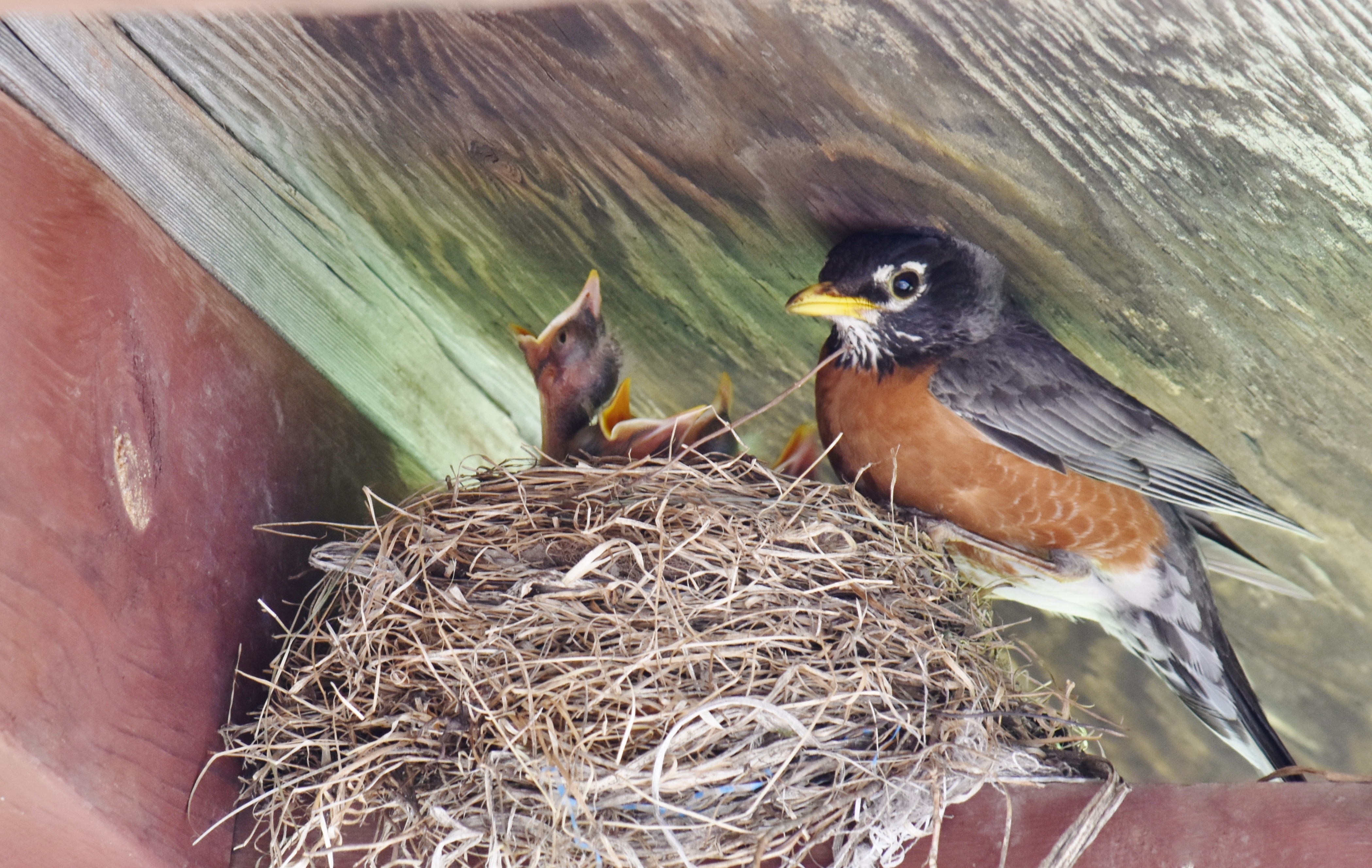
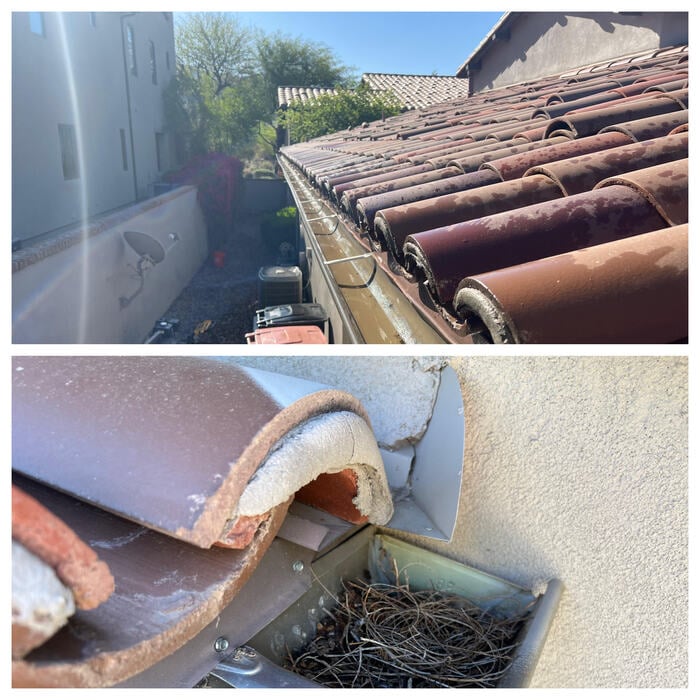
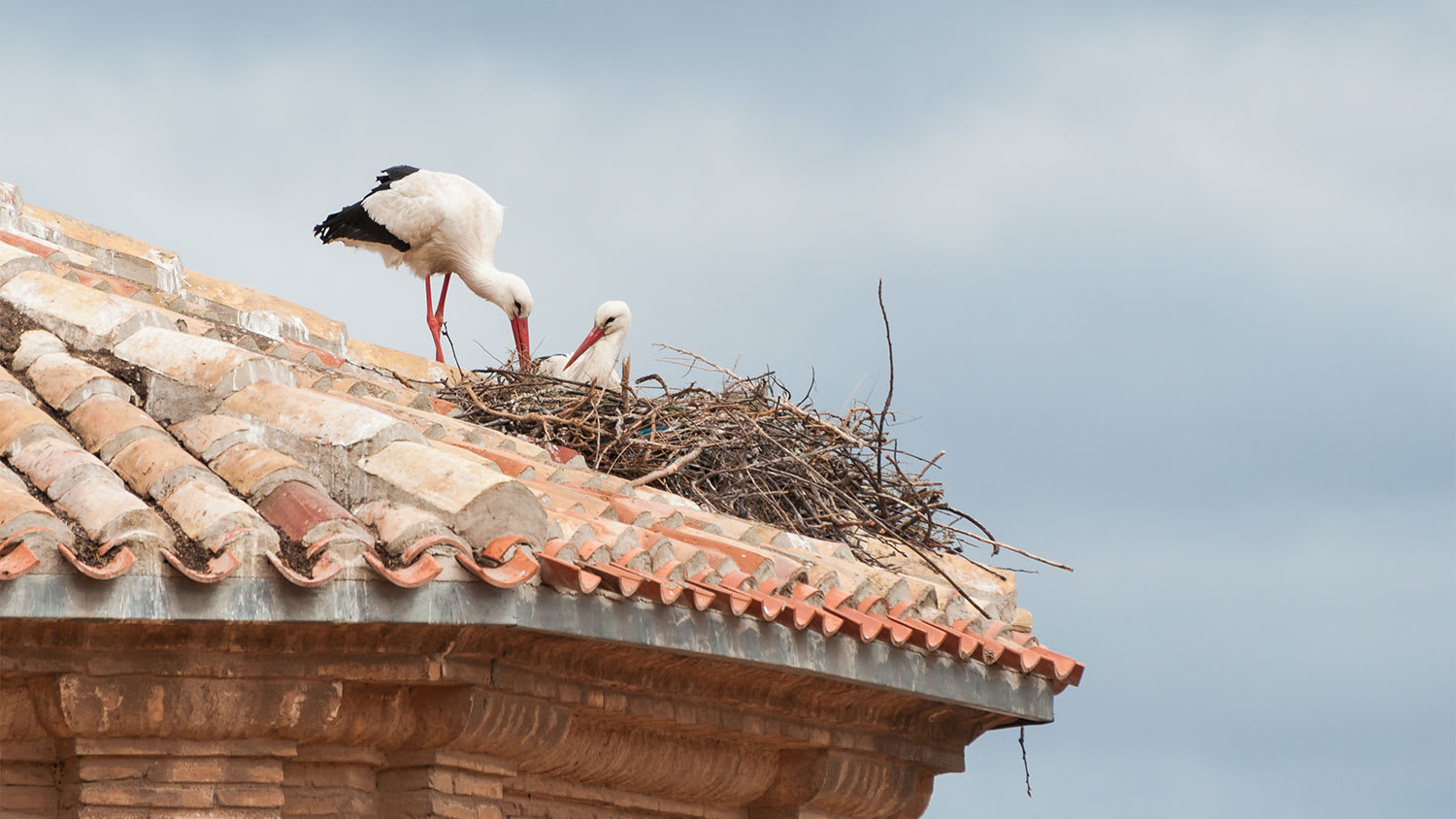
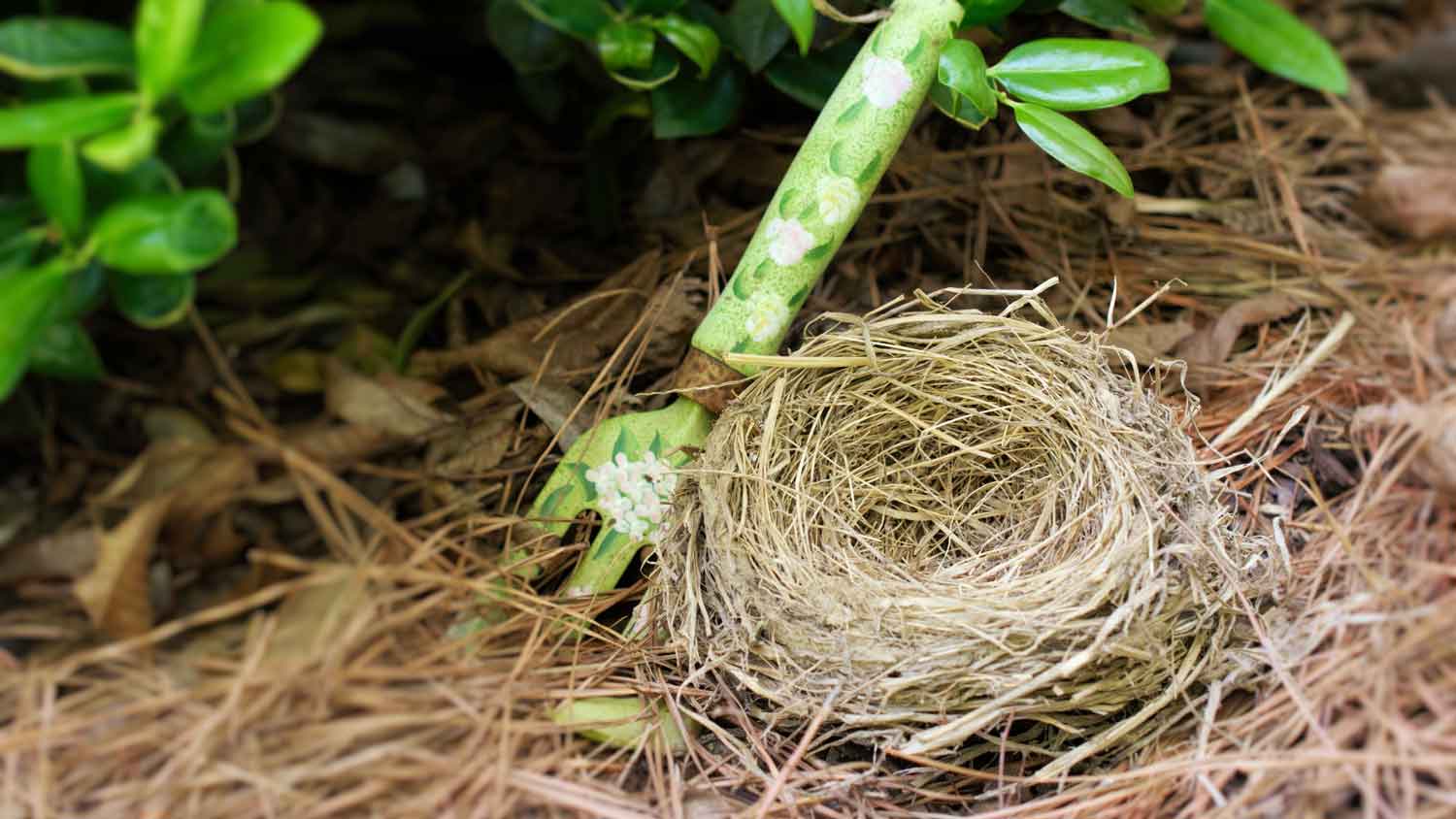
Sometimes birds nest in unwelcome places. Find out how much bird nest removal will cost based on factors like location, bird species, and preventative measures.