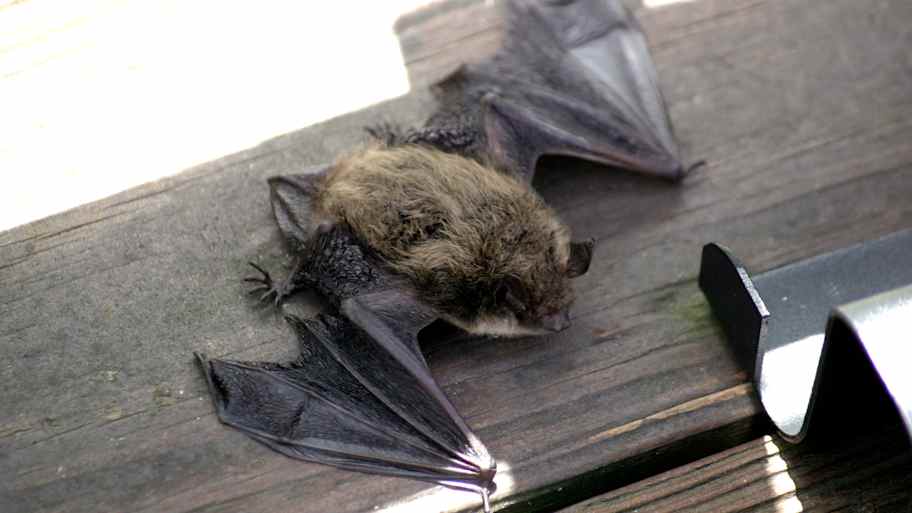
No, you shouldn’t have to worry about bats in your yard as long as they don’t make their way inside your house. Typically, bats hang around backyards in order to consume bugs, especially if they’re located in the U.S. Bats that are native to North America can consume more than 500 bugs per hour, so they may actually benefit your yard if mosquitoes are prevalent.
DIY treatments may help minor issues, but professionals provide long-term solutions and prevent recurrence.
DIY animal removal is rarely a good idea and is not advised for many reasons. First, these types of animals can carry diseases and, therefore, pose a health risk to you, your family, and your pets if mishandled. Second, depending on your city or municipality, it may be illegal to remove or handle wildlife yourself.
Sealing your home against these animals yourself is also a bad idea. Trapping an animal under your house will cause odor and insect problems when it passes away.
Many different types of animals like to build nests in attics. The types may vary depending on your home’s condition and location and you can prevent them by sealing off entry points and eliminating food sources.
The most common critters that like to build nests in your attic include:
Raccoons
Bats
Squirrels
Mice
Rats
When woodpeckers start banging on your walls or roof, they are probably looking for insects to eat, storing nuts for winter, drilling a hole to make a nest, or communicating with other birds to establish territory or find a mate.
The size of the hole can help determine the reason for the pecking. Small irregular holes are a result of insect hunts. Acorn holes are more consistently sized and often fitted with a nut in the middle. Nest holes are large and have rounded edges. If the bird is pecking to mark its territory or attract a mate, it may leave dents rather than holes, and the noise will stop when the mating season starts in spring.
The Dennehotso, AZ homeowners’ guide to bird control services
From average costs to expert advice, get all the answers you need to get your job done.
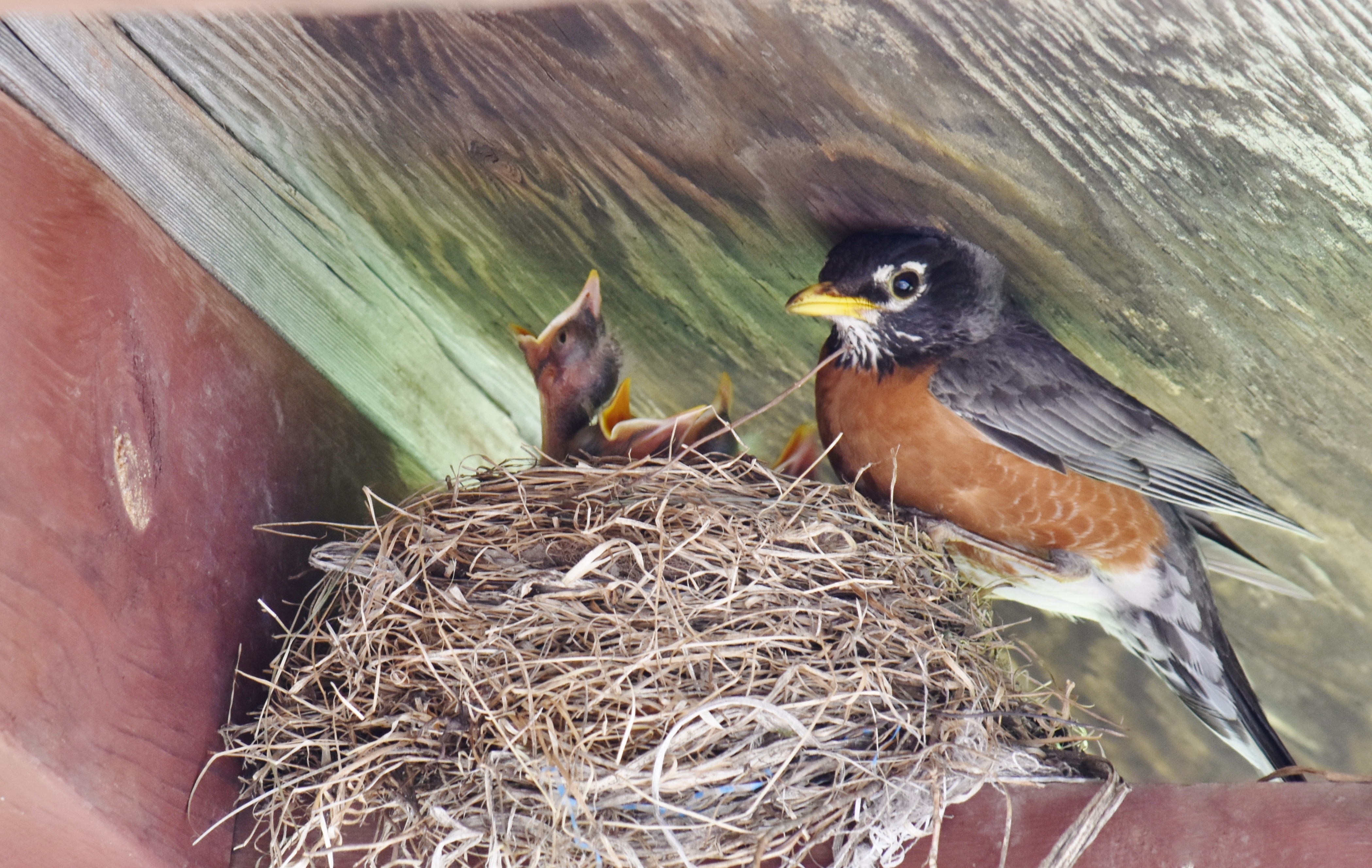
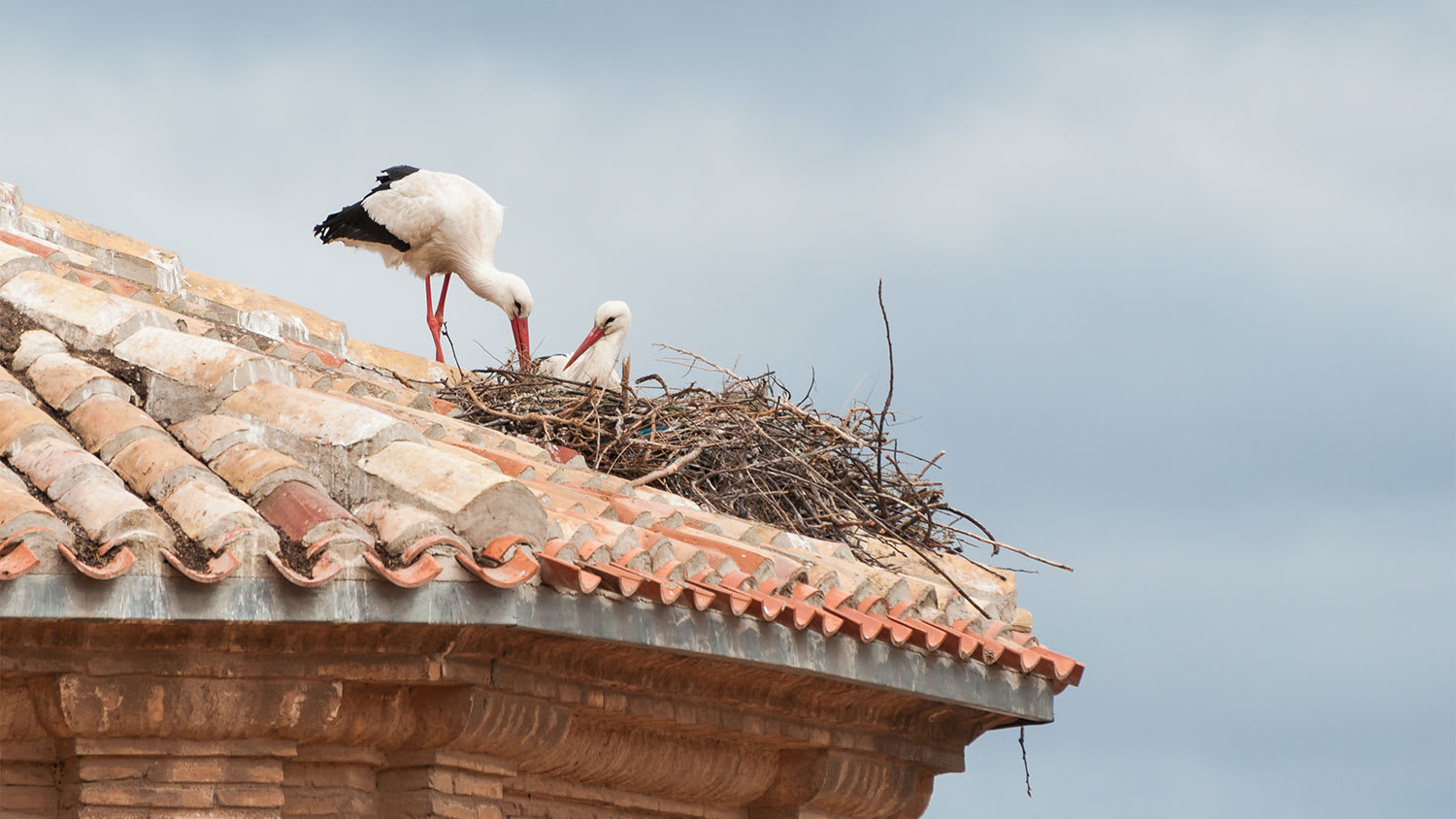
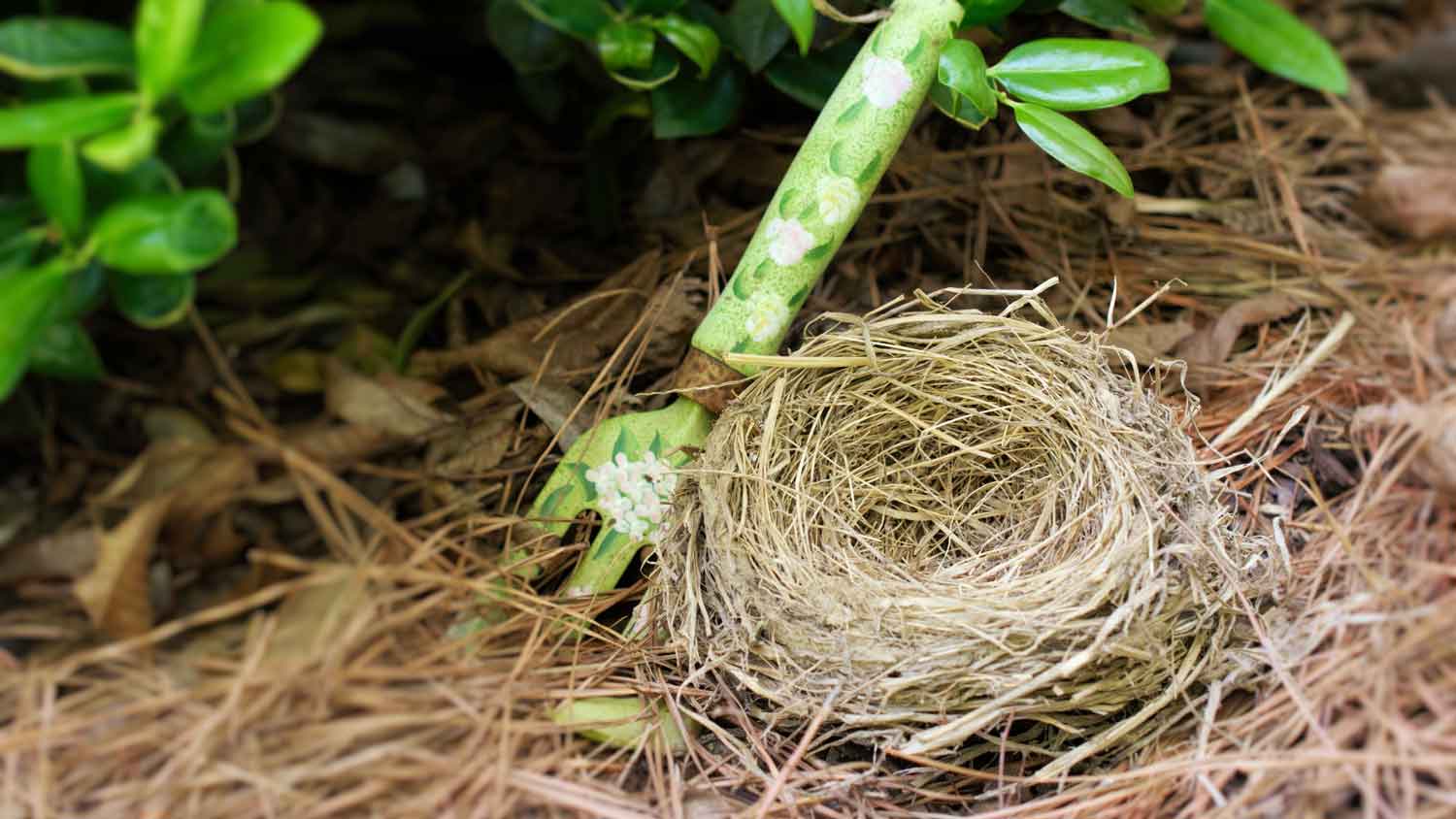
Sometimes birds nest in unwelcome places. Find out how much bird nest removal will cost based on factors like location, bird species, and preventative measures.