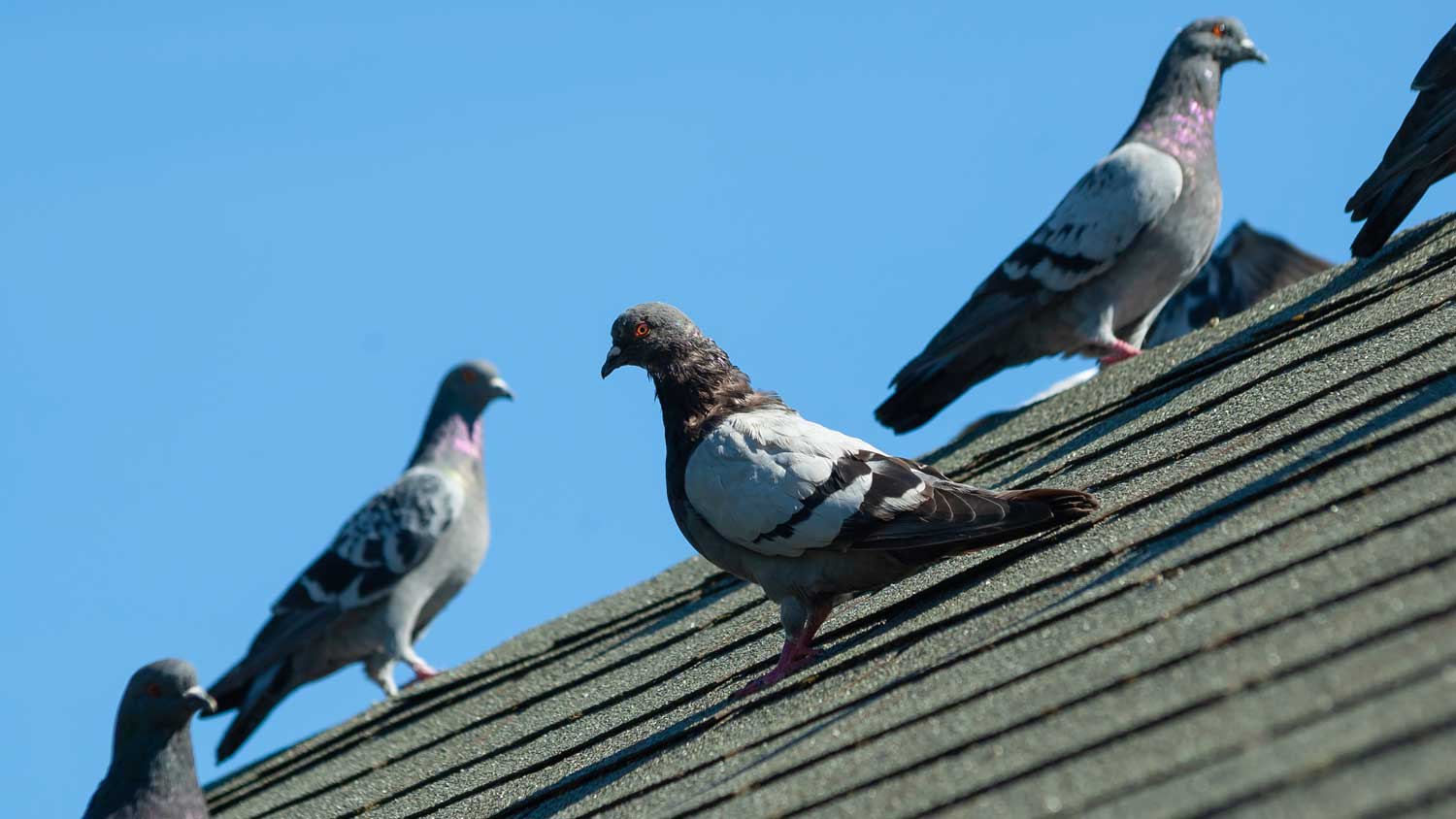
When it comes to keeping birds from doing their business on your porch rails, you have several DIY options and home remedies you can try:
Tie a fishing line from one end of the deck post to the other. Birds won’t be able to see the line across the railing, so they can’t land on it.
Hang wind chimes close by, which may scare birds away.
Apply a bird gel repellent to the railings, which contains smells that birds generally don’t like. Or, similarly, you can apply citronella or lemon oil around the railings, since birds don’t like strong smells.
Natural swimming pools are designed to deter pests, including mosquitoes. While any body of water can potentially attract pests, the natural filtration system keeps the water clean and constantly moving. Mosquitoes specifically are attracted to standing water, so the continuously circulating water in a natural pool makes it an inhospitable environment for them.
There are a few ways to keep pesky bugs away from your garden. One option you have is to plant flowers so beneficial insects like ladybugs can control pests for you. A similar method is companion planting, which means you’ll grow vegetables that’ll discourage pests, like garlic, onions, and basil. The best pest prevention method will depend on the bugs you have issues with and the plants in your garden.
Woodpeckers may seek out homes with aluminum siding or tin roofs because these surfaces echo their drumming. Homes with wood siding are more frequently targeted as roosting areas or for food sources. If you have insects living in the exposed wood in your home, the birds are likely looking for a snack, in which case your best option is to hire an exterminator.
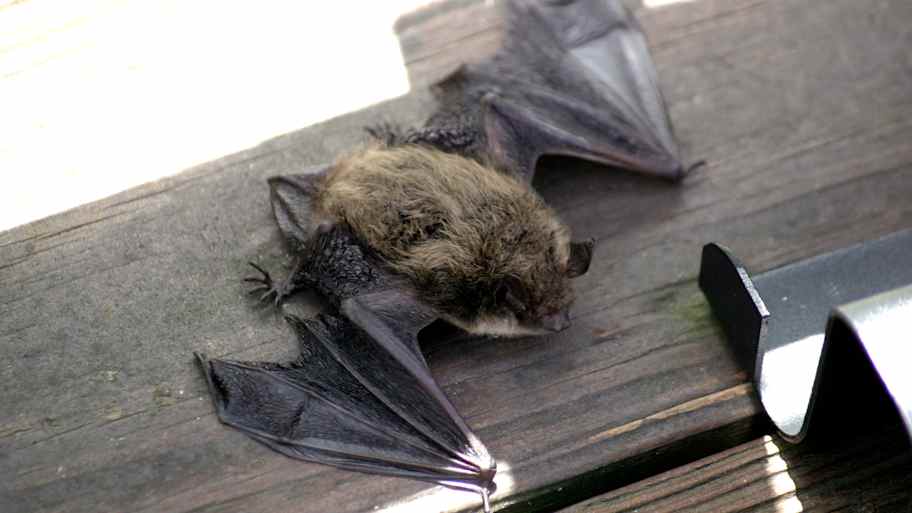
Professional pest control services for birds and bats prevent property damage, preserve health standards by avoiding the buildup of droppings, and ensure humane removal and prevention techniques.
The Ganado, AZ homeowners’ guide to bird control services
From average costs to expert advice, get all the answers you need to get your job done.
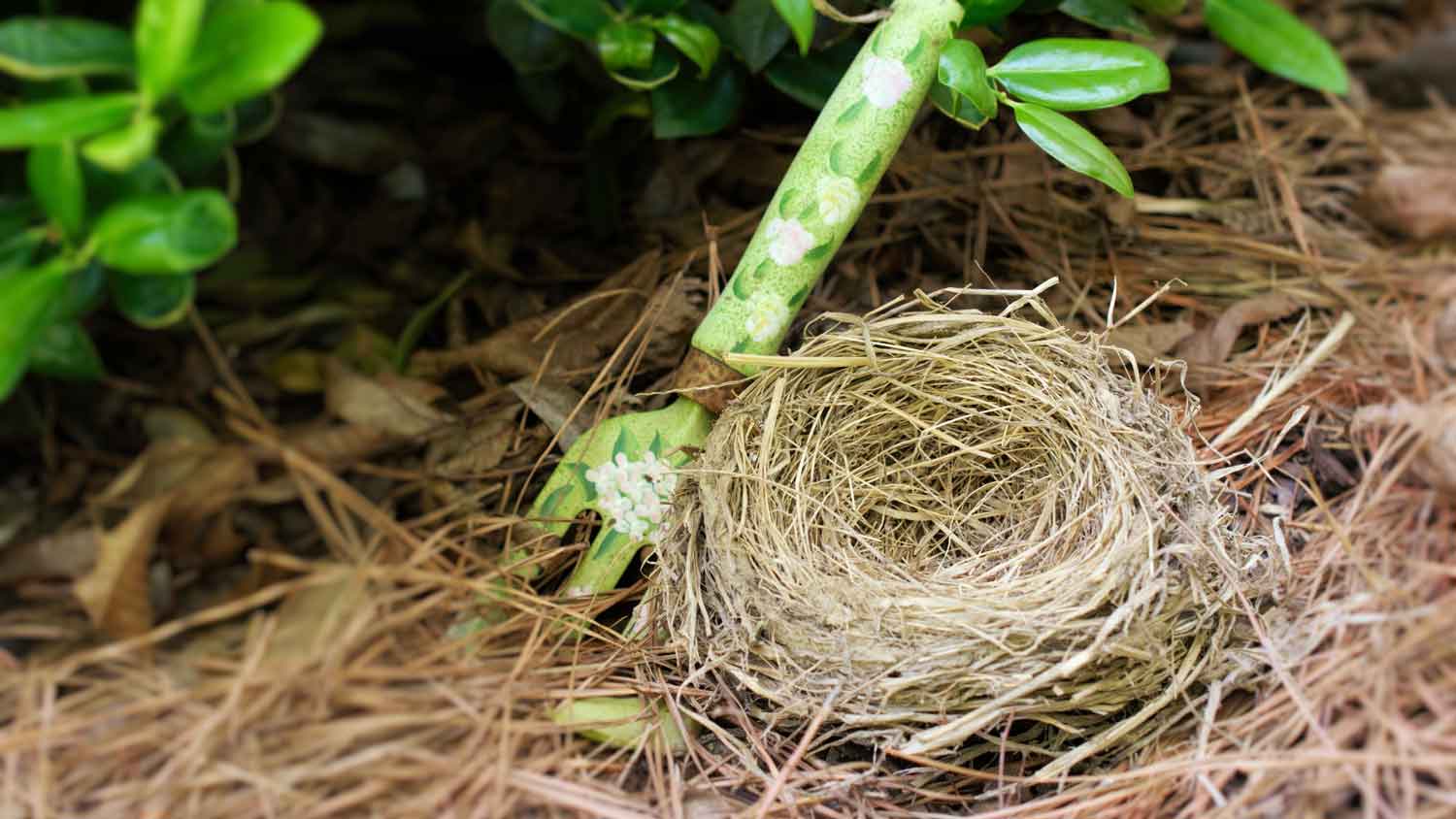
Sometimes birds nest in unwelcome places. Find out how much bird nest removal will cost based on factors like location, bird species, and preventative measures.