"Hector was very professional in providing estimates and answering question during during the survey. I would recommend him to others that might be considering similar services."
"We had the opportunity to work with Paul Filan as the person to come out to help understand our home situation with foundation cracks. This isnâ t a call any homeowner wants to make as itâ s $$$!!! I understood the importance of having it looked at before the issue gets worse. Before the appointment, I was given via mail valuable information on their company and processes they implement for fixing various issues. Now Iâ m informed which I appreciate before our meeting. Paul called to confirm our appointment days before hand. (It was an actual person and the person that is coming!!! Never happens any more!) Paul was on time, came prepared for all my questions and really took in all that I had to say. It felt like Paul was a friend that knew foundations/concrete instead of a sales person. Even worse a push sales person that thinks they are gods gift. I could see and feel Paul wanted to understand what we see and hear our thoughts on the issue. He addressed our questions from a higher perspective and then a deeper analysis of our home and foundation. Itâ s over 100 degrees out and Paul didnâ t rush anything. He came back and took time to explain in detail the issues, how he sees them and how they address our questions. Made us feel part of the process and helped us learn how these happen and such. Paul then presented the price in the form of options or levels of fixing. The layout was clean and straightforward. The prices seemed fair and matched the work that would be going in to the project. Each option was ok with him to be selected and described the differences. We ended up doing option three which was everything he found to be fixed. We were not pushed to that option but made the most sense for us. It was also really nice to see the pride he had for his company and his job. To me that tells he values and likes his job. Iâ m going to value and like the end result. Great customer service, knowledgeable, professional, honest, caring, able to communicate things I have no knowledge about in a way I can understand and now feel educated of the issue/process/ result."
I’m originally a builder build houses and sell used to be a foreman for a huge concrete company also dealt with framing block etc. Here to help out with some quality work and good prices.I’ve been in Buisness for 16 years
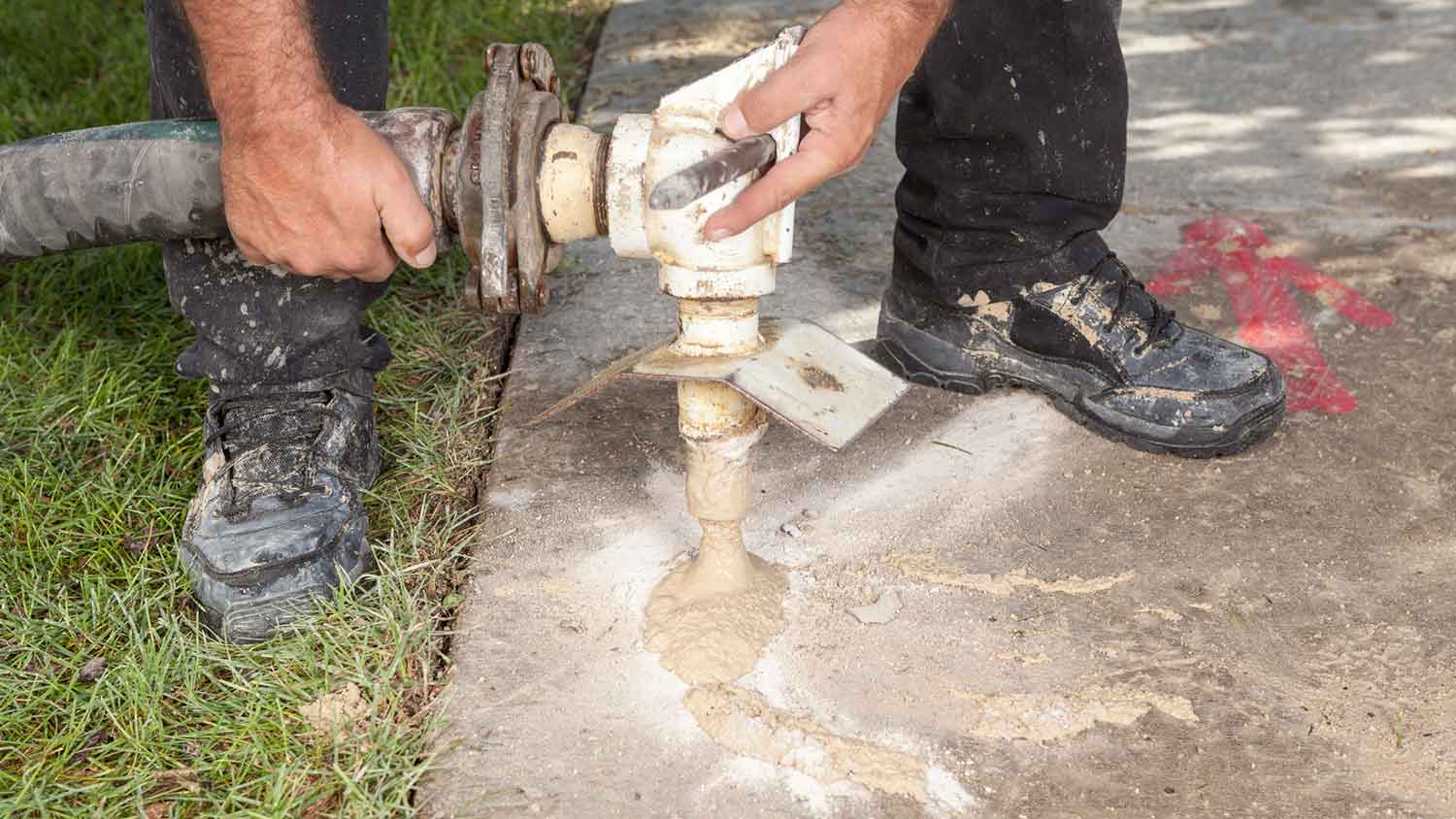
There is no real alternative to underpinning, although mudjacking and polyjacking are other repair methods that can add support from underneath your foundation. Rather than placing supportive piers under your structure, these involve pumping a material under your slab to lift a sunken section back into its original position. Polyjacking, in particular, is sometimes a suitable solution for stabilization issues under slab foundations, but underpinning is often accepted as the best and most permanent solution.
Generally speaking, push piers—or steel piers—are the best option for underpinning, as they reach down to solid bedrock to find support for your foundation rather than relying on soil, which could be subject to the same issues as the soil directly below your foundation. However, the best underpinning method for your home depends on your location, how far down the bedrock is, and the type of soil in your area. Helical piers are usually the best option for sandy soil or in areas where the bedrock is too deep to use steel piers.
Most houses are expected to settle over time, but foundation sinking of more than a few inches or uneven sinking of more than an inch for every 20 feet is cause for concern. Any significant or uneven sinking should be assessed by a professional to determine the cause and perform any necessary repairs.
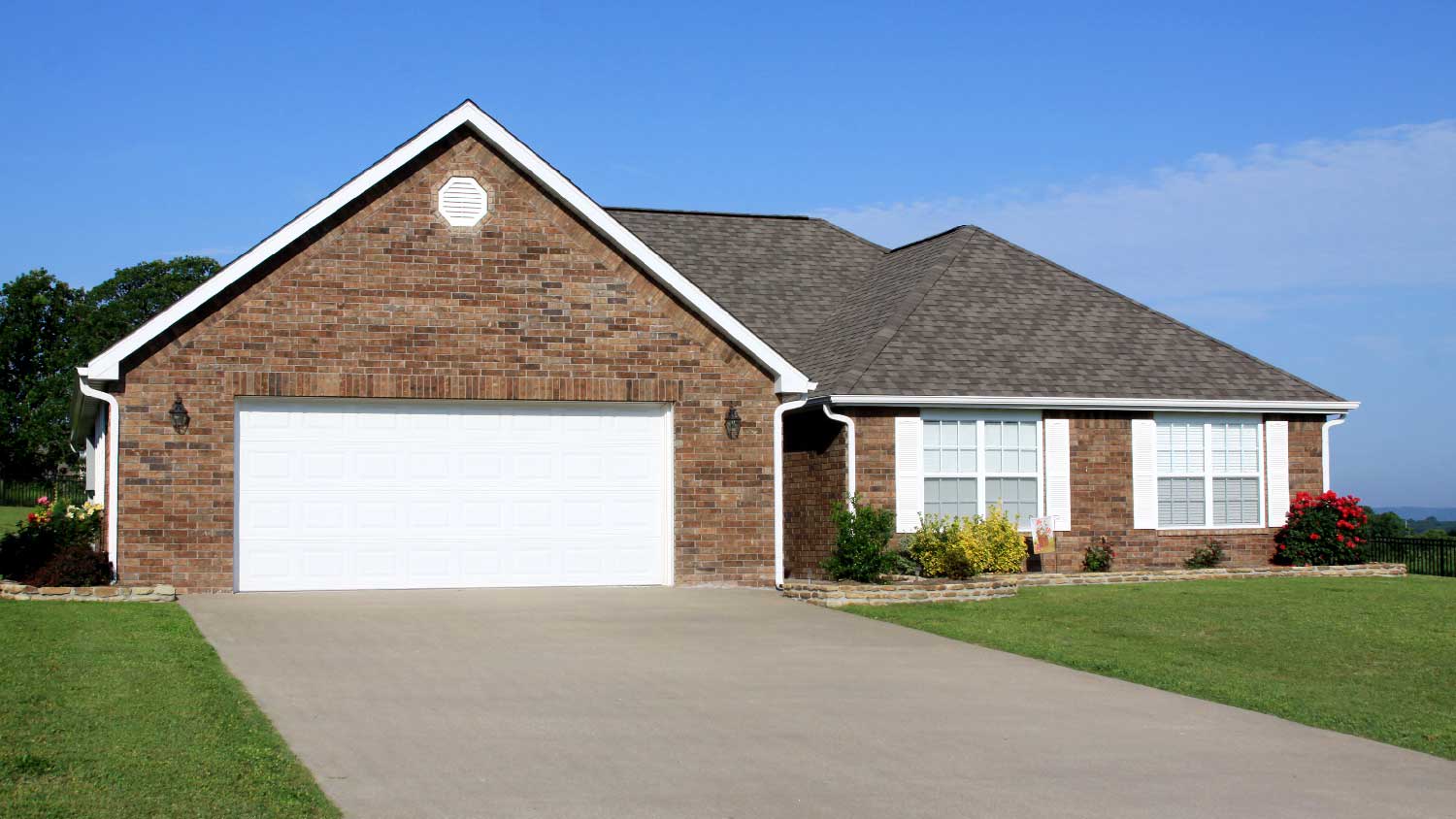
The average cost for mudjacking is around $1,200, though prices can range from $300 to $3,400. On a per-square-foot basis, you can expect to pay between $3 and $8, with an average of about $5 per square foot. The final cost depends on several factors, including the square footage of the concrete, the type of slab, its accessibility, whether it is load-bearing, and the type of material used to lift it. Generally, lifting a driveway, small patio, or sidewalk is less expensive than lifting a slab foundation or garage floor.
Yes, expanding foam (also known as polyurethane foam) can lift concrete. This approach, called polyjacking, involves injecting the foam rather than concrete slurry to fill voids and raise the concrete slab back into place. It’s often faster and requires smaller drill holes than traditional mudjacking, though it may come at a higher cost. Some contractors also prefer polyjacking over mudjacking for more damaged and delicate slabs.
The Sells, AZ homeowners’ guide to concrete leveling services
From average costs to expert advice, get all the answers you need to get your job done.
Learn about concrete leveling and how it can fix uneven surfaces, from sunken sidewalks to uneven driveways, and boost your home’s safety and curb appeal.