Hanging wind chimes or motion-activated speakers near your home may be an effective way to deter woodpeckers, as sudden movement and sound often scare birds away. You could also try using reflective decorative items such as pinwheels or mirrors or placing decoys of large predatory birds in your yard. If these measures don’t deter the woodpeckers, you may need the help of a bird removal pro.
If a wild animal enters your yard, prioritize safety for yourself and the animal. Remember to avoid direct contact and always keep a safe distance. Contact local authorities or a wildlife rehabilitation center if the animal is hurt or in distress. Both sources should be able to guide you on how to proceed and send help if needed. Please wait for the animal to leave naturally for non-threatening situations, as many will. To deter future visits, implement measures like securing trash cans, sealing entry points, and removing potential food sources.
Removal typically takes 1-3 days. Sealing entry points and cleanup may require additional time.
To keep animals out, you must prevent them from entering. As long as they can get in, the problem will persist. That said, consider making your attic less inviting using deterrents like motion-activated lights or ultrasonic devices. Additionally, keeping a well-maintained, clean, and uncluttered attic that you regularly inspect for activity may make the space less attractive to critters.
Woodpeckers may seek out homes with aluminum siding or tin roofs because these surfaces echo their drumming. Homes with wood siding are more frequently targeted as roosting areas or for food sources. If you have insects living in the exposed wood in your home, the birds are likely looking for a snack, in which case your best option is to hire an exterminator.
The Sanders, AZ homeowners’ guide to bird control services
From average costs to expert advice, get all the answers you need to get your job done.
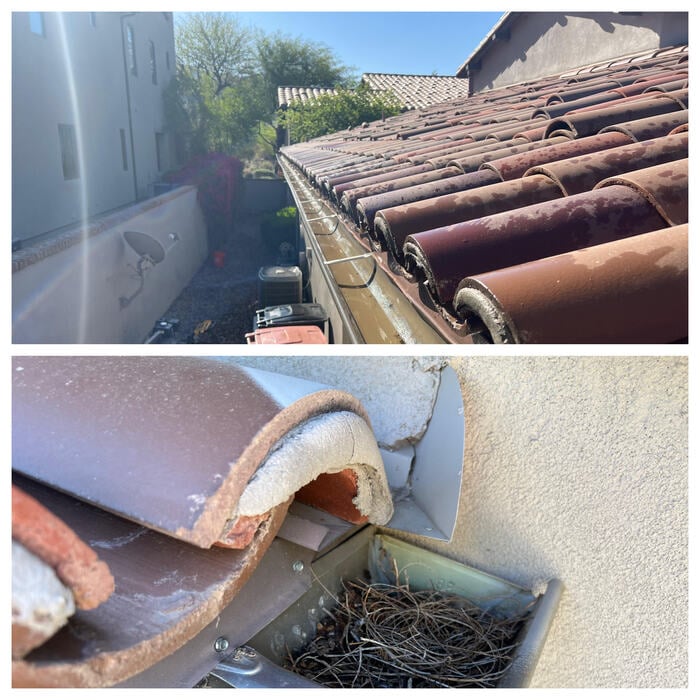
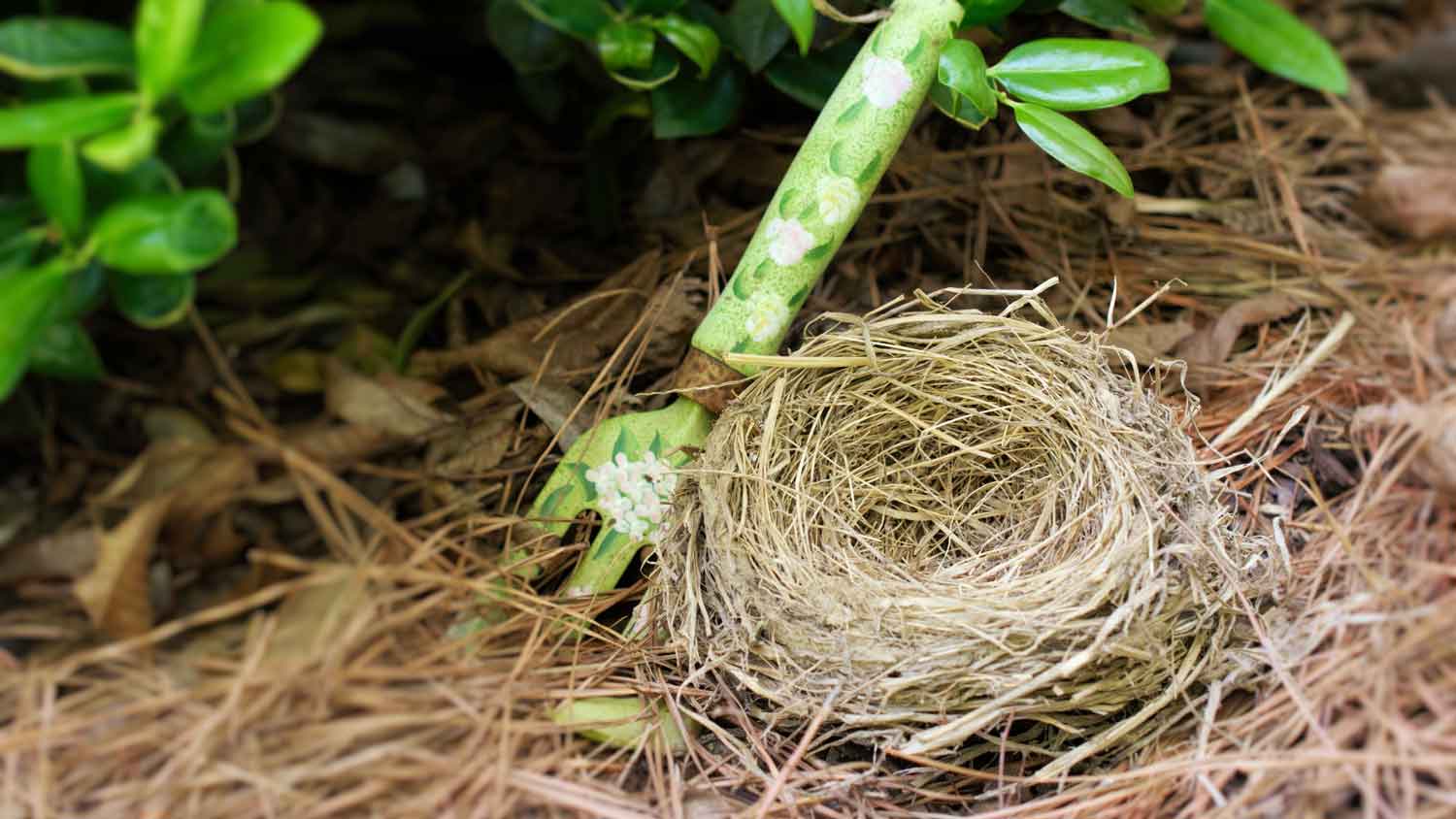
Sometimes birds nest in unwelcome places. Find out how much bird nest removal will cost based on factors like location, bird species, and preventative measures.