

Top-rated lead testing and removal specialists.

Get matched with top lead testing and removal specialists in Church Rock, NM

Enter your zip and get matched with up to 5 pros

Need a pro for your lead testing and removal project in Church Rock, NM?

Select your specific project to find the pro for you.

Find Lead testing and removal specialists in Church Rock

Frontier
New to Angi
Toxic Lead - AbatementToxic Lead - Testing

Serving Church Rock, NM and surrounding areas

Asbestos is a hazardous material that poses serious health risks when its fibers become airborne and are inhaled. Exposure to asbestos can lead to severe respiratory diseases, including lung cancer and mesothelioma. For these reasons, it is essential to remove asbestos safely and in compliance with regulations to protect the health of occupants and ensure the property meets safety standards.


Lead Testing and Removal questions, answered by experts

Properties should be tested for lead every 2-3 years, especially if they are older, have undergone renovations, or show deterioration of paint or interior finishes.

“Testing” can start with your senses: Assessing your water’s appearance, taste, and smell can all be good first steps. The best way to know for sure what’s going on with your water is to use a well water testing kit, which can tell you about the specific levels of bacteria, dissolved solids, and hardness of your water with precision. Have a pro test your well water at least once per year.

A lead paint inspection is a thorough examination and assessment of a building or structure to determine the presence of lead-based paint. Lead-based paint was commonly used in buildings before 1978 when its health hazards were fully understood. Lead is toxic and can pose health risks, particularly to young children and pregnant women. Getting a lead paint inspection means finding a lead paint inspector to examine the surfaces of the building—such as walls, ceilings, doors, windows, and other painted areas—and identify the presence of lead-based paint.

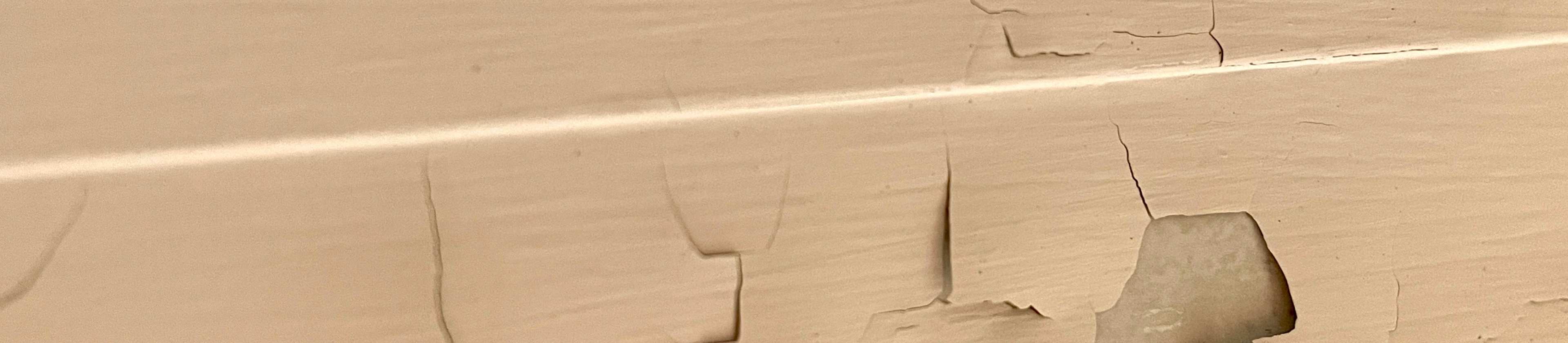
Lead toxicity comes from inhaling lead or consuming it. Before the 1980s, when the government banned lead from consumer use, it could be found in paint, plumbing, pipes, ceramics, and even gasoline. Lead paint is toxic for the same reason lead itself is toxic, which is why lead poisoning from paint presents the same as lead poisoning from water or food sources, with a slight increase in respiratory symptoms vs. digestive symptoms. Lead paint is most dangerous when it’s old and peeling, cracking, or otherwise disturbed. This increases the concentration in the air and, therefore, in breathable air. 

While the EPA provides guidelines for homeowners to perform DIY lead paint removal, it is a risky process and generally not recommended due to serious health risks and strict regulatory requirements. The process requires precise safety precautions, such as wearing a respirator and protective eyeglasses, creating sealed exits, and using a HEPA vacuum for cleanup. To ensure the job is done safely, effectively, and in compliance with regulations, it is highly recommended to hire a professional lead abatement company. Certified professionals have the necessary training, experience, and specialized equipment (like chemical strippers and HEPA vacuums) to handle and dispose of hazardous materials safely.

The Church Rock, NM homeowners’ guide to lead testing and removal services

From average costs to expert advice, get all the answers you need to get your job done.