
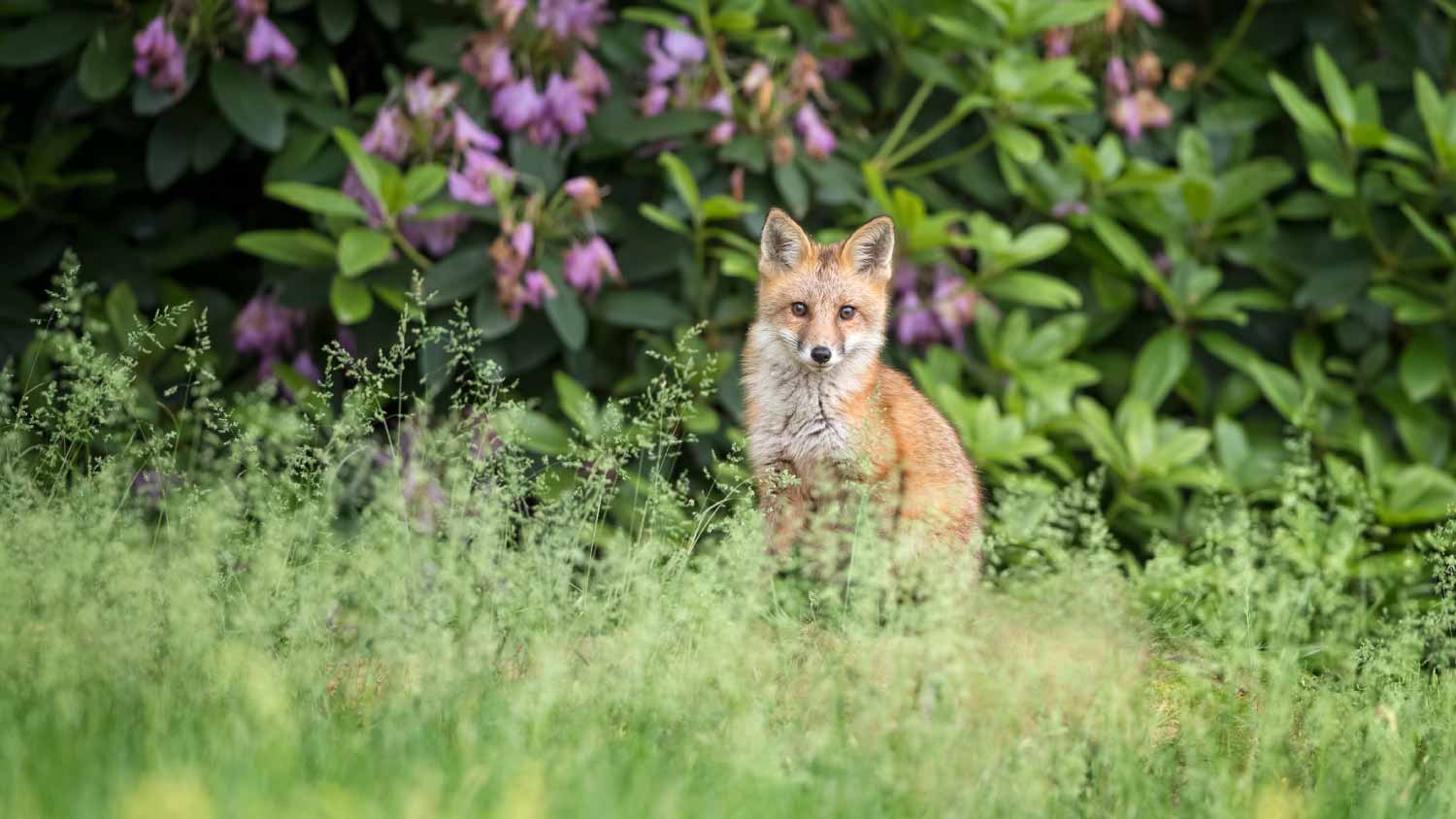
Foxes are opportunistic scavengers, so you don’t want to give them an excuse to park on your property. Learn how to keep foxes away from your yard.
Give a hoot about humane owl removal

Owls visit your yard when rodents are active, bird feeders attract small prey, or open spaces provide clear hunting sightlines for these protected predators.
Professional wildlife removal costs range from $190 to $585, and addressing owl issues early helps you avoid higher costs from ongoing property concerns.
You can make your yard less inviting by controlling rodents, removing bird feeders, trimming dense tree branches, and installing visual deterrents like reflective objects.
Hiring a local wildlife control professional keeps owl removal legal and humane, ensuring compliance with federal protections while providing safe, effective relocation solutions.
Owls are amazing and beautiful creatures out in the wild. But they can create a few headaches when hanging out in your yard. But here's the thing: Giving a hoot about these stunning birds is vital. They keep the ecosystem in check by being top-notch predators, so ensuring a peaceful coexistence is critical. Here, we peck out humane methods for how to get rid of owls without causing any harm.
Owls are attracted to yards for several reasons, mostly related to their hunting and nesting behaviors. Understanding what owls perceive as amenities will help you take steps to coexist with owls or discourage their presence peacefully.
Rodent activity: Owls are skilled hunters attracted to areas with abundant rodent populations. Simply put, yards overrun with rodents are a buffet for owls.
Open spaces: Owls prefer open areas where they can hunt effectively. Yards with open lawns or fields are appealing, as they provide clear sightlines.
Nesting sites: Owls may choose yards with suitable nesting sites. Trees, shrubs, sheds, barns, attics, or nesting boxes provided by humans may attract owls.
Bird feeders: They attract small birds and small animals. For many owls, these creatures make quick and easy meals.
Small pets: Owls are opportunistic predators. They may visit yards where small pets are left outside and unattended.
Water sources: Owls need water for drinking and bathing. Yards with ponds, birdbaths, or other water features may attract owls, especially during hot and dry periods.
First, when wondering how to get rid of birds, it’s crucial to know that federal and state legislation safeguards owls, ensuring their protection. And these laws are very necessary. Around 13 species of owls in the U.S. are on the endangered list.
For people with owl issues on their property, working with a local wildlife professional is best to ensure that the birds are dealt with legally and humanely. Costs vary from $190 to $585, based on your location and the extent of the issue. Nest removal costs are typically an extra expense. But remember, it's important to note that you can't disturb an active nest belonging to a native species.

While not all owls are nocturnal, the ones who are can be hard to spot. Also, some owl species are better at hiding their presence than others. Here are telltale signs to look for if you have a hunch that owls might be hanging out in your yard.
Not every owl hoots; even among those that do carry a hooting tune, it's not their only vocal trick. Alongside hoots, owls can produce various sounds, including chirps, whistles, screeches, barks, growls, or even the occasional spine-tingling scream.
Owls typically swallow small animals whole and then regurgitate indigestible parts of their prey into pellets. If you find small, dark-colored, oval-shaped objects on the ground, often near a favored roosting or nesting spot, these could be owl pellets.
Owl poop might easily be confused with pigeon droppings—a thick, white paste-like substance that doesn't easily dissolve in water.
Research the types of owls in your area and look for owl feathers around your yard or under trees. Owls lose feathers naturally, and they’re a clear sign of their presence.
Owls typically don't construct their own nests from scratch. Instead, they frequently repurpose abandoned nests built by other creatures. These nests might get a cozy makeover with additions like bark, feathers, animal fur, and leaves. So, if you notice an abandoned nest may have a new tenant, it could be an owl.
The most prevalent issue for homeowners facing down a flock of birds is nesting, which accounts for over 38% of professional bird removal visits. Under the Migratory Bird Treaty Act, it is illegal to move or destroy a bird’s nest containing eggs or chicks. After nesting, waste and noise are common bird issues that warrant consulting a pro. Waste is the most obvious sign that owls are taking up residence in or near your home.
Because owls are protected, your goal is to encourage owls to find alternative habitats. Creating an unwelcoming environment for owls in a humane manner involves making your property less attractive to them without causing harm. Here are some steps you can combine for optimal impact.
Implement effective pest control measures to reduce the presence of rodents, which are a primary food source for owls. Secure trash cans, eliminate food sources (like pet food left outdoors), and seal off openings where rodents might hide or enter your yard. And yes, ditch that bird feeder.
Seal any openings, holes, or crevices in buildings, sheds, or trees that owls might use for nesting. Install owl nesting boxes nearby to provide an alternative nesting option. Additionally, Owls love to roost in dense evergreens and other types of trees. Trim or remove overhanging branches that owls may use.
Unsettling owls using various methods is easy and effective. Reflective objects, scarecrows, motion-activated lighting, loud talk radio, and large eagle decoys throughout your yard could do the trick.
You can deter owls from hanging out in barns or sheds without causing harm by installing spikes in areas where they like to roost. You will find this type of bird deterrent in most home improvement stores. To install, use industrial glue or screws.

Learning how to keep owls away might be as simple as figuring out how to install bird netting. Bird netting can be used to prevent owls from swooping into or walking into parts of your yard. The frustration it causes may encourage owls to leave.
Remember that while netting can be an effective method to protect your yard from owls, it's essential to ensure that it doesn't harm other wildlife inadvertently and that its use complies with local regulations and animal protection laws.
Identify the areas in your yard where owls pose a threat, such as garden beds, ponds, or areas with small pets. It will also help you determine how much netting to use.
Choose a sturdy, fine mesh netting designed for bird protection. Remember, the owl shouldn't be able to get through the mesh. You will also need support posts or stakes to create a framework for the netting. The posts should be at least 10 feet high so that there’s headroom.
You may want to pick up some gravel to secure the posts. To secure the netting to posts, use zip ties or twine. To secure the nets to the ground to create walls, you will need landscape staples or weights. Grab your wire cutters and scissors to cut and shape the netting.
Using a shovel, install support posts or stakes around the area you want to protect. Space them evenly, about 5 to 10 feet apart, depending on the size of the area. As a rule of thumb, the holes for the stakes or posts should be roughly 2 feet deep. Afterward, secure them with dirt or gravel
Using a ladder and the help of a friend or two, drape the bird netting over the support structure, ensuring that it covers the entire area you want to protect. Secure the netting to the posts using zip ties or twine, ensuring it is taut and doesn't sag.
To prevent owls from walking or swooping under the netting, secure the bottom edges to the ground. You can use landscape staples or weights to hold it down.
Trim any excess netting using scissors or wire cutters to ensure a neat and secure fit.
Periodically check the netting for damage or sagging. Repair or tighten as needed to maintain its effectiveness.
Keep an eye on your yard to see if the netting effectively deters owls. Adjust or reinforce the netting as necessary.
Whether to handle an owl issue yourself or hire a professional depends on the specific circumstances, regulations, and your comfort level with wildlife management. Here are some factors to consider:
Knowledge and experience: If you know the owl species, their behavior, and effective deterrent methods, you can address the issue yourself.
Cost: DIY methods are often more cost-effective, as you won't incur expenses for professional services.
Humane approaches: DIY methods can be humane if executed correctly, focusing on discouraging owls from hanging out rather than harming them.
Legal considerations: It is illegal to harm owls. And in many instances, you can only relocate them with proper permits. Professionals can ensure compliance with wildlife regulations.
Expertise: Wildlife professionals have the knowledge and experience to assess the situation, identify the owl species, and employ effective and ethical methods for owl management.
Safety: Handling wildlife, including owls, can be risky. Professionals have the necessary training and equipment to handle these situations safely.
Ethical considerations: Professionals prioritize the welfare of the owls and the preservation of local ecosystems while addressing any concerns you may have.
Long-term solutions: Wildlife experts can provide long-term solutions that consider the ecological balance and help prevent future owl-related issues.
A reliable team for moves across state. My switch to a new place needed careful lifting through tight hallways. The movers checked the doorway first, then carried heavier pieces with slow, controlled movements. Their patience helped prevent damage, and I?d choose them again.
This company does it right. Firstly, I want to say that Landan was a joy to work with. He was so kind, transparent, and had everything under control. His entire team showed up ready to work and they were all very respectful of the fact that we were in an office space. A little backstory – we...
 Krumlauf Floors
I had FabClean 614 clean my apartment, and she did an outstanding job. She was so professional and efficient. My apartment looks absolutely spotless every surface, every corner, all cleaned to perfection. Definitely highly recommend FabClean 614 if you're looking for top-notch cleaning...
 Fab Clean 614
Raven and crew does absolutely fantastic job. They are very professional if any concerns were to occur with any of her work she always took responsibility and finished out with a great job. I have worked with her business for a year and have always been satisfied. Very trusted business and...
 Creations of Transformation LLC
I would recommend this company to anyone! He showed up on time, was friendly, completed a very difficult repair on our dryer vent cover, was responsive, and pricing was extremely fair and competitive. I would have him back to do any of our repairs or cleanings without hesitation!
 U.S.A. Dryer Vent, LLC
Best cleaning I've had at my property
Ace Fireplace Services' chimney sweep service is truly exceptional. They used advanced technology to ensure a thorough cleaning process, and my chimney has never looked better. I highly recommend their services.
 Ace Fireplace Services
This company went above and beyond with their work, chimney sweeps are usually pretty messy, but the clean up was spot on.!! Josh explained every thing that he was doing, and the things that he was checking to make sure the chimney was safe for me and my family. He was very professional,...
 Supreme brick & chimney
Good workers and they do a good job.
 Mira Construction
Mary Cleaning Service is fantastic! The entire team is professional and pay a great deal of attention to detail. They do such a thorough job of cleaning my house. I would definitely recommend!
From average costs to expert advice, get all the answers you need to get your job done.
Foxes are opportunistic scavengers, so you don’t want to give them an excuse to park on your property. Learn how to keep foxes away from your yard.
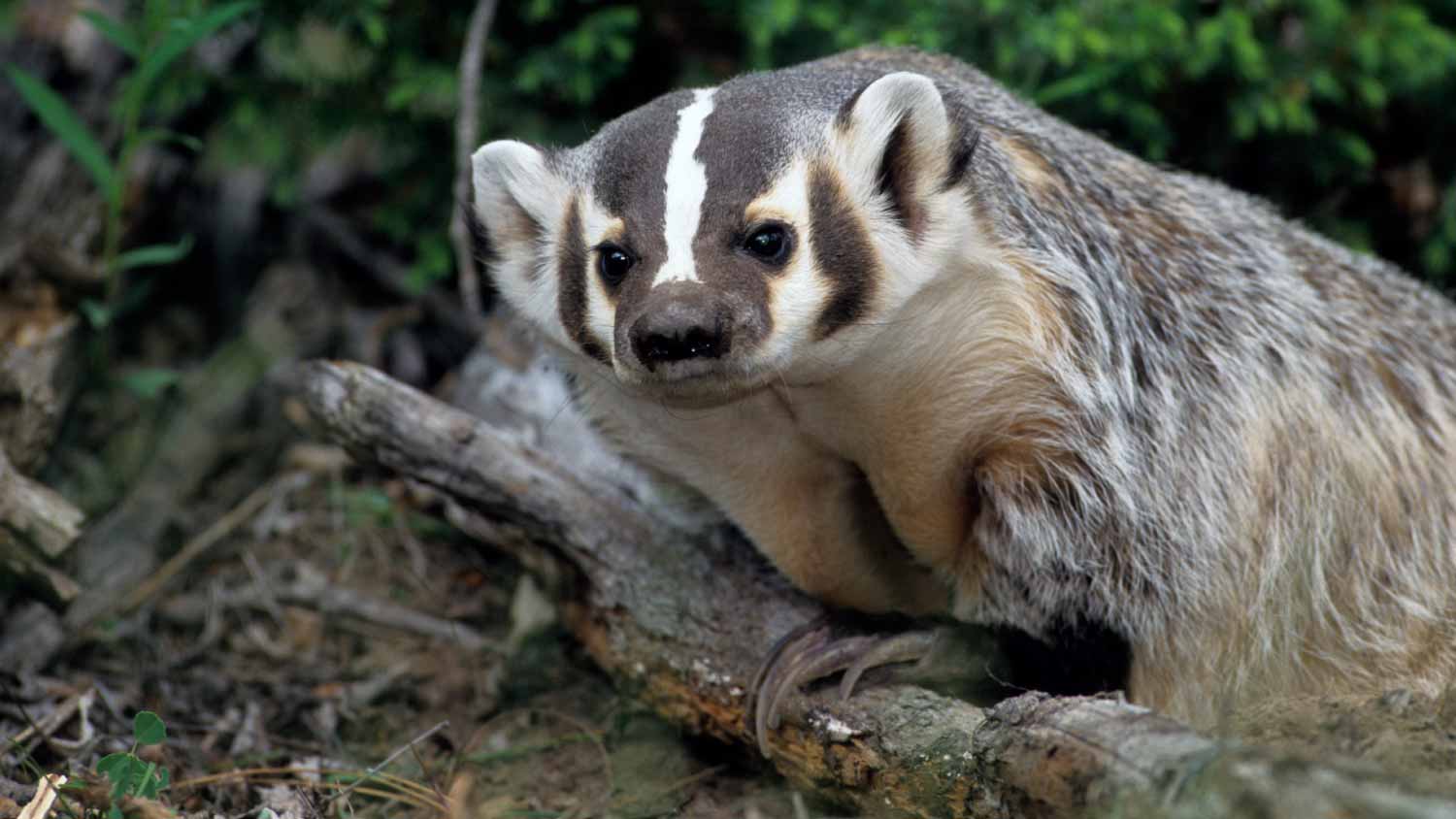
Learn how to keep badgers away in a safe and humane way. They’re cute, but you don’t want them taking up residence in your home and garden.
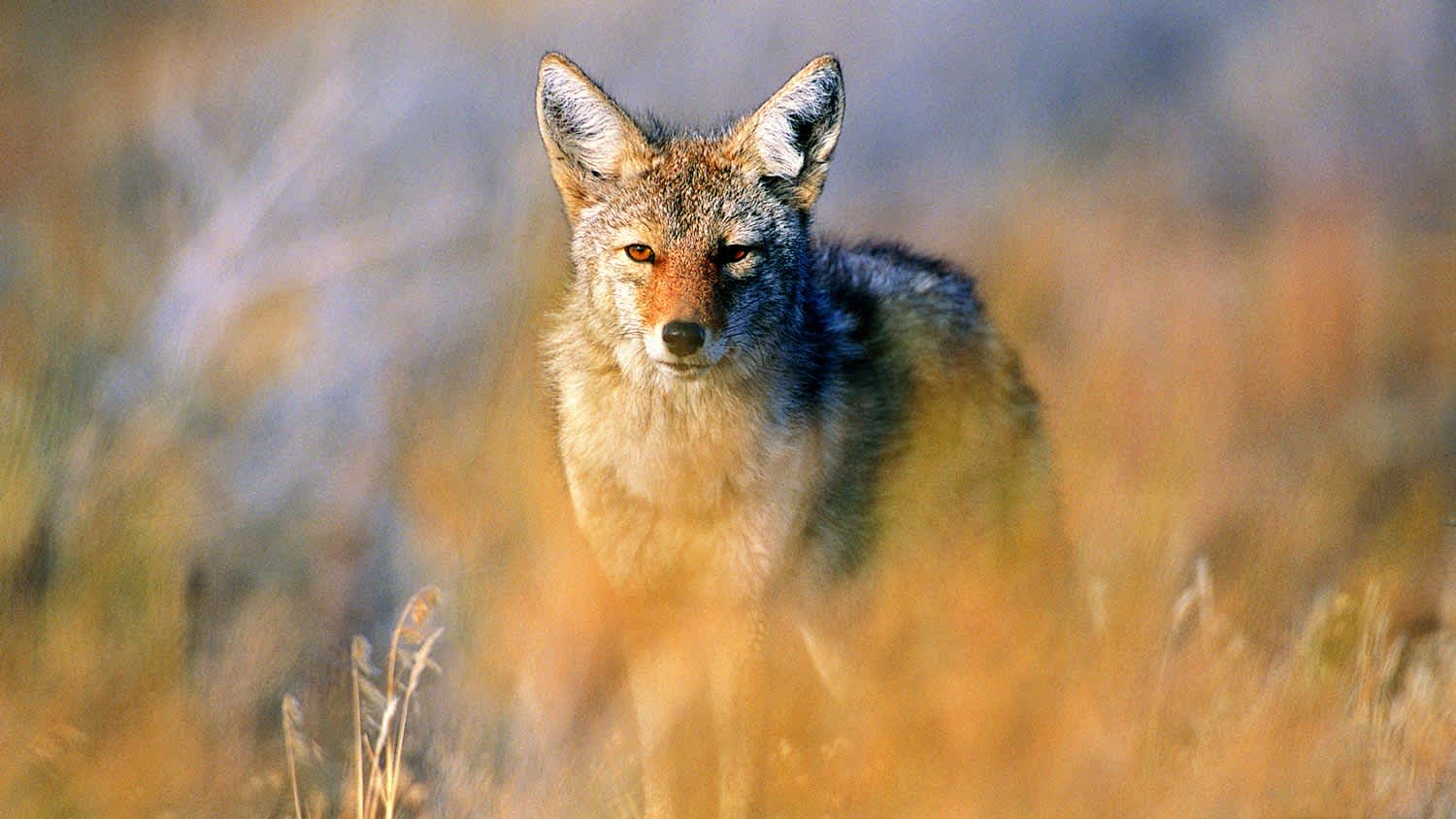
Learn how to keep coyotes away from your home. Simple strategies to help stop crafty coyotes from using your yard as a crash pad.
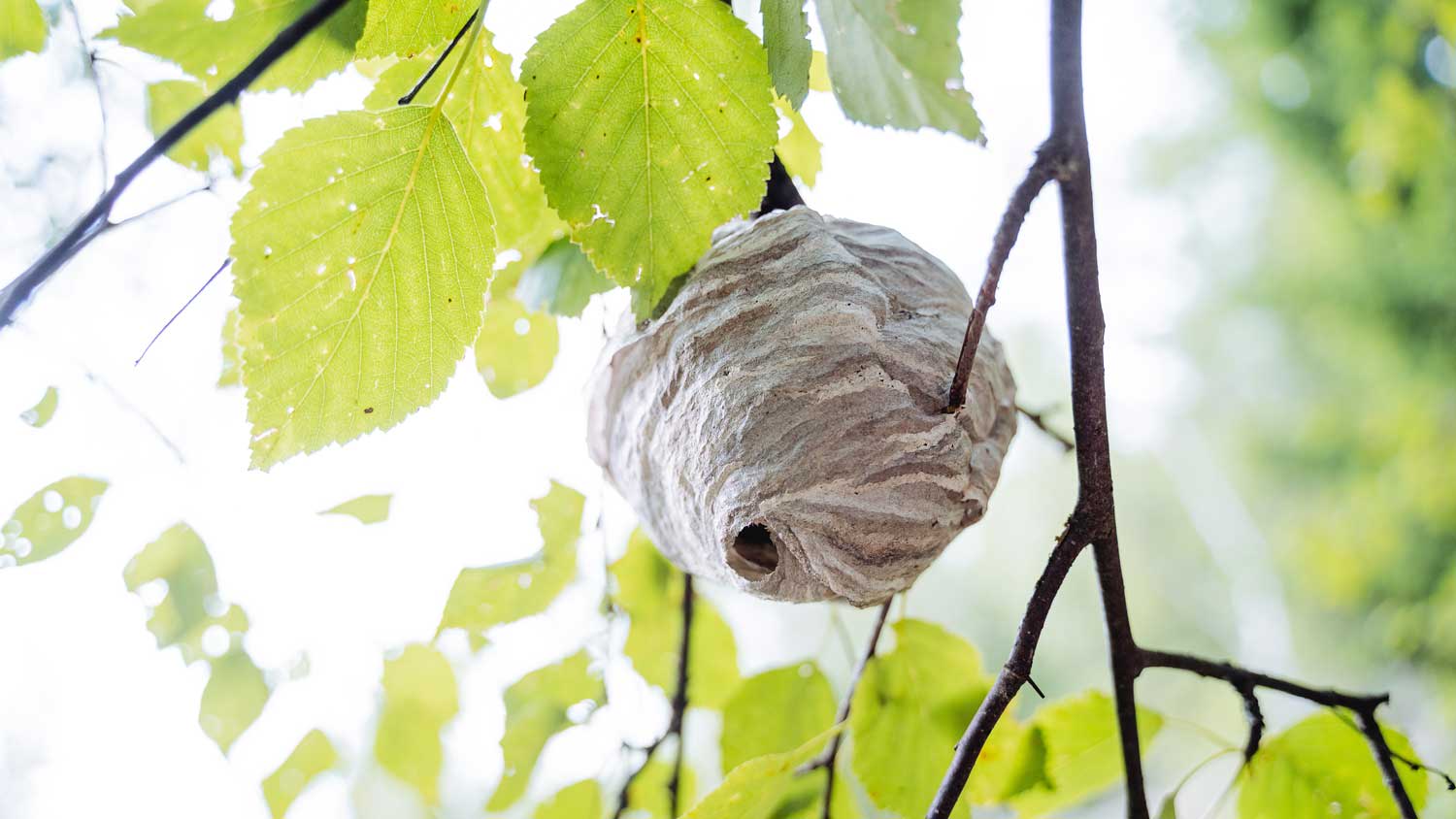
Don’t wait until hornets establish a nest on or around your home. Take these steps to keep them away from your home.
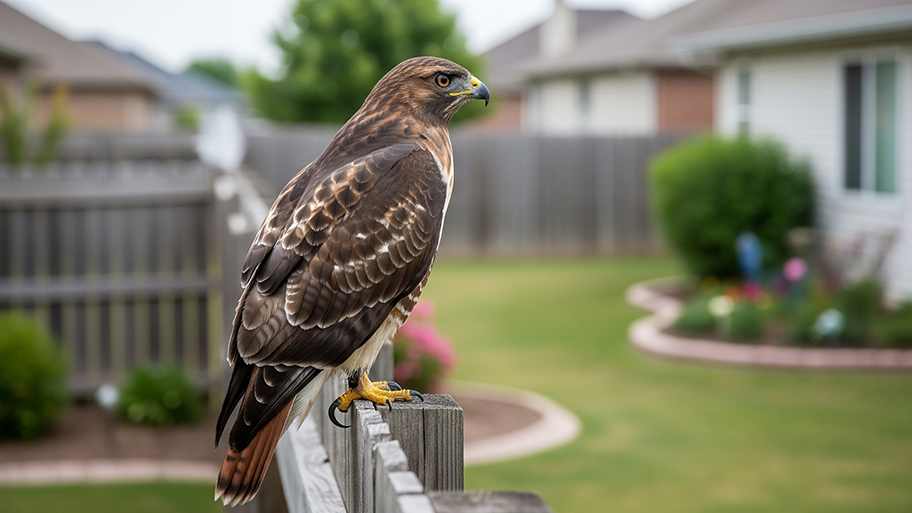
Hawks are expert overhead hunters. To protect your pets and the little birds visiting your backyard, learn how to keep hawks away with these humane strategies.
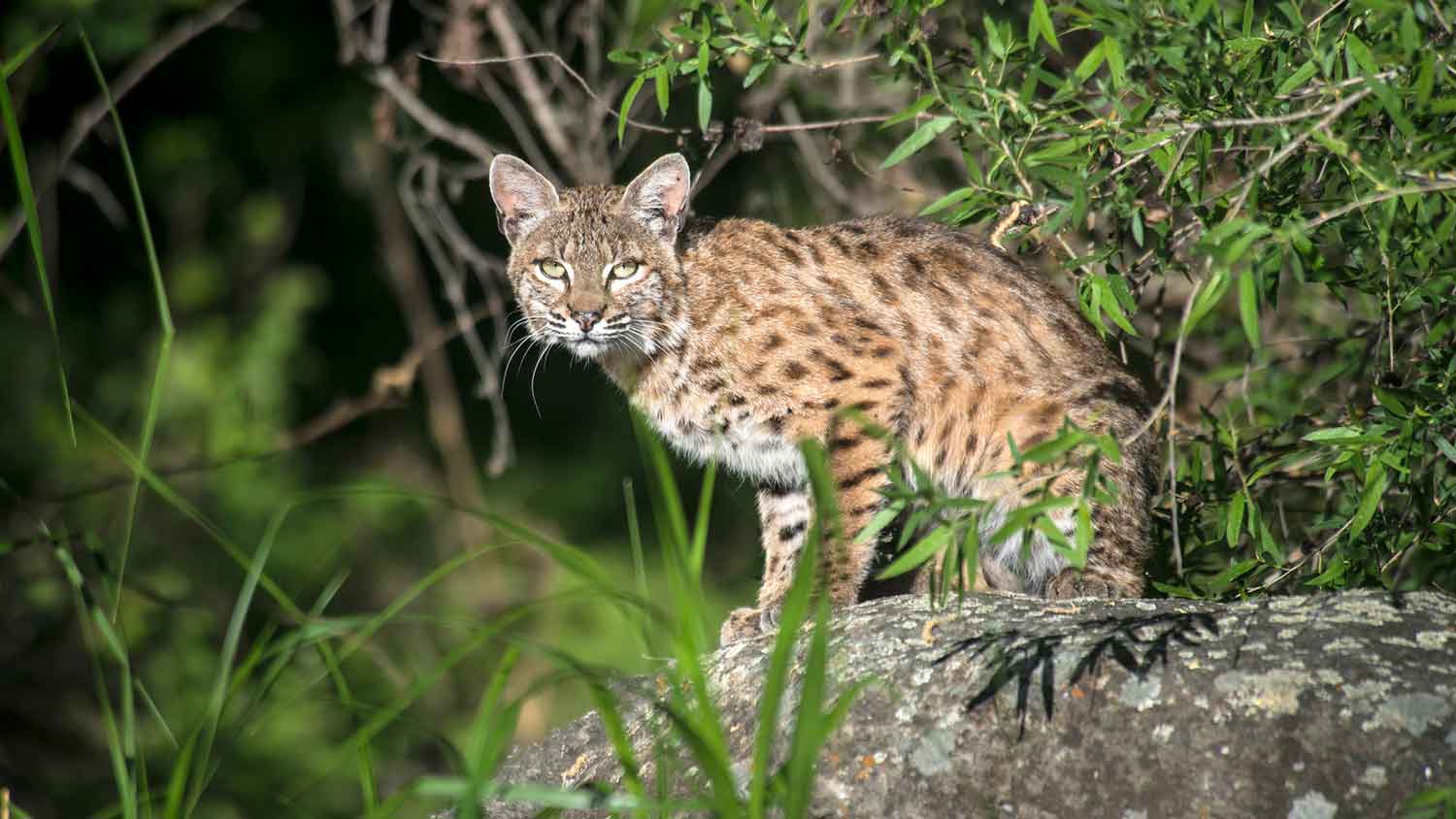
You don’t need to be a wildlife expert to know how to keep bobcats away. We’ve broken down the methods that could save your pet’s life.