"I hired Dalinghaus Construction to install two push Piers for a freestanding column/wall (bad clay soil causing movement). I meet with Kevin to go over the scope of work and he explained everything in detail. The price was the best I can find. Took one extra day to finish the work, but they did not charge me any additional fees. 3 month later, I had a feeling that the column/wall is moving again and call Kevin. He show up in a few days and show me there is no way that wall is still moving and he was right. They are very good at what they do and customer service is the best. Thank you very much."
Here at Garcias Constructors we work hard every day to meet and exceed any Excavation,Grading,Asphalt prep, Drainage/Pipe, Gravel, Pads, projects you need done. Any type of Concrete.
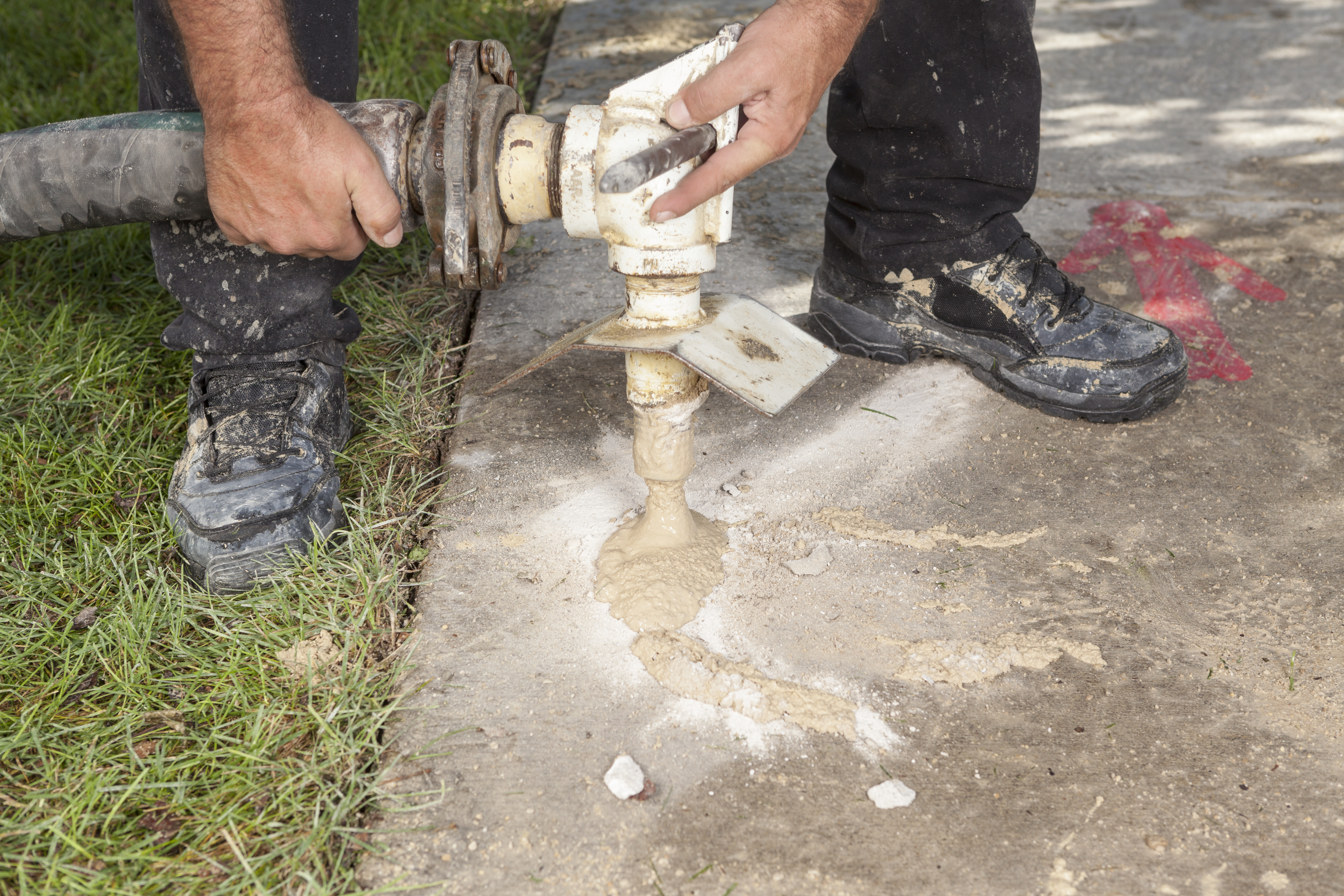
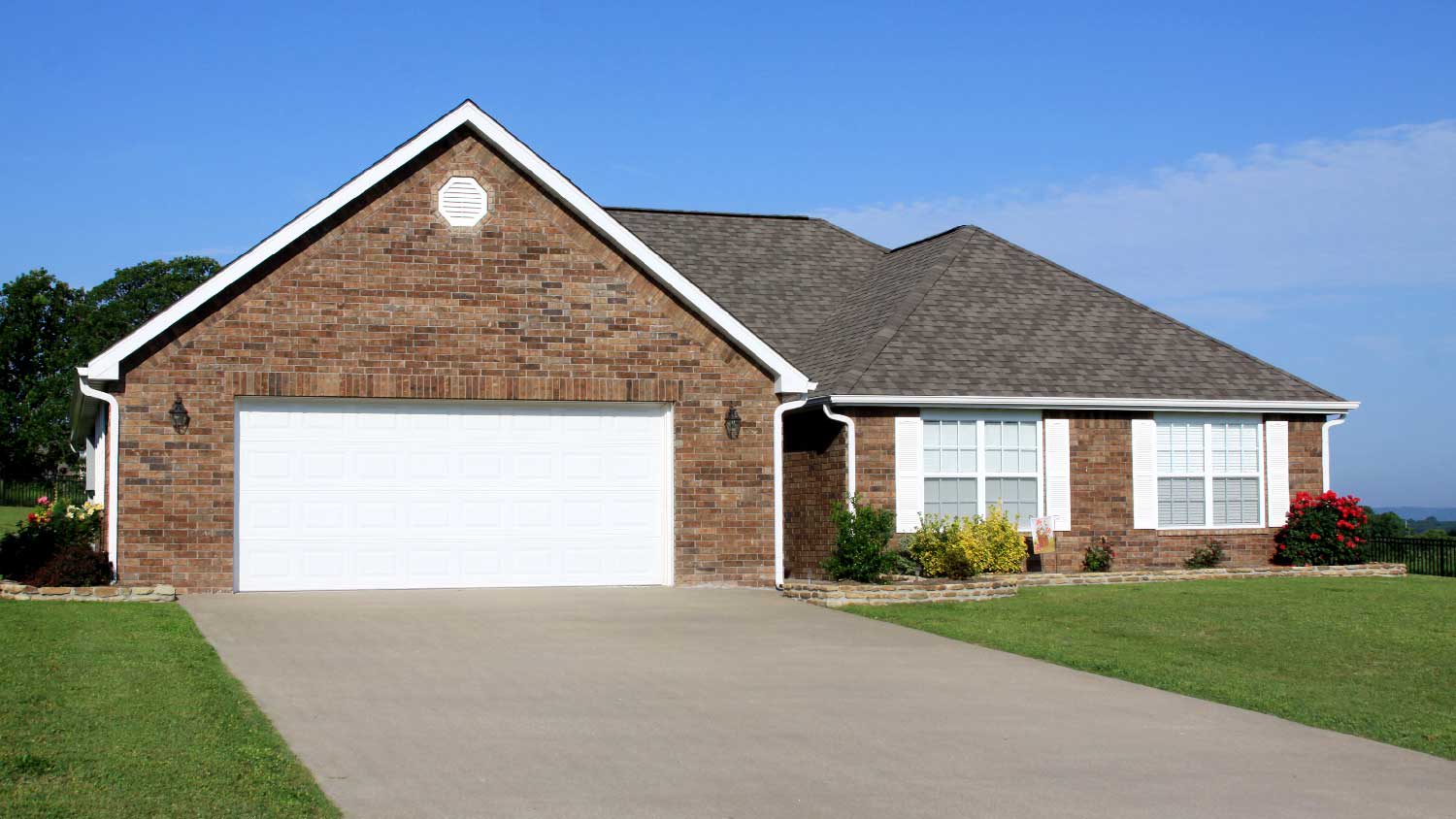
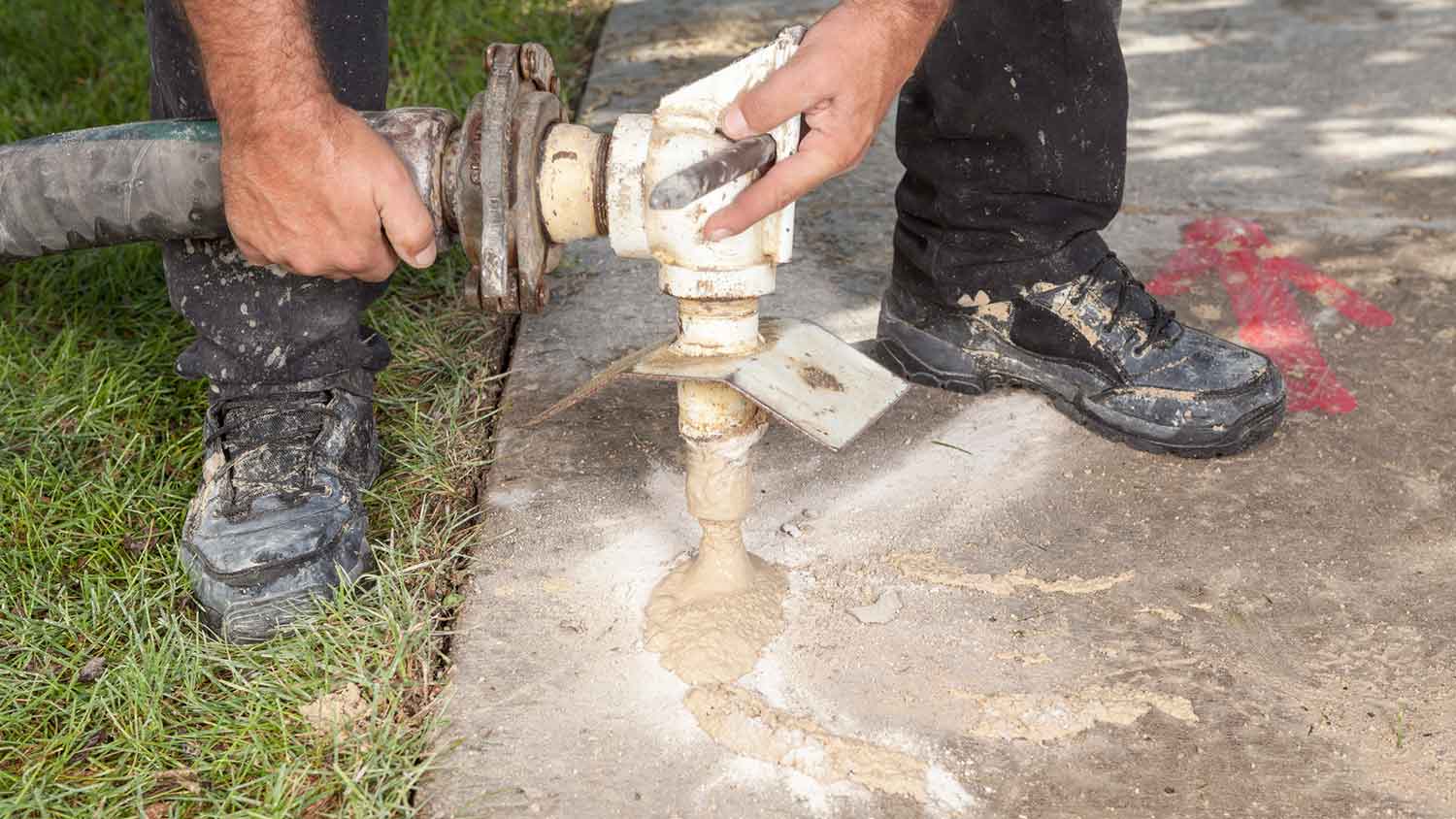
Mudjacking is usually reserved for light-duty slabs, like patios, driveways, and sidewalks. However, it can be an effective way to lift garage slabs and concrete around the perimeter of the home, which could harm your foundation if it’s not done properly. The risk of damage is why having a professional mudjacking company carry out the work is important. This type of slab or foundation repair is relatively inexpensive, especially if you consider that a DIY job requires that you pay to rent the necessary equipment.
Yes, you can mudjack cracked concrete, but the cracks will need to be repaired once the concrete has been leveled. If the concrete is severely cracked in multiple places, replacement may be a better option, but for less severe cracking, mudjacking is a good solution as long as cracks are correctly caulked and sealed.
Most states and municipalities don’t require concrete mudjacking companies to carry a specific license, but they usually need to have a general contractor’s license, and they should be fully insured. The only exception is if the mudjacking company provides foundation repairs as well, or if it offers mudjacking for home foundations. In that case, they will typically need a foundation repair contractor’s license. You can check state requirements and then use Angi’s license lookup tool to confirm that a company is properly licensed to provide mudjacking services in your area.
Concrete leveling is not typically covered by insurance. In some cases where the shifting concrete is caused by a natural disaster or storm, you may be able to file an insurance claim if your policy specifically covers those circumstances. In most cases, though, you’ll pay out-of-pocket for concrete leveling.
It restores concrete, prevents replacement cost disruptions, reduces trip hazards, and provides stability at a lower cost.
The Low Mountain, AZ homeowners’ guide to concrete leveling services
From average costs to expert advice, get all the answers you need to get your job done.
Learn about concrete leveling and how it can fix uneven surfaces, from sunken sidewalks to uneven driveways, and boost your home’s safety and curb appeal.