"Hector was very professional in providing estimates and answering question during during the survey. I would recommend him to others that might be considering similar services."
\nCommercial cleaners will take out your trash, clean the floors, sanitize the bathrooms as well as eating spaces, and will do other types of light cleaning on a regular basis.\nDaily, Weekly and Monthly Cleaning Services\nFloor Cleaning\n \nCeiling Cleaning\n \nWindow Cleaning\n \nOffice Cleaning Services\n \nWaste Removal\n \nKitchen and Restroom Cleaning\n \nSanitization Programs\n \nDaytime and Nighttime Cleaning
Trenching and boring are two distinct methods for installing underground utilities. Trenching involves digging a channel using equipment like an excavator, trencher, backhoe, or shovel. While it is a simpler process, it causes significant disruption to the surface, landscaping, and surrounding ecosystems.
Boring, also known as directional boring, is a less invasive alternative that uses a drill to create a tunnel for utility lines without disturbing the surface. This method is more precise and is ideal for installations that need to go underneath buildings, roads, or bodies of water. Although boring is less disruptive, it is generally more expensive than trenching.
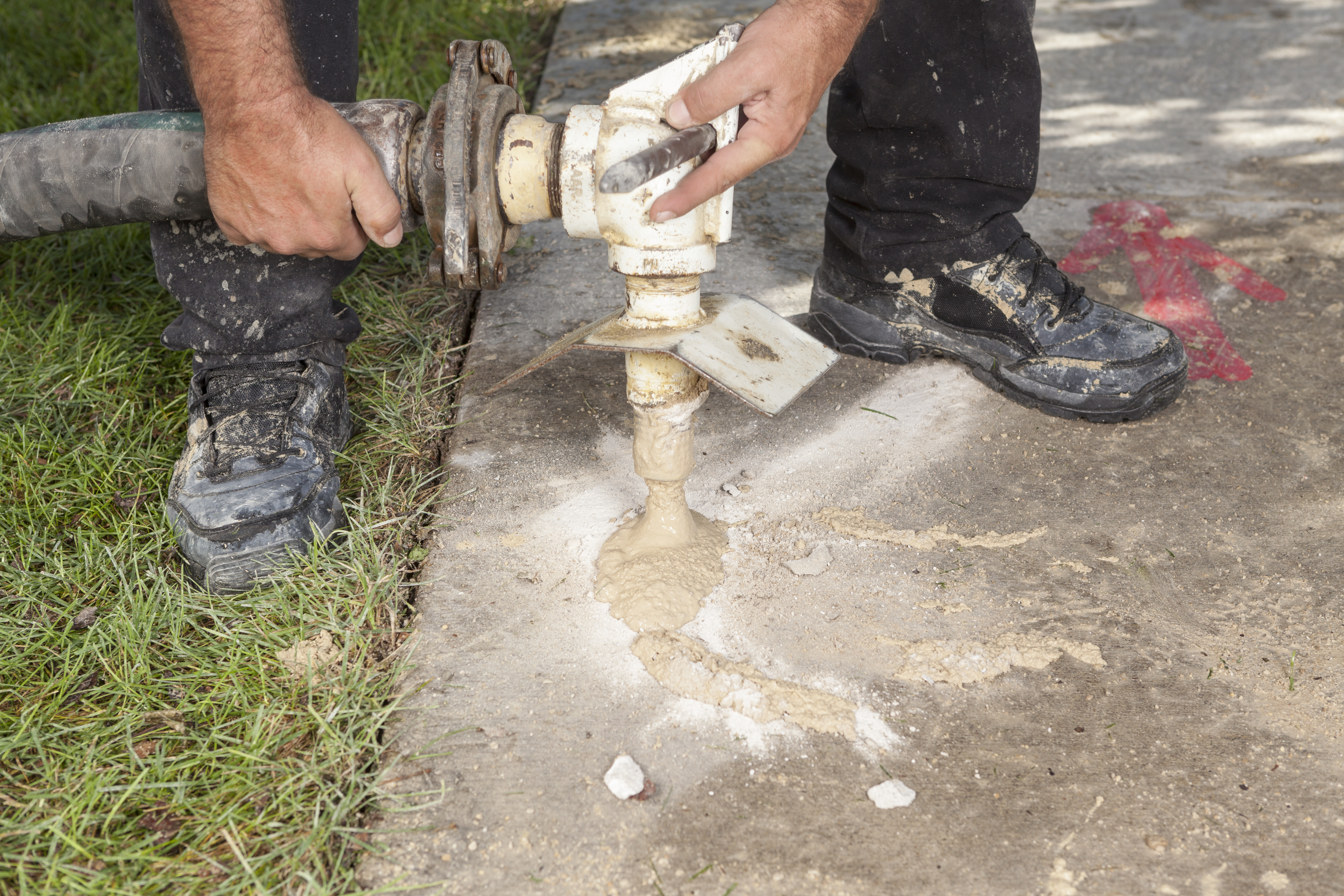
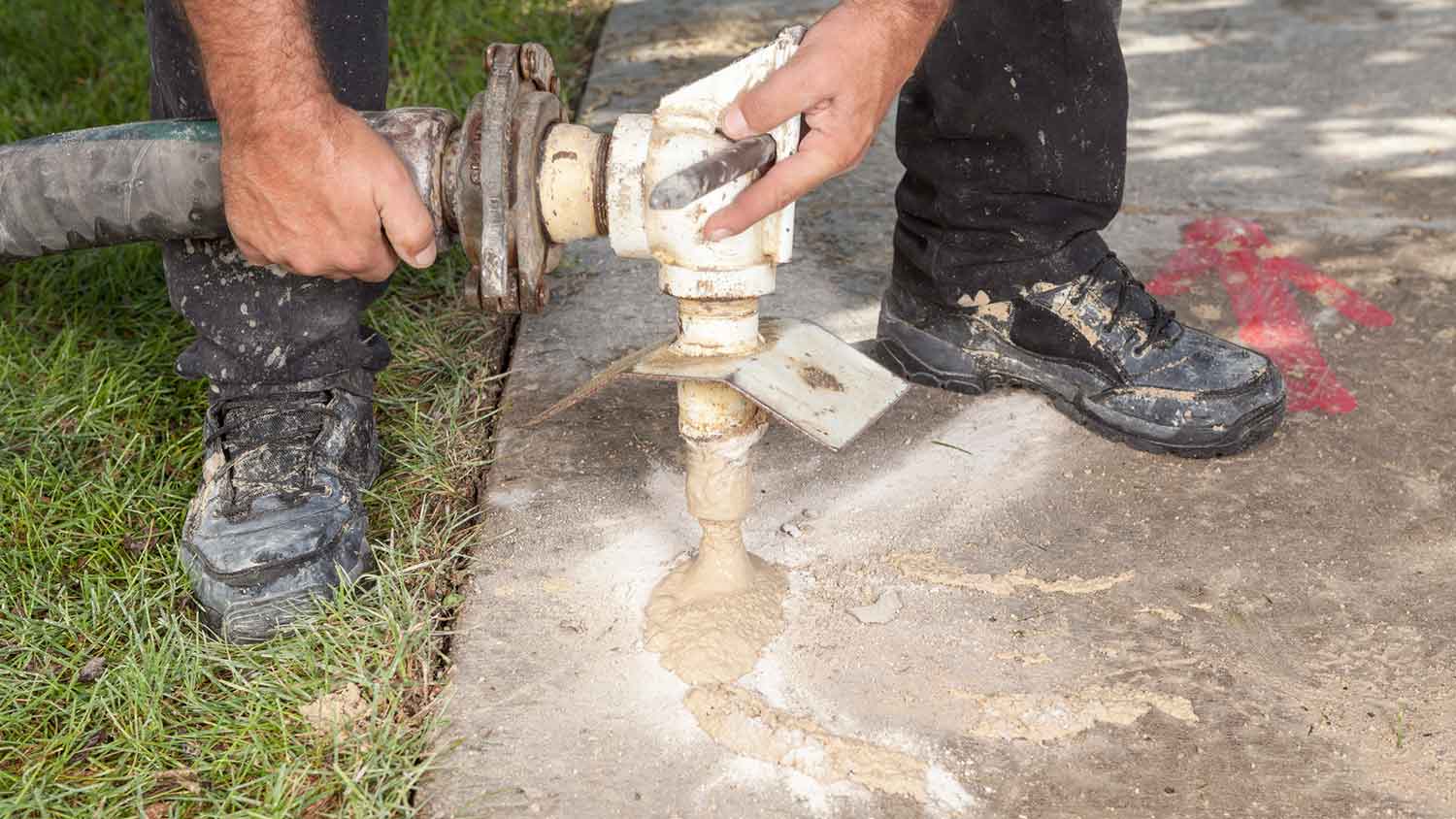
Mudjacking is suitable for sidewalks, driveways, patios, and nearly all exterior flat structures. However, it may not suit severely damaged or heavily cracked areas.
Polyjacking can be a permanent solution to sunken concrete if you also address the underlying issue—like poor drainage—at the same time. The polyurethane material itself can last as long as or even outlast the concrete you’re lifting it with. Your sunken concrete issue will likely return if you don’t couple polyjacking with proper drainage to prevent future soil movement and sinking.
Most projects take 1-3 hours, with immediate usability after completion.
Concrete leveling is not typically covered by insurance. In some cases where the shifting concrete is caused by a natural disaster or storm, you may be able to file an insurance claim if your policy specifically covers those circumstances. In most cases, though, you’ll pay out-of-pocket for concrete leveling.
The First Mesa, AZ homeowners’ guide to concrete leveling services
From average costs to expert advice, get all the answers you need to get your job done.
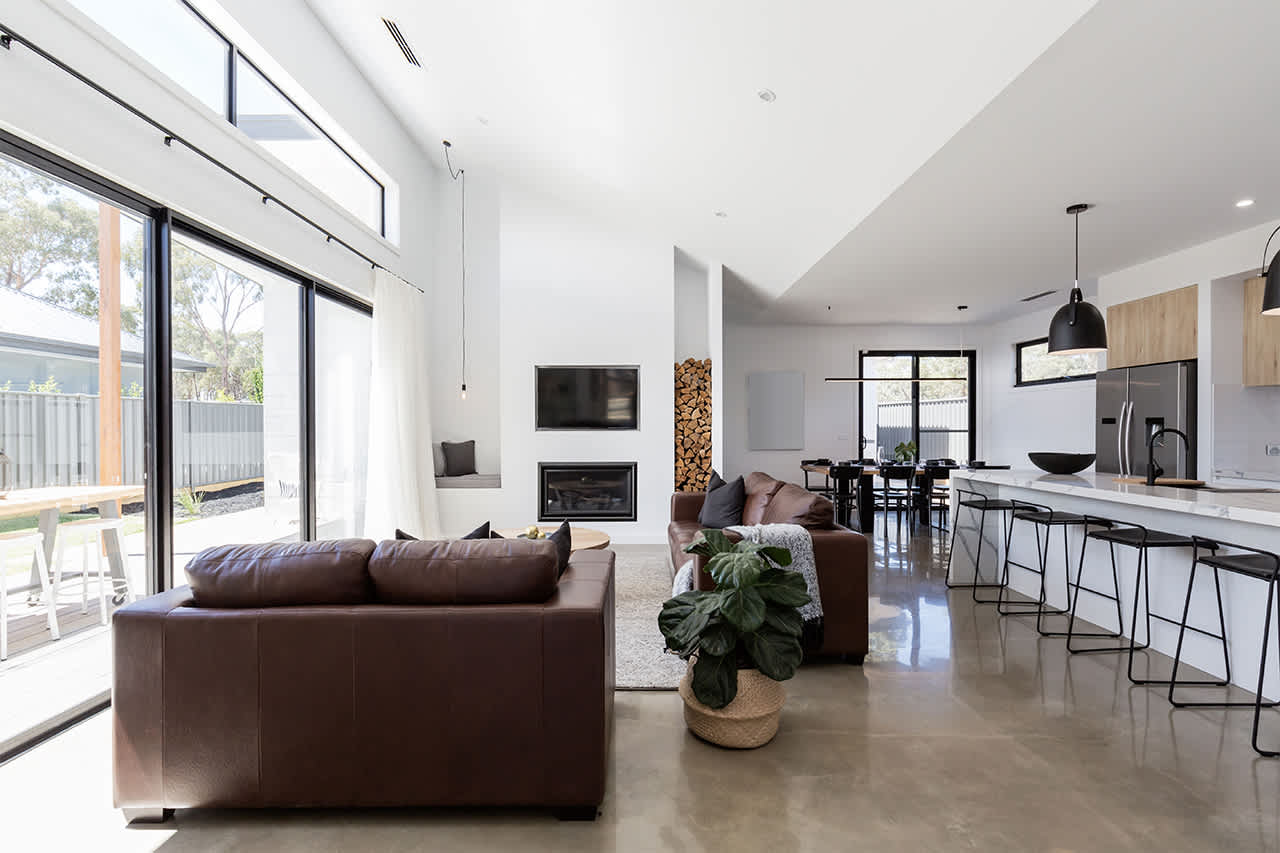
Polished concrete floor costs depend on the size of the area you’re targeting and the style of concrete floor. Our guide breaks down all the cost factors.
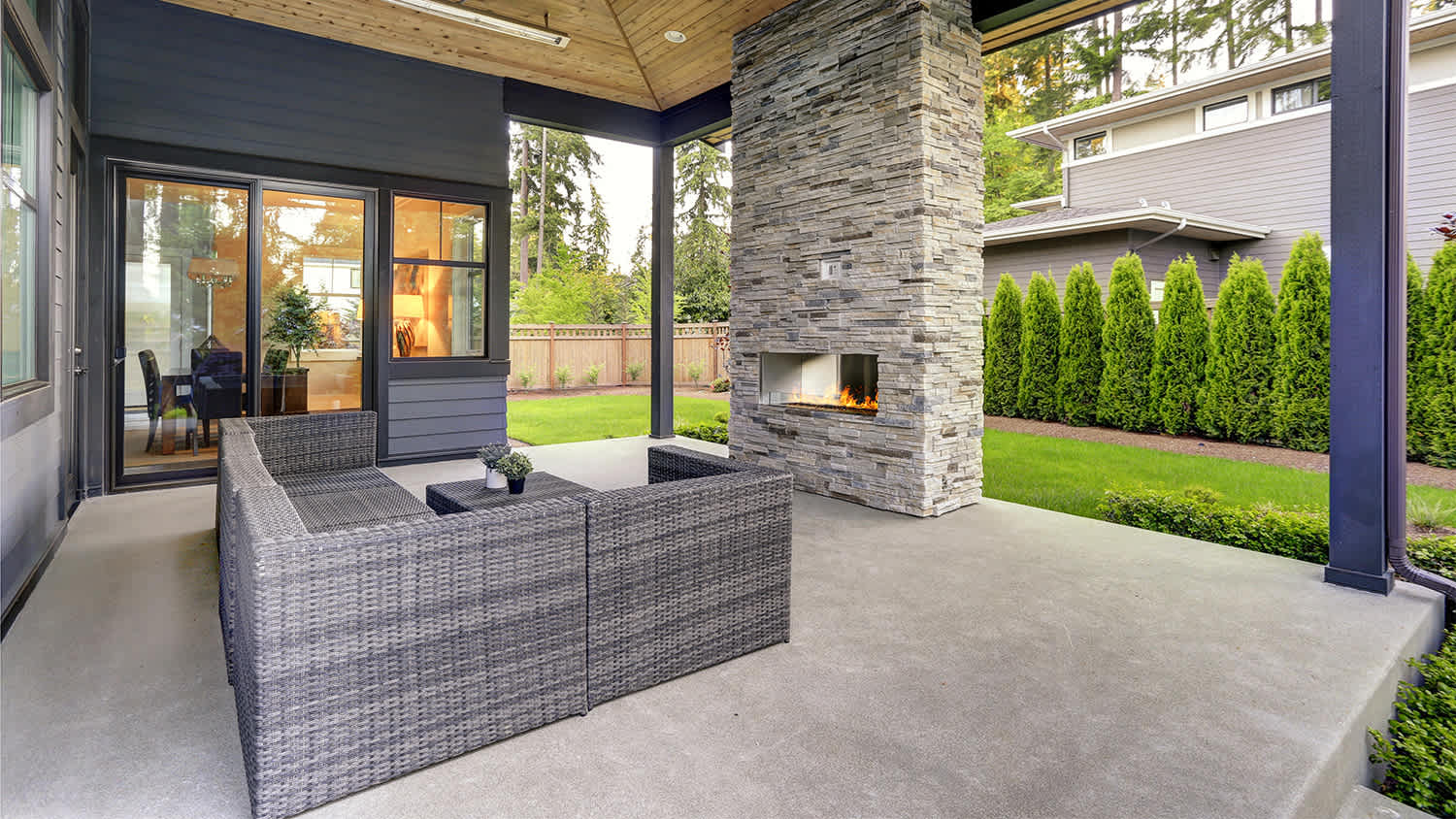
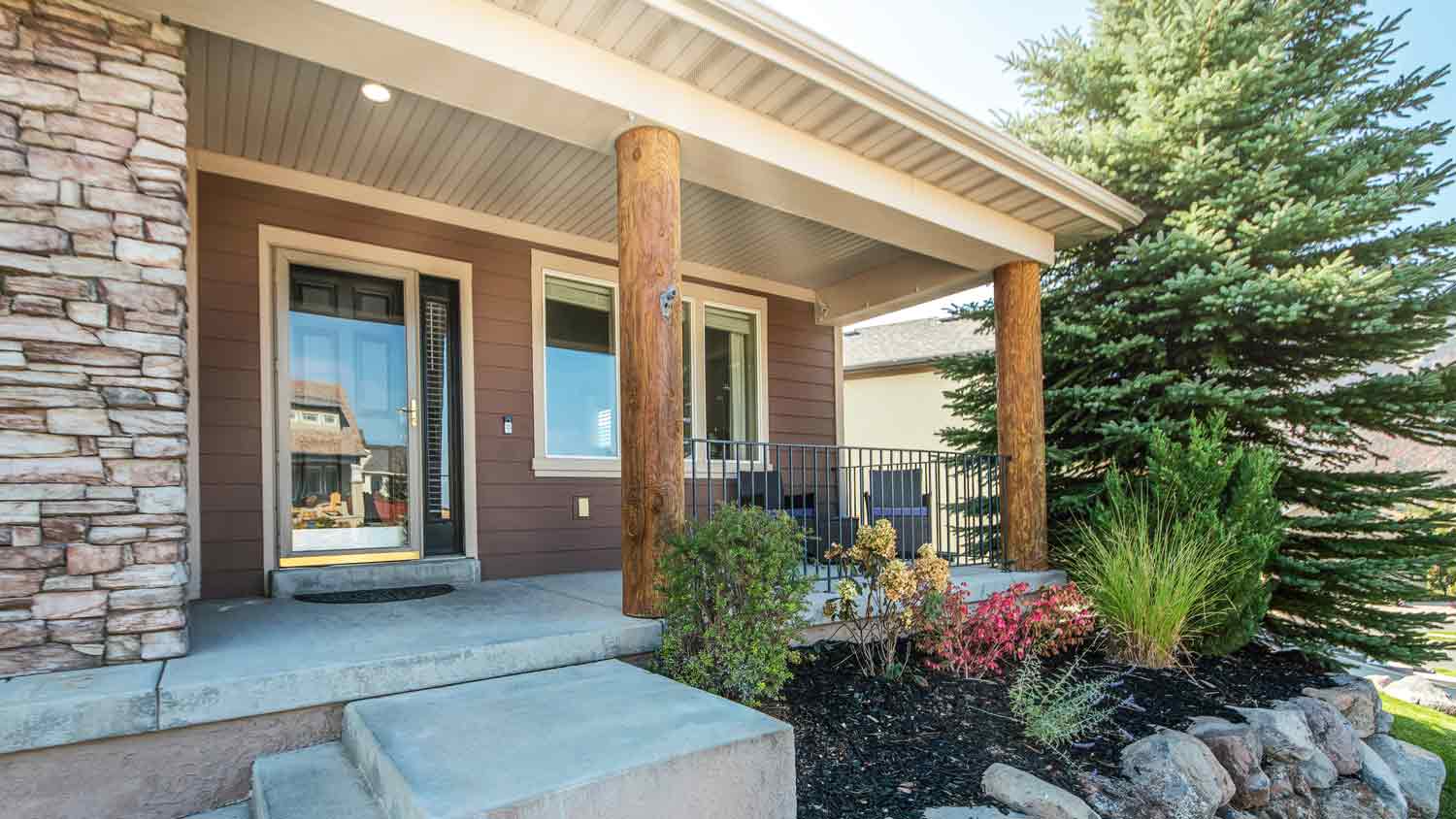
Learn about concrete leveling and how it can fix uneven surfaces, from sunken sidewalks to uneven driveways, and boost your home’s safety and curb appeal.