

Top-rated generator install pros.

Get matched with top generator install pros in Hereford, AZ

Enter your zip and get matched with up to 5 pros

Need a pro for your generator install project in Hereford, AZ?

Select your specific project to find the pro for you.

Find Generator install pros in Hereford

Worker Bee Home Services
New to Angi

Serving Hereford, AZ and surrounding areas

Approved

Servicing Southern Arizona for fifteen years, we can handle most residential concerns from remodels to TV installs at a fair rate with a workmanship guarantee! \n\nAny size job can find a place on our schedule, just reach out and we'll lend a hand. We can help you build, plumb, drywall, remodel, paint, or trim your home or install electronics, repair appliances, and get your small engines running again! \n\nWe at Worker Bee believe in integrity and fairness at all times, and our first priority is always the client's happiness and trust. We come with experience, references, and knowledge to help guide you through any task or project. \n\nCall us today, and see for yourself!
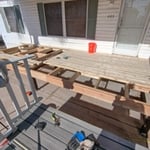
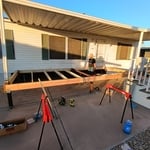
Porch Rebuild
Porch Rebuild
Porch Rebuild
Porch Rebuild
Porch Rebuild

+18

Avatar for RECO Solar and Electrical Solutions
RECO Solar and Electrical Solutions
5.0(
3
)

Serving Hereford, AZ and surrounding areas

In business since 2014

Free estimates

Warranties offered

"Jacob and team were amazing. They carried out a major electrical project and dealt with every aspect, from permits to final sign off, it was completely hassle free for us. I would highly recommend Reco."
Recommended by100%of homeowners
Generator Install questions, answered by experts

To determine the right size generator for your house, you should calculate the total wattage of the appliances and devices you want to power during an outage. List all essential items, note their start-up wattages, and add them together.

Here are some typical wattage requirements for common appliances:

  • Refrigerator: 600 watts

  • Large dehumidifier: 700 watts

  • Large window air conditioner: 1,400 watts

  • Water heater: 3,000 to 4,500 watts

  • Electric furnace: 5,000 to 25,000 watts

A 7,500-watt generator might be sufficient for essentials like a refrigerator, freezer, well pump, and lighting circuits. However, for high-demand items like a water heater or furnace, a whole-home generator is a better choice. A portable generator may be enough if you only need to power a few critical items.

While home square footage can offer a rough estimate, it is not always a reliable indicator. For reference, here are some typical generator sizes based on square footage:

  • 1,000 sq ft: 6–9 kW

  • 1,500 sq ft: 7–10 kW

  • 2,000 sq ft: 10–14 kW

  • 2,500 sq ft: 12–16 kW

  • 3,000 sq ft: 16–20 kW+

For the most accurate sizing, consult a professional who can calculate your home's peak and average power consumption and recommend the optimal generator.

While standby generators provide essential backup power, they can fail when you need them most due to lack of maintenance, fuel supply issues, dead batteries, electrical problems, or improper installation. To avoid costly failures, professional installation and regular maintenance are crucial. Licensed technicians ensure safety, uphold warranty requirements, comply with regulations, and provide expert servicing.

Generators are usually sized by running watts and starting watts. Ideally, you’ll want a generator that can offer both the necessary running watts and starting watts for everything you need to power without going beyond 90% of its capacity. Calculate your home’s electrical load based on the breakers in your home or adding up the appliance and lighting needs of connected rooms.

It is safe to run a generator continuously, but you must follow safety protocols to ensure personal and home safety. Read the manufacturer’s instructions for specific recommendations, but the general recommendation is to turn generators off overnight or when you’re away from the house. Overworked generators can pose a fire hazard and if your generator is not in a well-ventilated area, running it continuously could lead to carbon monoxide poisoning.

Whole-house generators need to be installed on level ground several feet away from walls and other objects. Because they tap into the electrical system directly, they usually need to be close to your home electrical panel for a transfer switch installation. It also helps with installation if they are near to a gas line or propane tank installation.

The Hereford, AZ homeowners’ guide to generator installs

From average costs to expert advice, get all the answers you need to get your job done.