



Top-rated generator install pros.

Best generator install pros near Cochise, AZ

Enter your zip and get matched with up to 5 pros

Need a pro for your generator install project in Cochise, AZ?

Select your specific project to find the pro for you.

Top-Rated Generator install pros in Cochise - Updated Nov 2026

Worker Bee Home Services
New to Angi
Portable Generator - Repair

Serving Cochise, AZ and surrounding areas

Approved

Servicing Southern Arizona for fifteen years, we can handle most residential concerns from remodels to TV installs at a fair rate with a workmanship guarantee! \n\nAny size job can find a place on our schedule, just reach out and we'll lend a hand. We can help you build, plumb, drywall, remodel, paint, or trim your home or install electronics, repair appliances, and get your small engines running again! \n\nWe at Worker Bee believe in integrity and fairness at all times, and our first priority is always the client's happiness and trust. We come with experience, references, and knowledge to help guide you through any task or project. \n\nCall us today, and see for yourself!
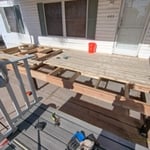
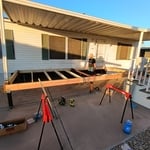
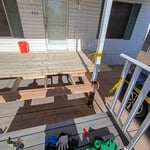
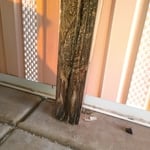
Porch Rebuild
Porch Rebuild
Porch Rebuild
Porch Rebuild
Porch Rebuild

+18

Avatar for RECO Solar and Electrical Solutions
RECO Solar and Electrical Solutions
5.0(
3
)
Fixed Generator - InstallFixed Generator - RepairGenerator - Install+4 more

Serving Cochise, AZ and surrounding areas

In business since 2014

Free estimates

Warranties offered

"Jacob and team were amazing. They carried out a major electrical project and dealt with every aspect, from permits to final sign off, it was completely hassle free for us. I would highly recommend Reco."
Response time3 days
Response rate100%
Recommended by100%of homeowners
Bronc fix
0.5(
1
)
Portable Generator - Repair

Serving Cochise, AZ and surrounding areas

In business since 2010

Free estimates

Offers commercial services

Professional, the best at what we do. Honest and fair pricing. We take pride in what we do and make sure that when we do a job we get it done right the first time. We make sure that when you hire us to do a job you're getting the best quality work, at the best rate. We look forward to working with you and building a long lasting relationship! \ndetailed, love what I do, trustworthy, pride in work. Honest

Response time10 mins
Generator Install FAQs, answered by experts

As a safety measure, you should always turn off the main breaker while operating your generator’s backup breaker. In addition, you should also switch off all appliance breakers so you don't have a power surge when the main breaker turns back on. And finally, turning off the main breaker prevents back-feeding, which endangers utility workers with the risk of electrocution. Back-feeding could also destroy the electrical circuits of your neighbors if they use the same power network.

In most cases, there are no tax credits available for home generators. However, that’s a general statement that applies to federal tax credits, so you might have access to state or local tax incentives. You can check the Database of State Incentives for Renewables & Efficiency (DSIRE) for more information about your area. If you hire a reliable home generator installer, they should also know if there are any state or local perks you can use to reduce your installation costs, including tax breaks and rebates.

To determine the right size generator for your house, you should calculate the total wattage of the appliances and devices you want to power during an outage. List all essential items, note their start-up wattages, and add them together.

Here are some typical wattage requirements for common appliances:

  • Refrigerator: 600 watts

  • Large dehumidifier: 700 watts

  • Large window air conditioner: 1,400 watts

  • Water heater: 3,000 to 4,500 watts

  • Electric furnace: 5,000 to 25,000 watts

A 7,500-watt generator might be sufficient for essentials like a refrigerator, freezer, well pump, and lighting circuits. However, for high-demand items like a water heater or furnace, a whole-home generator is a better choice. A portable generator may be enough if you only need to power a few critical items.

While home square footage can offer a rough estimate, it is not always a reliable indicator. For reference, here are some typical generator sizes based on square footage:

  • 1,000 sq ft: 6–9 kW

  • 1,500 sq ft: 7–10 kW

  • 2,000 sq ft: 10–14 kW

  • 2,500 sq ft: 12–16 kW

  • 3,000 sq ft: 16–20 kW+

For the most accurate sizing, consult a professional who can calculate your home's peak and average power consumption and recommend the optimal generator.

Yes, in some locations, it is required by the National Electric Code (NEC) to have a transfer switch installed for electrical emergencies. In addition to following electrical code, generator transfer switches ensure your home is fully protected during a power outage. By switching the power from the main breaker to the generator breaker, you can seamlessly operate your HVAC, lights, appliances, devices, and more during an emergency. 

If your home already has a grinder pump and you’re still noticing issues (like frequently clogged toilets and sinks), it could be time to upgrade your grinder pump. Start by checking your existing horsepower. If there are four or fewer people living in your home, using a 1/2-horsepower grinder pump should be sufficient. Larger households should consider investing in a 1-horsepower grinder pump to maximize wastewater removal efforts.

The Cochise, AZ homeowners’ guide to generator installs

From average costs to expert advice, get all the answers you need to get your job done.