


Get matched with top structural engineers in Fort Mohave, AZ
Top-rated structural engineers.

Need a pro for your structural engineering project in Fort Mohave, AZ?

Select your specific project to find the pro for you.
Structural Engineering questions, answered by experts

Dormers must be able to bear the load of their own construction and the added window. The style of the dormer, however, will determine where the weight loads onto your home's structure. A gable dormer bears the weight on the side walls whereas a shed dormer bears it on the front walls.

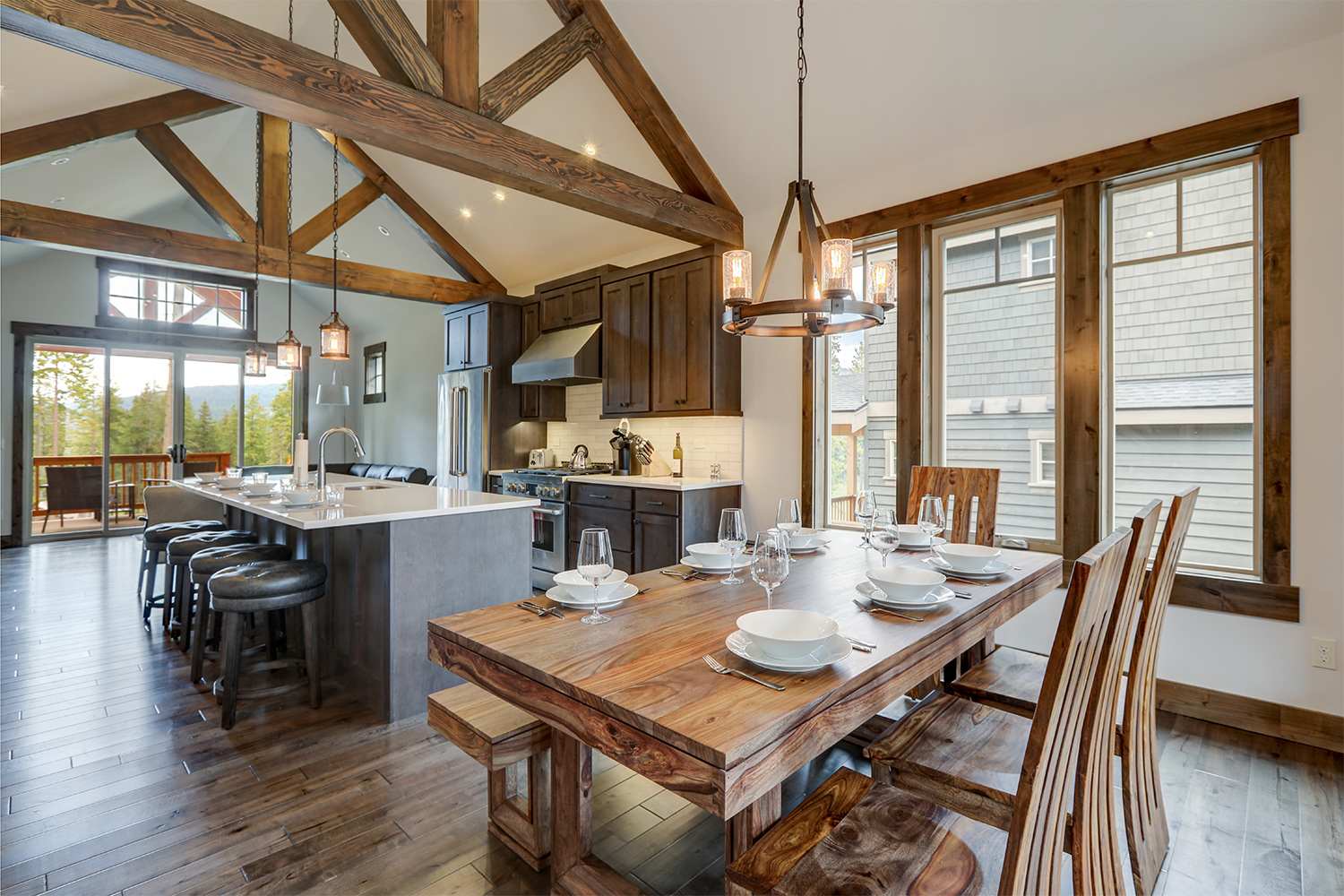
Cathedral ceilings make a statement in your home, but at the cost of your attic space. Normal attics are wide open, which allows warm air to move around and exit your home. Because of this, cathedral ceilings make your home less energy efficient and put your ceiling at risk of venting issues if you’re not careful. They also reduce your attic storage space, potentially cause an echo, and even make it harder to change a light bulb.

Water can seep into porous materials like wood beams, floor joists, and roof rafters within minutes, but they’ll need to see prolonged exposure before you have structural damage. Mold can start growing within 24 hours, and mold can eat away at the structural components over time. Wood rot is more of a concern, though. Wet and dry rot are fungal infections that set in in moist conditions and rapidly deteriorate wood, causing major structural damage within just a few months in some cases.

The 10 10 rule describes the formula most contractors use to determine how much to charge for a job. Allowing for 10% overhead above the total projected cost to do the work and 10% profit sets a contractor up for success, even if there are delays or other problems on the project. This formula isn’t a hard-and-fast rule, but it is a ballpark figure to begin with when estimating your expenses on a job.

The easiest way to tell if a wall is load bearing is to check if it’s an exterior wall or if it runs perpendicular to the joists above and below it (or parallel to beams). Exterior walls are almost always load-bearing, and walls that run under beams or parallel to them are also usually load-bearing. There are exceptions to these rules, and walls that don’t fit into these categories can still be load-bearing. If you’re unsure, hire a structural engineer to look at your home to assess whether or not the wall is structural.